




Penn. Governor Signs New Transportation Funding Law Changing Fuel Taxes
Pennsylvania Gov. Tom Corbett on Monday signed comprehensive transportation legislation that some say will dramatically hike fuel prices in the state because of a new tax formula.

Pennsylvania Gov. Tom Corbett on Monday signed comprehensive transportation legislation that some say will dramatically hike fuel prices in the state because of a new tax formula.

The new law invests $2.3 to $2.4 billion into the state's roads and bridges by the fifth year of the plan.
"This is an investment in the safety of our citizens and the progress of our economy. It will create more jobs and keep Pennsylvanians moving across safe, world-class highways and bridges," Corbett said.
By the fifth year of the plan, the transportation package will invest an additional:
$1.3 billion annually for state roads and bridges;
$480 million to $495 million annually for public transportation;
$237 million annually for local roads and bridges;
$144 million annually in a multi-modal fund;
$30 million annually for dirt, gravel and low-volume roadways; and
$86 million annually for Pennsylvania Turnpike expansion projects.
Partial funding for the new transportation package is being derived from the elimination of the flat 12-cent fuel tax and uncapping of the wholesale, oil company franchise tax.
Critics claim this will result in the state’s 39.2-cent-per-gallon diesel tax and 32.3-cent-per-gallon gasoline tax increasing to as much as near 66 cents per gallon for diesel and around 48 cents for gasoline in five-years. Supporters claim this isn’t true because it is impossible to predict the price of gasoline and diesel half a decade from now.
Pennsylvania law states that revenues from fuel taxes must be directed to highway and bridge-related costs and state police patrol functions and not used for any other purpose. Many road and bridge projects are slated to start next spring..
More Fleet Management

American Trucking Associations Looks for a New Leader
ATA President and CEO Chris Spear abruptly left his job at the association on August 21, at a pivotal time for the trucking industry.
Read More →
Public Wi-Fi Cybersecurity Risks: How Truck Drivers and Fleets Can Protect Their Data
Public Wi-Fi can expose truck drivers and fleets to credential theft, malware, and other cyber threats. Here’s how to reduce the risk on the road.
Read More →
For Nicky Cupp, Fleet Innovation Starts With Frustration
HDT Truck Fleet Innovator Nicky Cupp turns everyday pain points at Fraley & Schilling into opportunities for better technology and smarter processes.
Read More →
Adam Buttgenbach’s Approach to Electric Trucks: Start With Where They Fit
HDT Truck Fleet Innovator Adam Buttgenbach helped PepsiCo build one of North America’s largest EV fleets by focusing on where electric trucks make operational sense.
Read More →
Deen Albert: Let Automation Do the Math, People Make the Decisions
HDT Truck Fleet Innovator Deen Albert makes sure people are still at the heart of operations at Grand Island Express, even while adopting artificial intelligence tools. AI-assisted dispatch helped boost revenue 25% with the same number of trucks.
Read More →
Trimble’s New AI Agent Takes Aim at Fleet Back-Office Busywork
Arc Agent works across Trimble TMS products to automate repetitive tasks such as freight orders, maintenance, invoices, fuel costs and more.
Read More →
How HDT’s 2026 Truck Fleet Innovators Are Rethinking Fleet Operations
Meet five trucking leaders who are challenging assumptions, solving operational problems, and putting innovative ideas to work.
Read More →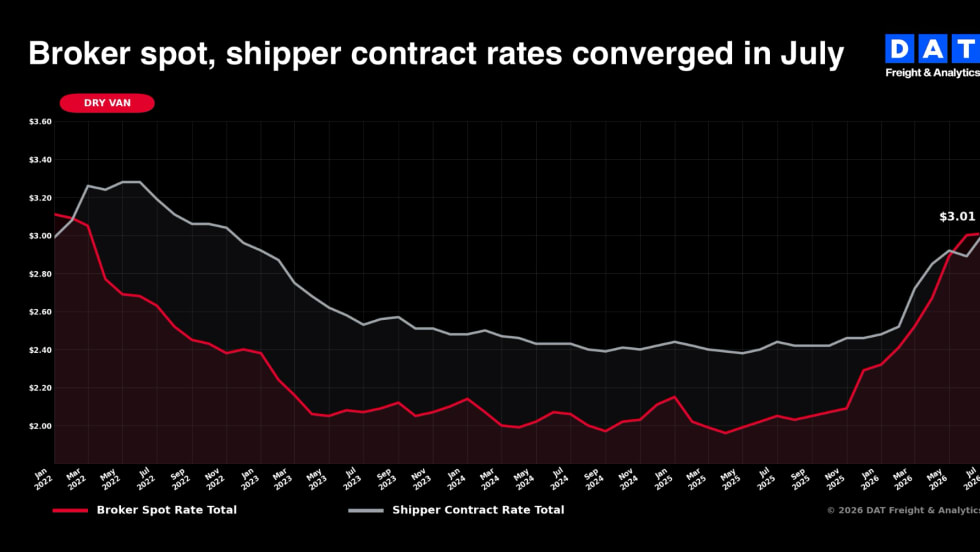
Tight Trucking Capacity Pushes Rates Higher Even as Freight Volumes Fall
“Spot rates moving ahead of contract rates have historically signaled a tightening market, but we haven’t seen a capacity-driven market quite like this one,” said DAT's Dean Croke.
Read More →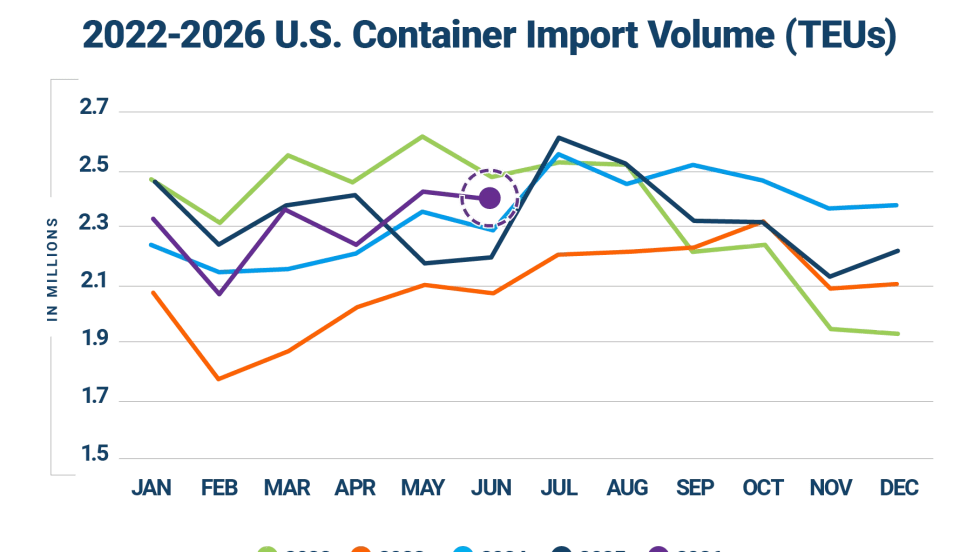
Import Cargo’s Early Peak Season is Winding Down
There was an early start to peak season this year at the nation's gateway ports, as retailers brought in merchandise ahead of tariff changes in late July and responded to other supply chain uncertainties,
Read More →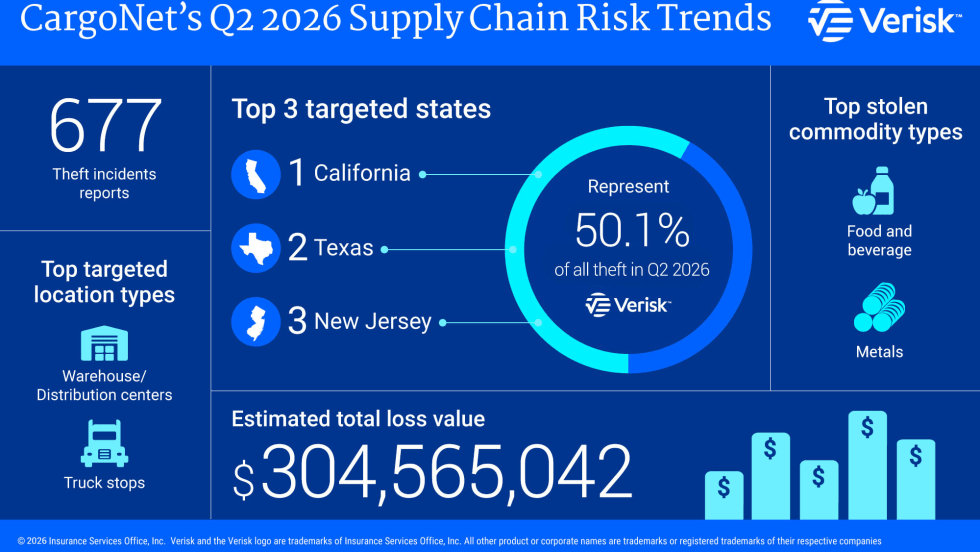
Fewer Cargo Thefts, Bigger Losses: Criminals Target Higher-Value Loads
CargoNet says organized theft rings are stealing fewer shipments but choosing more valuable freight, including metals and technology, resulting in record losses.
Read More →