




OSHA Revises Ergonomics Proposal
The Occupational Safety and Health Administration has reportedly revised its controversial ergonomics proposal
The Occupational Safety and Health Administration has reportedly revised its controversial ergonomics proposal.
According to the Wall Street Journal, copies of the draft were sent anonymously to a unnamed trade newsletter and to a Washington attorney who represents UPS.
The standard, proposed in late 1999, would require employers to develop programs aimed at preventing and treating musculoskeletal disorders, commonly associated with repetitive motion. It would apply to manufacturing and manual handling operations which likely would include mechanics, dock workers and drivers. OSHA estimates the cost for all covered businesses at $4.23 billion and about $200 million for trucking. The American Trucking Associations has said the figure for trucking is probably closer to $6.5 billion.
The agency held hearings throughout the country last summer, and the new draft is clearly an attempt to address some of the protests voiced by business and industry. For instance, the original proposal requires employers to provide full benefits and slightly reduced pay to covered workers for up to six months. The agency has supposedly reduced that to 90 days.
Employers also complained that the proposal was too vague, so OSHA has added a set of detailed specifications employers would use to determine if their workers are performing hazardous tasks. For instance, kneeling or squatting for more than two hours a day would be considered hazardous. So would lifting more than 75 pounds once a day.
At-risk employees would have free access to health care professionals. Under the revised proposal, employers could seek second and third opinions but would have to follow the treatment prescribed, including time off or a reduced workload.
Republicans in Congress have generally sided with business groups in efforts to block the proposal. A provision in the Labor Department’s budget, which includes OSHA, would have delayed a final rule until October 2001, but President Clinton threatened to veto the bill unless the provision was removed. Congress put off further action on the Labor budget until after the election.
More Drivers

Competition Heating Up for Truck Drivers
New report reveals rising driver hiring costs, the return of sign-on bonuses, growing AI advantages, and the operational factors shaping driver retention.
Read More →
How Fraley & Schilling Improved Logbook Compliance by Over 50%
Fraley & Schilling needed a way to close a compliance workflow gap in its ELD system without adding more work from driver training, reminders, and back-office follow-ups. It found the answer in a custom driver app.
Read More →
Volvo Goes Gaming
Volvo has roared into American Truck Simulator with two new flagship trucks.
Read More →
What the Best Fleets to Drive For Teach About Driver Retention
Survey fatigue, AI-powered routing, owner-operator expectations, and the decline of social media all emerged as themes from this year's Best Fleets to Drive For program.
Read More →
Driver Retention Lessons From the Best Fleets to Drive For
What separates trucking's best workplaces from the rest? Jane Jazrawy shares the biggest lessons from this year's Best Fleets to Drive For program on driver retention, communication, AI, and workforce trends on the HDT Talks Trucking podcast.
Read More →
Farewell, CDL: Why I'm Giving Up My Commercial Driver's License
After more than 20 years as a CDL holder, HDT Executive Editor Jack Roberts is letting his commercial license expire. Not because he wants to — but because trucking's nuclear verdict crisis has made the risks of public-road test drives too great for editors, manufacturers, and everyone involved.
Read More →
How Top Trucking Fleets Improve Driver Retention [Video]
What do healthy snacks, optimized routing, and just picking up the phone have in common? They're all strategies the Best Fleets to Drive For are using to retain truck drivers.
Read More →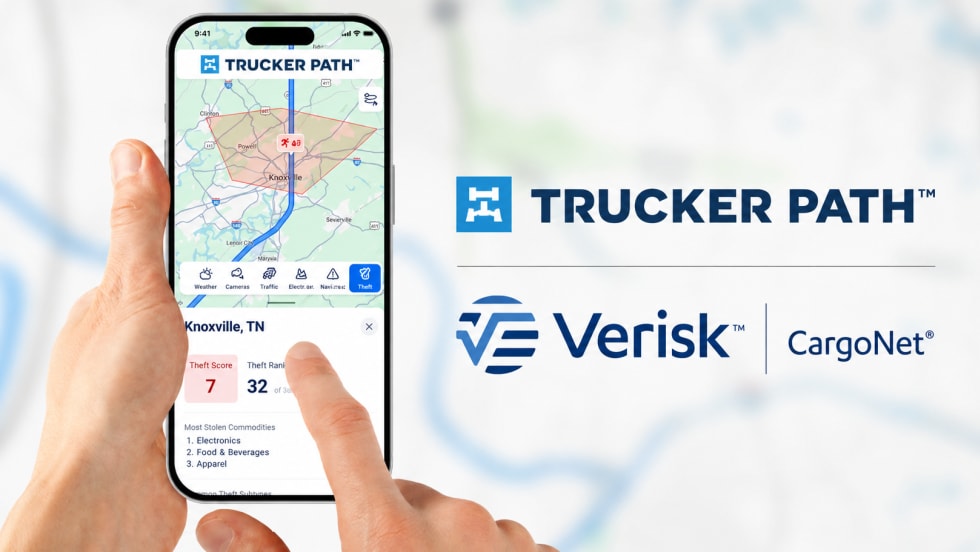
Trucker Path Adds Verisk CargoNet Theft Data to Navigation Platform
Trucker Path’s new cargo theft risk overlays give drivers and fleets visibility into high-risk areas, stolen commodity trends, and theft hotspots.
Read More →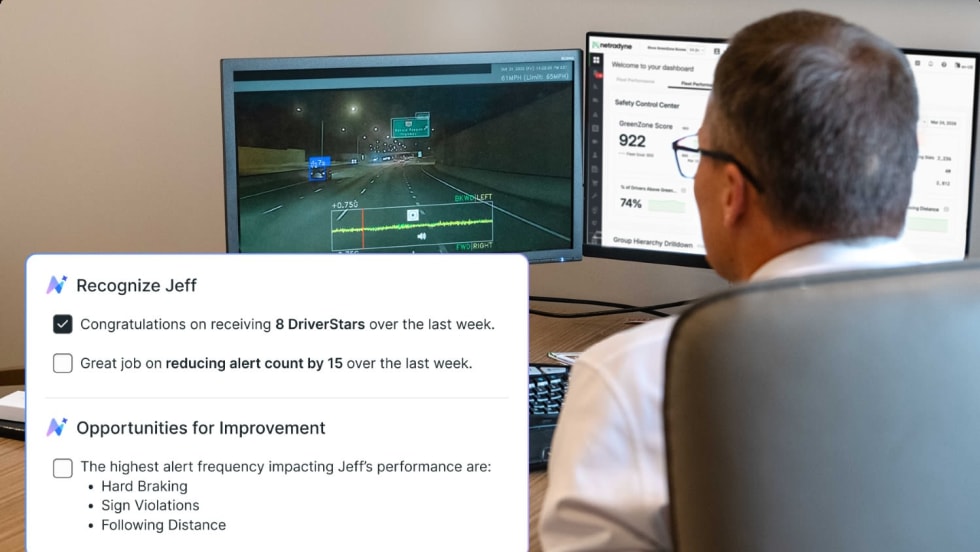
Netradyne Intelligence Uses New AI Agents to Automate Response to In-Cab Camera Data
The company called the next-generation in-cab camera safety platform "a fundamental shift from systems that report on what happened to systems that actively drive what should happen next."
Read More →
Why Truck Detention Keeps Costing Fleets Time and Money
A 2024 ATRI study found detention affects nearly 40% of truckload stops and costs the industry more than $15 billion annually. Despite the toll on drivers, fleets, and supply chains, the problem remains stubbornly persistent.
Read More →