




Oregon Brake Bill Fades Away
An Oregon bill that would have required the elimination of copper in motor vehicle brakes won't go any further this session
An Oregon bill that would have required the elimination of copper in motor vehicle brakes won't go any further this session.
Oregon Senate Bill 945 failed to meet the May 24 deadline to be heard in the Oregon House and will not be considered further during this legislative session.
Tthe Motor & Equipment Manufacturers Association and its affiliate groups, including the Heavy Duty Manufacturers Association and the HDMA Heavy Duty Brake Manufacturers Council, had opposed the measure, saying the industry will be implementing reductions in copper content following the passage of similar bills in Washington State and California in 2010.
"The brake industry has agreed to massive changes in formulations and content to meet the concerns of states and the environmental community," said Steve Handschuh, AASA's president and chief operating officer. "The Oregon legislation would have created redundant paperwork requirements at a time when the industry must focus all of its efforts toward reducing copper content while providing the motoring public with safe and reliable brakes."
"Brake suppliers in the U.S. commercial vehicle industry are pleased with the outcome of this issue in Oregon and further movement toward a recognized and accepted set of standards and goals for friction materials in light and HD vehicle brakes," said Tim Kraus, HDMA's president and chief operating officer. "Work can move forward with formulations of new, copper-free brake materials and on the process of testing and validation of the new products required for both commercial vehicle safety and recently enacted laws in other states."
In March 2010, Washington became the first state to pass legislation in an effort to protect its waterways from the runoff of toxic copper brake dust. California's bill became law in September 2010. Similar legislation is underway in Rhode Island and New York. The bills have been prompted by concerns that the the copper in brake dust that comes off of brake linings as they are used washes into the water system and can harm aquatic life.
The California law mandates that brakes contain no more than five percent copper beginning in 2021. By 2025, the limit will be reduced to 0.5 percent. Washington's law is similar, with a five percent limit by 2021, and the establishment of an advisory committee to assess the feasibility of lowering the limit to 0.5 percent in subsequent years.
One company that praised these actions was Bendix Spicer Foundation Brake. Bendix says its full line of branded foundation drum brakes -- available on a full range of OE models -- currently meets the new state mandates.
More Drivers

New Independent Contractor Rule Gives Trucking More Clarity
The Labor Department is once again changing how it determines who's an independent contractor. This time, the rule includes specific examples addressing trucking safety requirements, CDLs, and lease-purchase agreements.

Catching Driver Fatigue is One Thing. What You Do Next Matters Just as Much
Fleets are getting better at detecting driver drowsiness. Few have figured out what should happen next, and that gap is where the real risk still lives.
133 ELDs Revoked as ATA Pushes Certification Reform
FMCSA just removed a record number of electronic logging devices from its registry. ATA says it's time to rethink how ELDs get approved in the first place.

CVSA Sets 2027 International Roadcheck Dates
The annual 72-hour truck inspection blitz will take place May 11–13 across North America. Here's what fleets can expect and what inspectors found during the 2026 event.

FDA Eases Path for Oral-Fluid Testing
Federal actions could advance oral-fluid drug testing for truck drivers, but lab certification delays and marijuana rescheduling questions remain.

Why Hiring Truck Drivers Is Getting Harder
Higher recruiting costs, a shrinking driver pool, and renewed pay competition are raising the stakes for fleets heading into 2027.
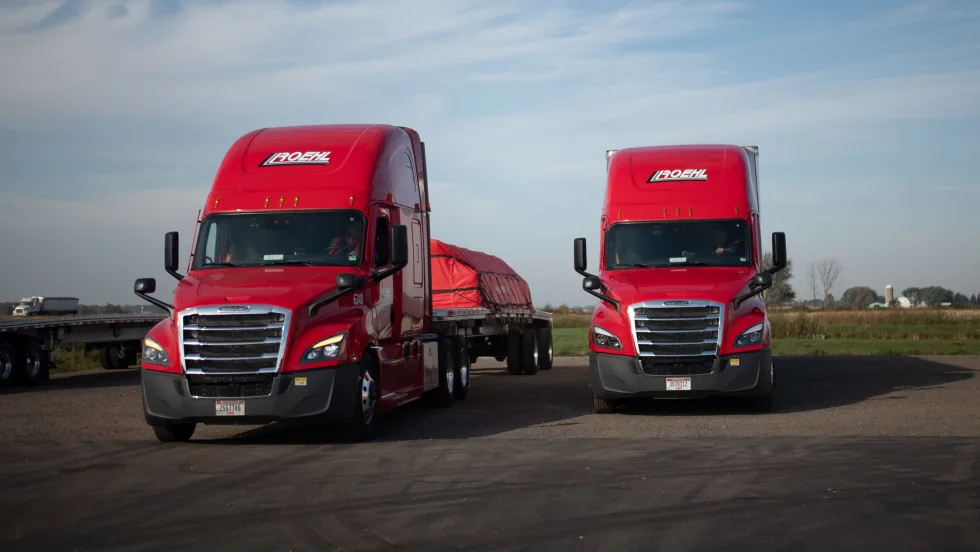
Roehl Offers Truck Drivers $10,000 Retention Incentive
Payments begin after the first load and continue in mileage-based installments for eligible experienced drivers joining the fleet.
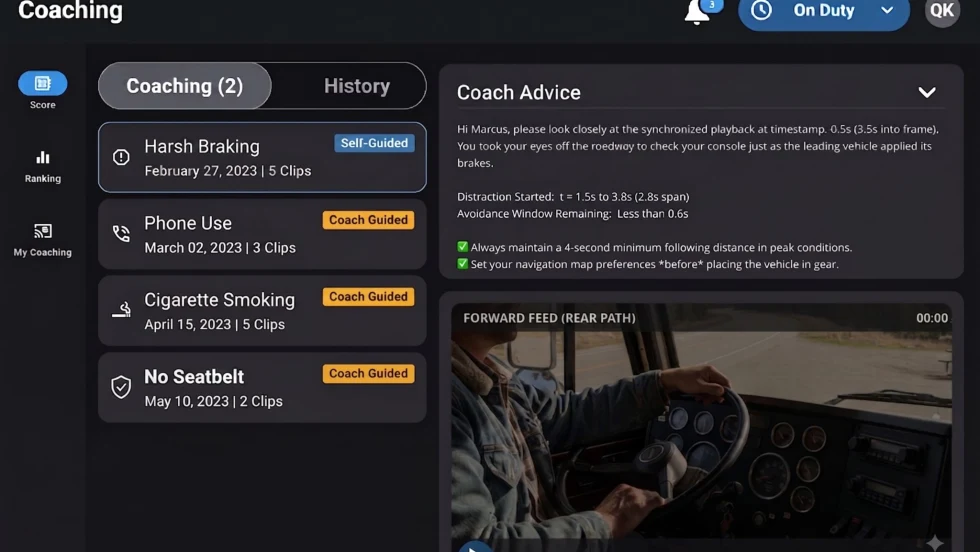
Platform Science Adds Dispatch and Safety Tools
Four additions to PS Fleet help fleets monitor loads, manage driver coaching, share truck locations and adjust video system settings.
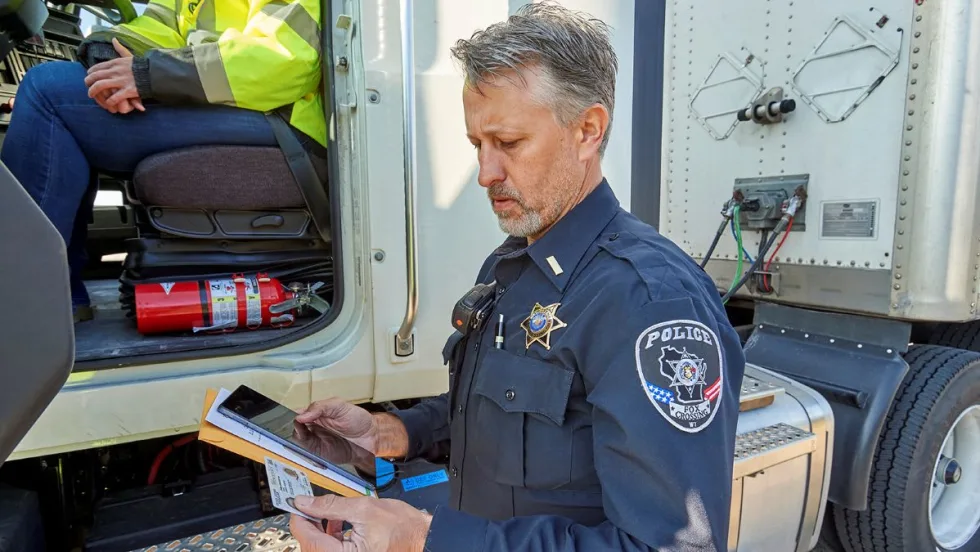
When Language Stops the Truck: The Return of ELP Out-of-Service Orders
English language proficiency rules for commercial drivers aren’t new, but renewed out-of-service enforcement has raised the stakes. Here’s what carriers need to know before a driver reaches a roadside inspection.

Samsara Launches Custom AI Agent Builder
Agent Studio lets fleets create AI tools for hours-of-service monitoring, reporting and driver support, including agents that communicate by phone.