




OOIDA Wonders Why Speed Limiters Get the Green Light While Driver Training Standards Languish
An announcement to consider speed limiting heavy trucks to 68 mph has small business truckers wondering why this unproven science is moving forward while minimum training standards for drivers are still not on the books
An announcement to consider speed limiting heavy trucks to 68 mph has small business truckers wondering why this unproven science is moving forward while minimum training standards for drivers are still not on the books.
The National Highway Traffic Safety Administration agreed to initiate a rulemaking today based on pleas from big trucking entities even though there is no data to support any safety benefits to speed limiting trucks.
"Speed limiting a truck at 68 miles per hour, or at any other speed, will not improve highway safety," said Todd Spencer, executive vice president of the Owner-Operator Independent Drivers Association (OOIDA). "All credible highway research shows that highways are safest when all vehicles travel at the same speed and that different speeds for cars and trucks actually increase the likelihood of accidents."
A study conducted by the University of Arkansas showed that speed limit differences between trucks and cars increase speed differentials, which create more dangerous interactions between trucks and cars. Also, a study conducted by the University of Michigan Transportation Research Institute shows that speed limited trucks are overrepresented in rear-end fatalities involving large trucks. Only 4 percent of all trucks are speed limited, yet half of the rear-end fatalities involving trucks were with speed-limited trucks.
Notably, the Federal Motor Carrier Safety Administration's large truck crash causation study showed that there were no fatalities in crashes above 70 mph.
OOIDA contends that economics and the current per-mile pay structure for drivers is the real motivation to reduce the ability of trucks to go with the flow of traffic.
"Hiring the most experienced drivers and paying them professional wages isn't a priority for most large motor carriers and it's cheaper to just govern the engine," Spencer said.
"This isn't a safety measure NHTSA is proposing" added Spencer. "It's a permission slip for big trucking companies to remain unaccountable."
Currently, there are no regulations requiring any training whatsoever in order to obtain a commercial drivers license or CDL, even though there is a proposed rule that has been pending for years with the FMCSA.
More Drivers
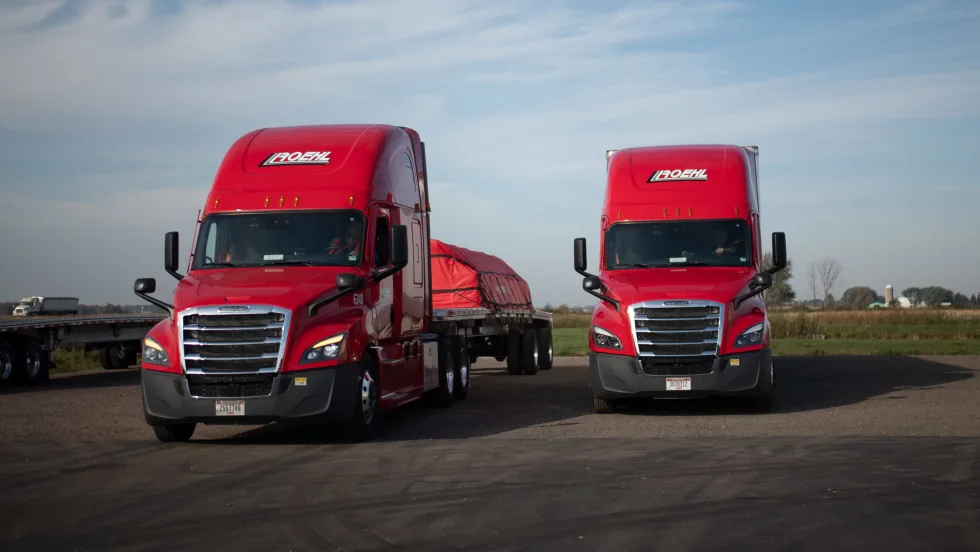
Roehl Offers Truck Drivers $10,000 Retention Incentive
Payments begin after the first load and continue in mileage-based installments for eligible experienced drivers joining the fleet.
Read More →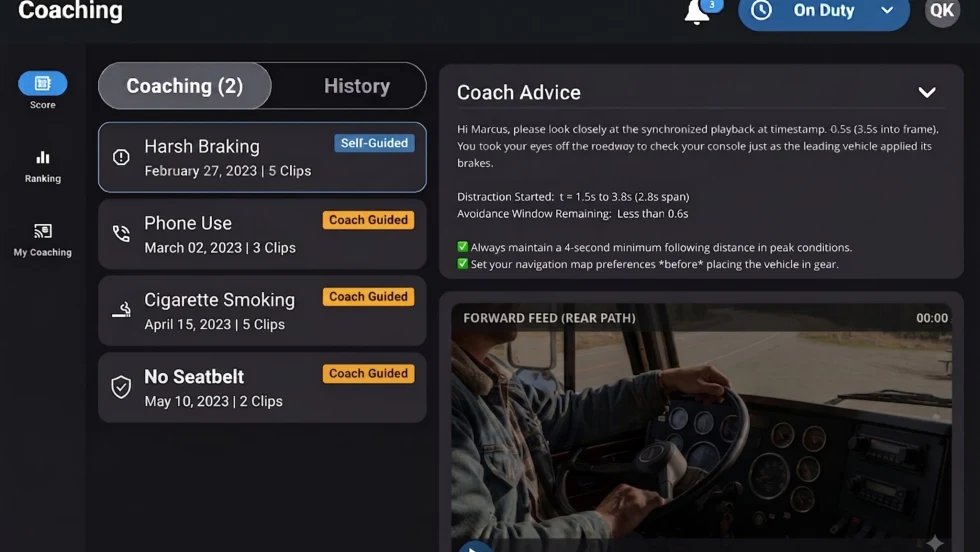
Platform Science Adds Dispatch and Safety Tools
Four additions to PS Fleet help fleets monitor loads, manage driver coaching, share truck locations and adjust video system settings.
Read More →
When Language Stops the Truck: The Return of ELP Out-of-Service Orders
English language proficiency rules for commercial drivers aren’t new, but renewed out-of-service enforcement has raised the stakes. Here’s what carriers need to know before a driver reaches a roadside inspection.
Read More →
Samsara Launches Custom AI Agent Builder
Agent Studio lets fleets create AI tools for hours-of-service monitoring, reporting and driver support, including agents that communicate by phone.
Read More →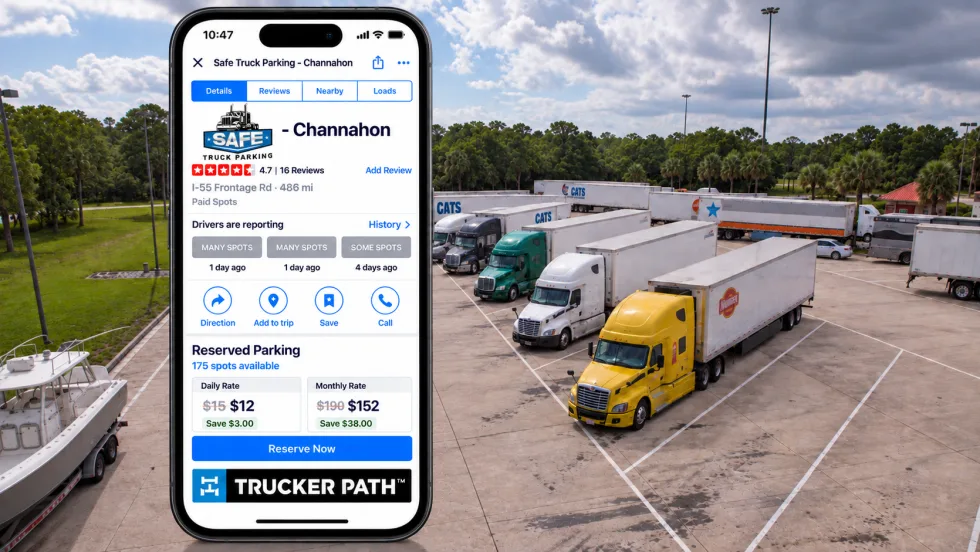
Trucker Path Expands Reserved Parking Network
Trucker Path has added close to 6,000 more truck parking spaces to its Trucker Path Reserved Parking Network with the addition of Safe Truck Parking.
Read More →
EEOC Sues Texas Trucking Company Over Driver Age Limits
The agency says Trancasa USA rejected applicants over 65 and applied tougher driving-record standards to those over 60.
Read More →
Nussbaum, Roehl Announce Second Driver Pay Increase This Year
This year has seen a swath of major truck driver pay increases as freight capacity has tightened.
Read More →
From One Generation to the Next: How Mentorship Builds Safer Truck Drivers
After three decades in trucking, Harold Perry shares what he's learned about driver safety, mentorship, and helping the next generation build confidence behind the wheel.
Read More →
Truck Drivers Need More Than Another Alert
Fleets have more visibility into truck health, safety events, and driver activity than ever. The next challenge is turning all that information into useful guidance for the person who has to decide what to do next.
Read More →
FMCSA Removes 110 Truck Driver Training Schools from Certified ELDT List
Federal regulators also are targeting more than 160 additional training providers and launching a nationwide audit of third-party CDL skills testers as part of a broader crackdown on trucking fraud.
Read More →