




OOIDA Urges DOT to Reject Toll on I-80
The Owner-Operator Independent Drivers Association (OOIDA) has asked the U.S. Department of Transportation to deny a request by the Pennsylvania Turnpike Commission to toll Interstate 80. The association sent a letter Wednesda
The Owner-Operator Independent Drivers Association (OOIDA) has asked the U.S. Department of Transportation to deny a request by the Pennsylvania Turnpike Commission to toll Interstate 80.
The association sent a letter Wednesday
to Secretary of Transportation Mary Peters and Federal Highway Administrator Richard Capka, which was jointly signed with the American Trucking Associations, American Highway Users Alliance and the National Association of Truck Stop Operators.
"We need to do a gut check on how current resources are being used before being asked to step up to the plate and pay more for a system of financing that we are beginning to question and 'trust' today," said Mike Joyce, of OOIDA's government affairs staff. "Responsible use of current resources should be the priority. Unfortunately, there are too many elected and government officials that continue to pour more water into a broken bucket, instead of fixing the hole in the bottom of the bucket."
The letter is one of several steps OOIDA has taken during the past several months against tolling I-80. "Truckers who merely drive through Pennsylvania, not just those who reside there, already contribute a great deal financially through a myriad of taxes and fees. And although heavy-duty trucks account for less than 10 percent of our nation's highway traffic, they contribute at least 36 percent of the money going into the Federal Highway Trust Fund, money that makes its way back to the Commonwealth of Pennsylvania," added Joyce.
Small business truckers typically pay in excess of $16,000 in federal and state taxes, fuel taxes, highway user fees and licensing and registration fees. Whether the truck is base-plated in another state or not, they pay taxes on each mile they drive in each state, and may pay an annualized percentage of their base-plate fees. Those residing in Pennsylvania may pay $17,000 or more in fees and taxes per year because it has the highest diesel fuel tax in the country at $.381 cents per gallon.
"The decision of truck drivers to use less suitable roads is not based on an attempt to maximize their profits, but rather it's an exercise in survival," explained Joyce. "Trucking is an extremely competitive business. Small business truckers are those least able to offset higher costs of tolls. As a result, they will choose alternate routes even when that means they will contend with significantly more traffic."
More Drivers
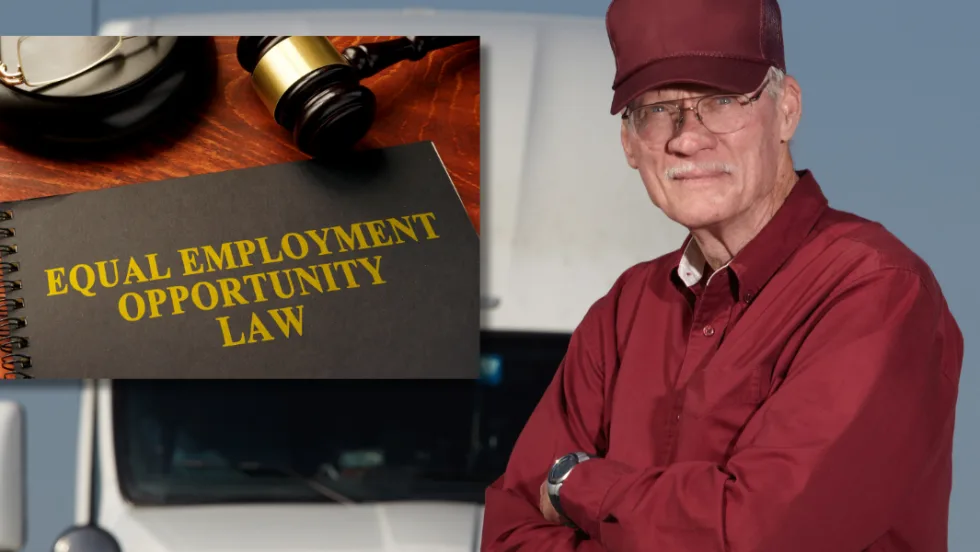
EEOC Sues Texas Trucking Company Over Driver Age Limits
The agency says Trancasa USA rejected applicants over 65 and applied tougher driving-record standards to those over 60.
Read More →
Nussbaum, Roehl Announce Second Driver Pay Increase This Year
This year has seen a swath of major truck driver pay increases as freight capacity has tightened.
Read More →
From One Generation to the Next: How Mentorship Builds Safer Truck Drivers
After three decades in trucking, Harold Perry shares what he's learned about driver safety, mentorship, and helping the next generation build confidence behind the wheel.
Read More →
Truck Drivers Need More Than Another Alert
Fleets have more visibility into truck health, safety events, and driver activity than ever. The next challenge is turning all that information into useful guidance for the person who has to decide what to do next.
Read More →
FMCSA Removes 110 Truck Driver Training Schools from Certified ELDT List
Federal regulators also are targeting more than 160 additional training providers and launching a nationwide audit of third-party CDL skills testers as part of a broader crackdown on trucking fraud.
Read More →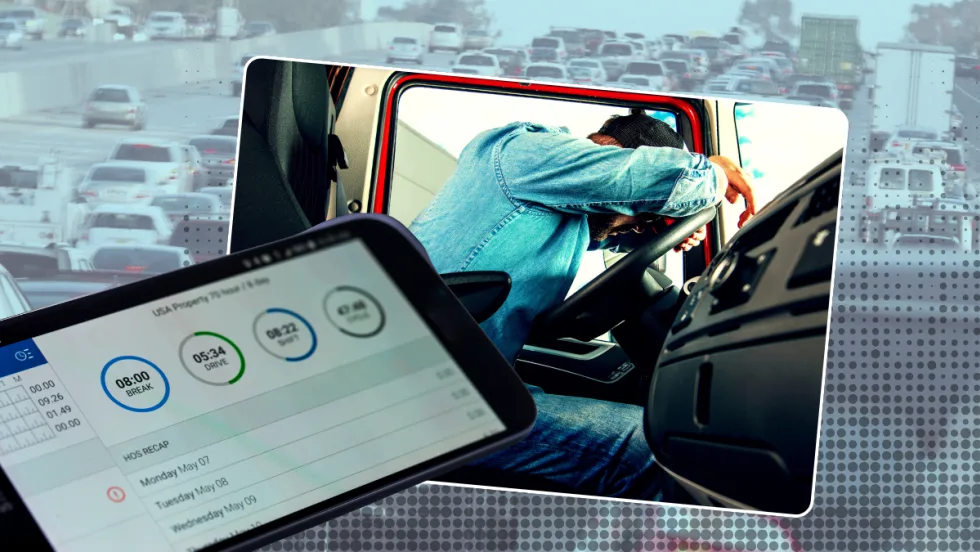
Hours of Service Pilot Programs: FMCSA Readies for 2027 Rollout
Two pilot programs could eventually reshape hours-of-service rules, giving truck drivers options to pause their 14-hour clock or use longer split sleeper rest periods.
Read More →
Medical Cards, English Proficiency Reshape Roadcheck Violations
Medical-card violations jumped to the top of the driver out-of-service list during CVSA’s 2026 International Roadcheck, while English-language proficiency violations appeared among the leading violations for the first time.
Read More →
Driver Trust Can Make or Break the Success of Fleet Safety Technology
New Teletrac Navman research suggests that onboarding, transparency about driver data, and positive feedback can play a significant role in how commercial drivers respond to safety and coaching technology.
Read More →
EEOC Sues KLLM Over Alleged Sex Discrimination in Driver Training
KLLM is facing a federal sex-discrimination lawsuit over policies the EEOC alleges put female truck driver trainees at a disadvantage.
Read More →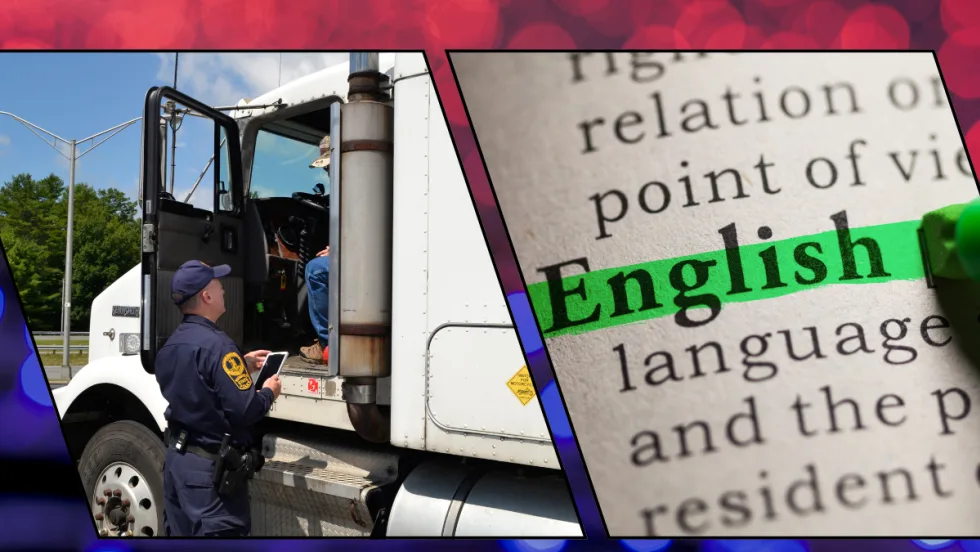
FMCSA Moves to Codify English Language Requirements for Commercial Drivers
By changing regulations on English-language proficiency requirements for commercial drivers, rather than relying on a guidance memo, the FMCSA said future administrations won't be able to walk back the Trump administration's stricter enforcement with just a memo.
Read More →