




Canadian Province Cracking Down on Truck Emissions
Ontario will increase its focus on truck emissions in 2020 as the Canadian province prepares to crack down on anyone that bypasses emissions controls – and that includes on-highway enforcement on trucks from other jurisdictions.
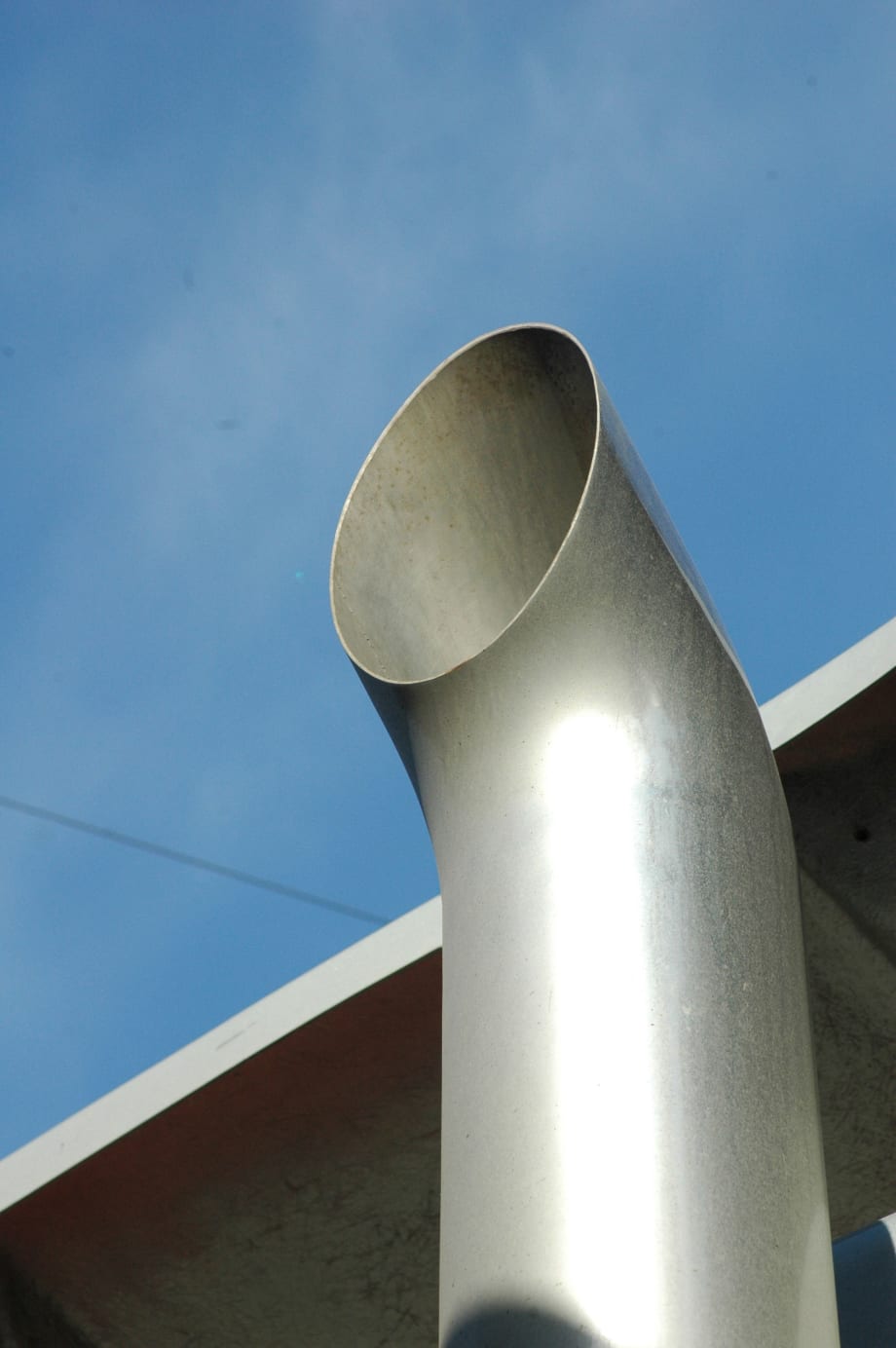
Tightening emissions standards in the U.S. and Canada throughout the 2000s led to cleaner emissions, but repair headaches and lower fuel economy led some truck owners to cheat the regs with "delete kits."
Photo by Jim Park
New emissions regulations in Ontario will affect any trucks traveling in the Canadian province. Ontario will increase its focus on truck emissions in 2020 as the province prepares to crack down on anyone that bypasses emissions controls, and includes equipment from other jurisdictions in on-road enforcement efforts.
New tests established by the Ministry of Environment, Conservation and Parks will focus on ensuring that required emission control systems are in place and operating as they should, in a fight against tampering and the use of so-called “delete kits.” The sale of emissions control defeat devices will also be prohibited.
With delete kits, service providers remove emissions-reducing devices such as diesel particulate filters and then reprogram the engine for better performance. The procedure effectively reverses the environmental gains resulting from the advent of exhaust-gas recirculation and DPF systems introduced in the 2000s.
As of July 1, 2020, Ontario trucks with a registered gross weight of 4,500 to 6,350 kg will have to pass an electronic diagnostic check of their emissions systems. Those test requirements ultimately will align with the Ontario Ministry of Transportation’s Periodic Mandatory Commercial Vehicle Inspections, creating a single electronic record.
Vehicles that are six years old or newer will be able to forego opacity-related tests – those traditionally associated with the province’s Drive Clean program as well as roadside enforcement – if they pass the electronic diagnostic tests and inspection of emission components.
But the opacity-related tests that are conducted will include tighter thresholds.
Emissions cannot be visible for more than five seconds during a one-minute period, representing a shift from original limits of 15 seconds in five minutes. Trucks with a model year of 2008 or newer will now have exhaust limited to an opacity of 20%, compared to a previous threshold of 30%. Trucks with model years of 1991-2007 will face a threshold of 30%, while older trucks will be limited to 40%.
“The new threshold is more appropriate for newer vehicles, which were manufactured designed to minimize smoke and soot,” the Ontario Ministry of Environment, Conservation and Parks says, referring to changes to the Heavy Diesel Commercial Motor Vehicle Emissions Testing Program.
The Ontario Trucking Association has been lobbying against on-board diagnostic tests — which can take two to three hours per truck — and opacity tests, citing the high pass rates through the Drive Clean Program. But it has been calling for the crackdown on the tampering of emissions controls.
“This program will reduce red tape on our business and effectively target non-compliant trucking companies that tamper with their emissions and ensure those who pollute in our province are held accountable for their actions,” said Carmen Transportation Group president Vince Tarantini, during an official government rollout of the plan.
Ontario Trucking Association chairman David Carruth stressed that the rules will help ensure all fleets are on a level playing field and “not using environmental non-compliance as part of their business strategy.”
Physical inspections of emissions controls will watch for factors such as empty or contaminated diesel exhaust fluid tanks; cracked or leaking diesel particulate filters; and cracked catalytic converters, among other issues.
A working group is also being formed to look at options including “appropriate incentives and burden reduction measures” for those that consistently demonstrate cleaner fleets, and strategies for older diesel-powered equipment produced without emissions controlling equipment or on-board diagnostic systems.
According to Ontario’s Ministry of Environment, Conservation and Parks, further changes to emissions testing requirements will take place in 2021, when the integrated vehicle safety and emissions testing program is proposed to come into effect.
John G. Smith is the editor of the award-winning Canadian publication Today's Trucking. This article was used under a cooperative editorial sharing agreement between HDT and its Canadian counterpart.
More Fuel Smarts
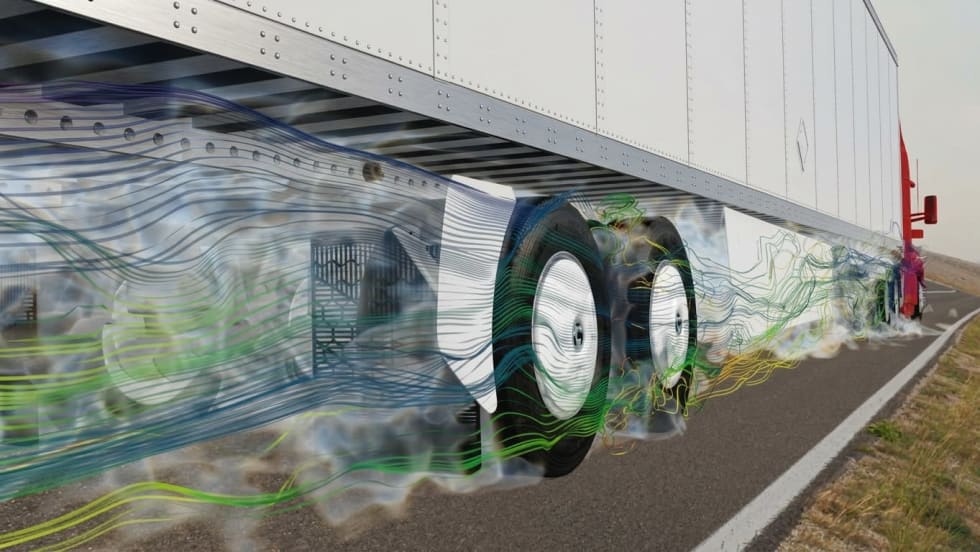
FlowBelow Redesigns Trailer AeroSlider to Cut Fuel Use
The lighter trailer aerodynamic system installs in less than 45 minutes, according to the company, with potential payback in under a year depending on fuel prices and trailer mileage.
Read More →
Why Diesel Price Relief Efforts May Fall Short
Diesel prices have eased from September’s record high, but doubts about additional Russian supply and limits on dyed-diesel tax relief mean trucking fleets still face expensive fuel. And prices could go higher.
Read More →
Why Small Fuel Savings Matter in Trucking
Can better fuel economy help pay for driver raises? In this podcast, GP Transco explains how small efficiency gains create room to reinvest in its people.
Read More →
How GP Transco Cuts Trucking Fuel Costs, a Tenth of a Gallon at a Time
What’s another tenth of a mile per gallon worth? GP Transco shares how equipment upgrades and driver coaching turn small gains into meaningful fuel savings.
Read More →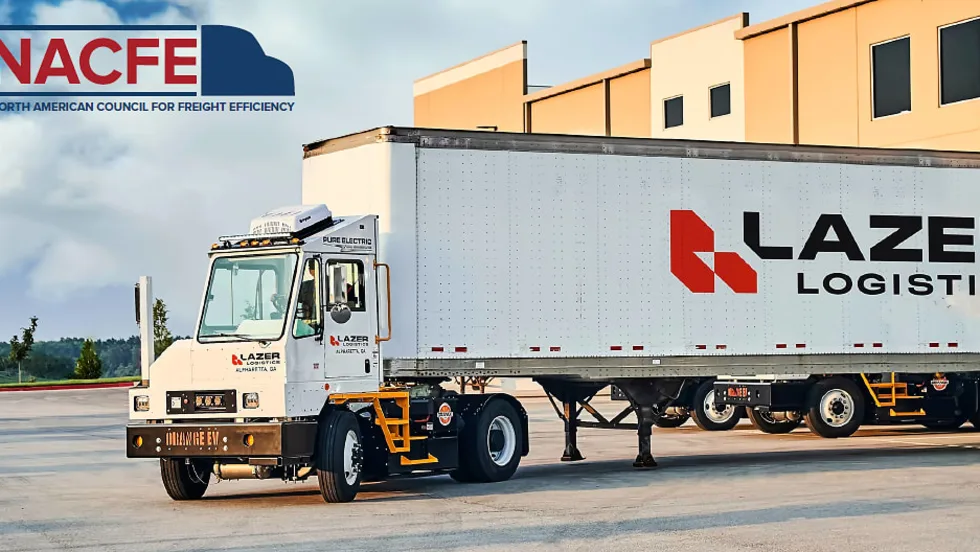
Electric Yard Tractors Move Beyond Pilots
Operating-cost savings have overtaken sustainability goals as the leading reason surveyed fleets are adopting battery-electric terminal tractors, according to new NACFE research.
Read More →
Geotab Links Fleet Card to Vehicle Data
The new card combines fuel discounts with telematics-based purchase controls. Geotab’s analysis also points to potential savings from choosing lower-priced fuel stops.
Read More →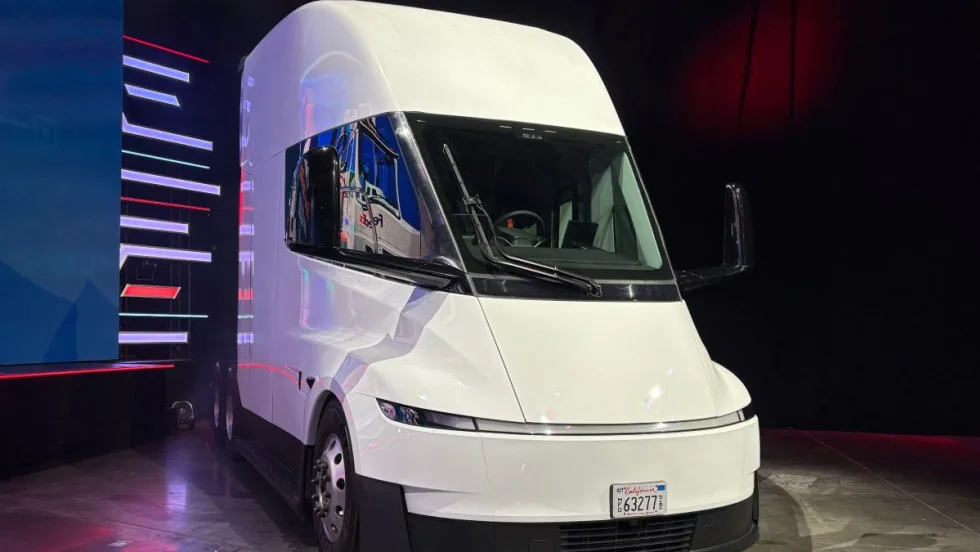
Fleet Economics Shape Electric Truck Outlook
ACT Research expects costs, charging infrastructure, and technology improvements to drive zero-emission commercial vehicle adoption as federal regulations and incentives retreat.
Read More →
Wex Adds Cardless Fuel Payments for Over-the-Road Customers
A new fuel card feature for Wex customers offers convenience and security.
Read More →
New California Law Could Shed Light on Electric Truck Prices
Why do battery-electric Class 8 trucks remain so expensive? A California bill signed by Gov. Gavin Newsom would give fleets and state agencies more visibility into what manufacturers charge.
Read More →
How Volvo Updated Its D13 for EPA 2027 [Watch]
Volvo’s updated D13 promises lower emissions without sacrificing performance or fuel economy. Take a closer look at what changed inside the engine in this HDT Spotlight video.
Read More →