




Olympics Expected To Cause Highway Problems In Salt Lake City
Officials with the Utah Transportation Department and the Salt Lake Organizing Committee are advising truckers to avoid Salt Lake City if possible as the Winter Olympics get ready to kick off on Friday
Officials with the Utah Transportation Department and the Salt Lake Organizing Committee are advising truckers to avoid Salt Lake City if possible as the Winter Olympics get ready to kick off on Friday.
For some time, officials have been warning that travel times through the area could triple or quadruple due to heavier-than-usual traffic. With Olympic venues located inside and outside the city Feb. 8-24, travel will be affected on Interstates 80, 84, 215 and 15, as well as on U.S. Highways 89 and 140.
I-80, the region's main east-west artery, is expected to see traffic so bad on some days that a typical 45-minute drive from Salt Lake to Park City could take four hours. Olympic organizers are especially asking truckers to avoid Interstate 80 eastbound during the morning hours -- or even better, travel it only at night. If you can, detour southbound on I-70 through Denver and I-70/15 through Las Vegas.
If you must pick up or deliver in the city, keep in mind that many road restrictions are already in place, and a number of unique closures will be instigated for the torch relay on Thursday. This will include full road closures at the following locations from 6 p.m. to 12:30 a.m.:
Main Street: South Temple to 500 South, both directions
State Street (will remain closed until 4 a.m.): North Temple to 500 South, both directions
400 South: West Temple to 300 East, both directions
East/West streets from West Temple to 200 East (300 South to 500 South), both directions
North Temple: 300 West to 200 West, both directions
The torch will enter the Salt Lake valley on Thursday around 4 p.m. Fifteen-minute rolling road restrictions will move with the torch through the valley, from the University of Utah area through the Avenues, arriving at the State of Utah Capitol building at approximately 6 p.m. The torch relay will then head south on State Street through the downtown area and then south and east, returning downtown at approximately 8:30 p.m. and finally arriving at the City County Building on Washington Square at approximately 10 p.m.
On Friday, 15-minute rolling road restrictions will be in place starting at 5 a.m. as the torch moves from the Olympic Medals Plaza downtown into Davis County and then back into Salt Lake County, through many cities, including West Valley, Kearns, Draper, Sandy and Murray. The torch will then return to the downtown area at approximately 6 p.m. as it makes its way to Rice-Eccles Olympic Stadium for Opening Ceremony.
Rolling closures related to the torch relay could impact traffic for up to one hour due to arriving and departing spectator crowds on the torch relay route. All torch relay times are approximated and subject to change.
You can find more information on the Olympic road closures at www.dot.state.ut.us or www.utahcommuterlink.com.
More Drivers
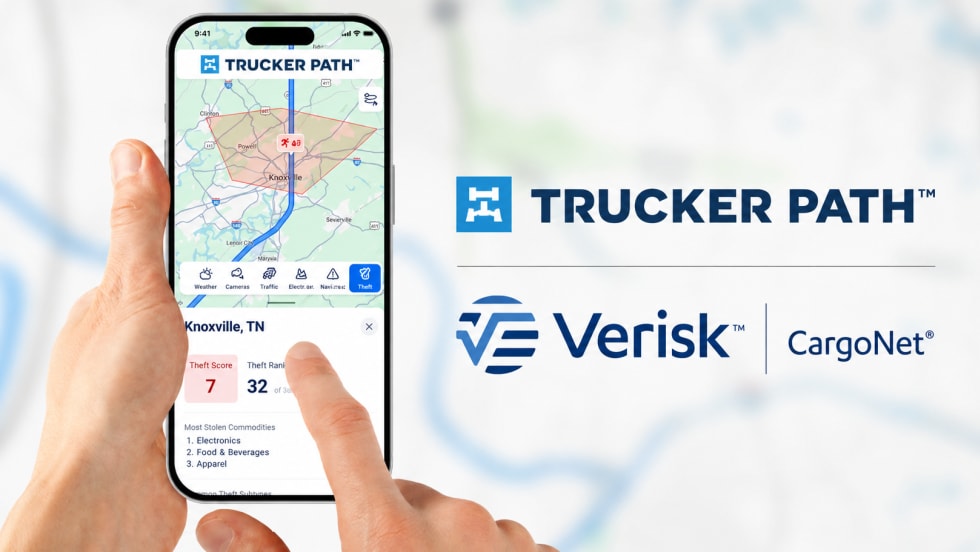
Trucker Path Adds Verisk CargoNet Theft Data to Navigation Platform
Trucker Path’s new cargo theft risk overlays give drivers and fleets visibility into high-risk areas, stolen commodity trends, and theft hotspots.
Read More →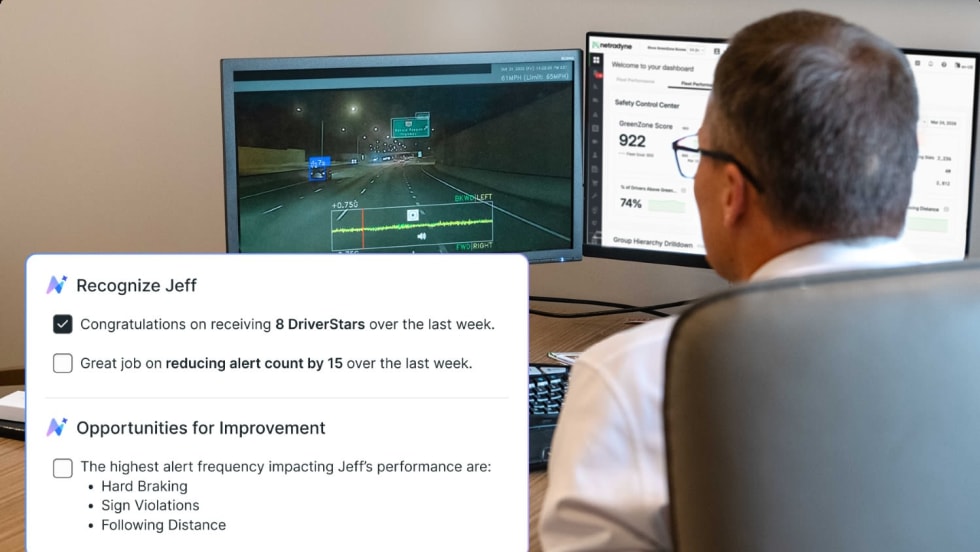
Netradyne Intelligence Uses New AI Agents to Automate Response to In-Cab Camera Data
The company called the next-generation in-cab camera safety platform "a fundamental shift from systems that report on what happened to systems that actively drive what should happen next."
Read More →
Why Truck Detention Keeps Costing Fleets Time and Money
A 2024 ATRI study found detention affects nearly 40% of truckload stops and costs the industry more than $15 billion annually. Despite the toll on drivers, fleets, and supply chains, the problem remains stubbornly persistent.
Read More →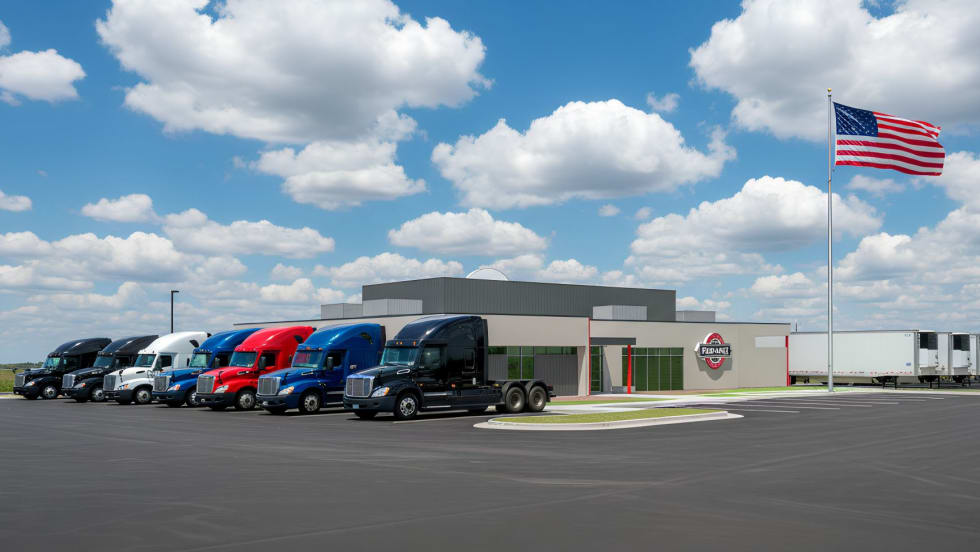
Prime Inc. to Open $7.9M Flagship Used-Truck Dealership
A new driver-focused facility to sell Prime Inc's used trucks and trailers will be the first purpose-built location in the company's history.
Read More →
Short Takes: Inside K&B’s Truck Safety Tech
Listen to learn how K&B Transportation uses cellphone-blocking technology, speed management systems, weather geofencing, bridge avoidance tools, and more to improve driver safety.
Read More →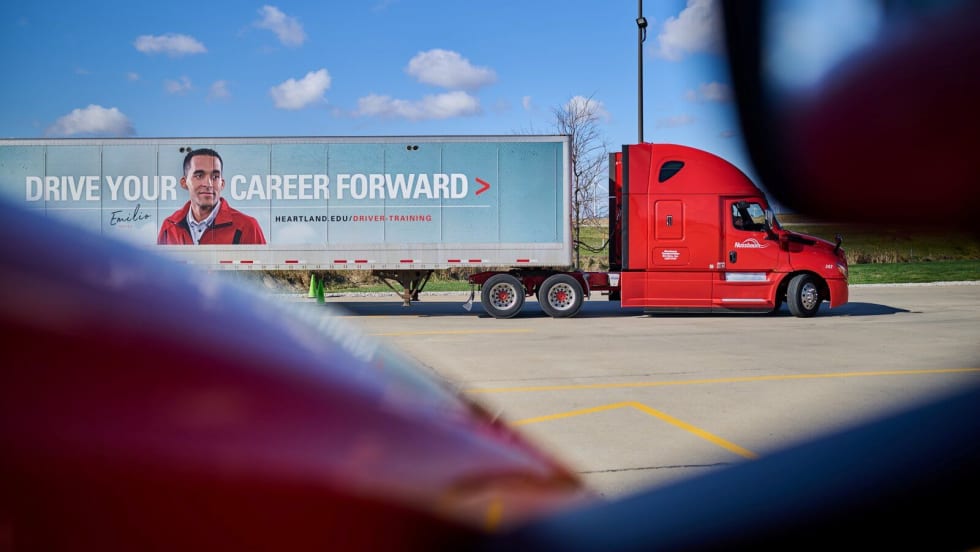
Nussbaum Expands Driver Compensation with Pay Raises, Profit Sharing
Nussbaum Transportation said its latest compensation package could push first-year driver earnings above $90,000 in key hiring markets.
Read More →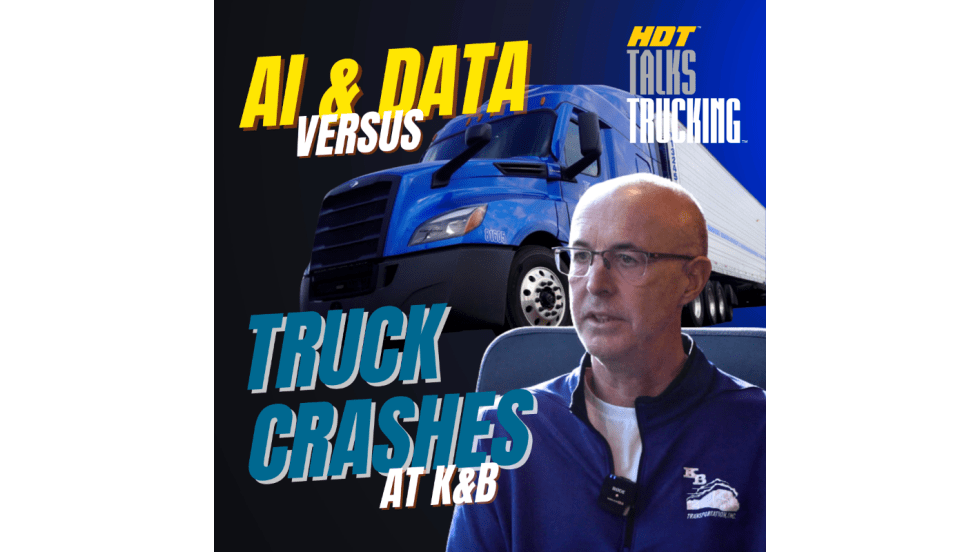
Listen: Inside Modern Fleet Safety: AI, Cameras & Speed Control at K&B Transportation
Fleet safety is evolving fast—and technology is at the center of it. Learn how a former commercial vehicle enforcement officer turned director of safety at K&B Transportation is embracing real-world safety technology.
Read More →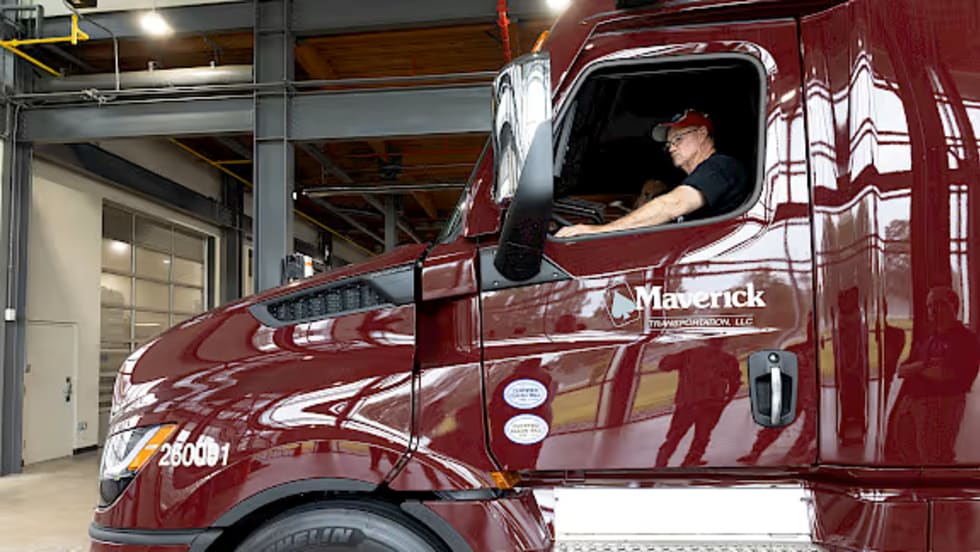
Maverick Announces 2026 Driver Pay Raises
New raises for Maverick Transportation drivers will take effect on May 31, 2026.
Read More →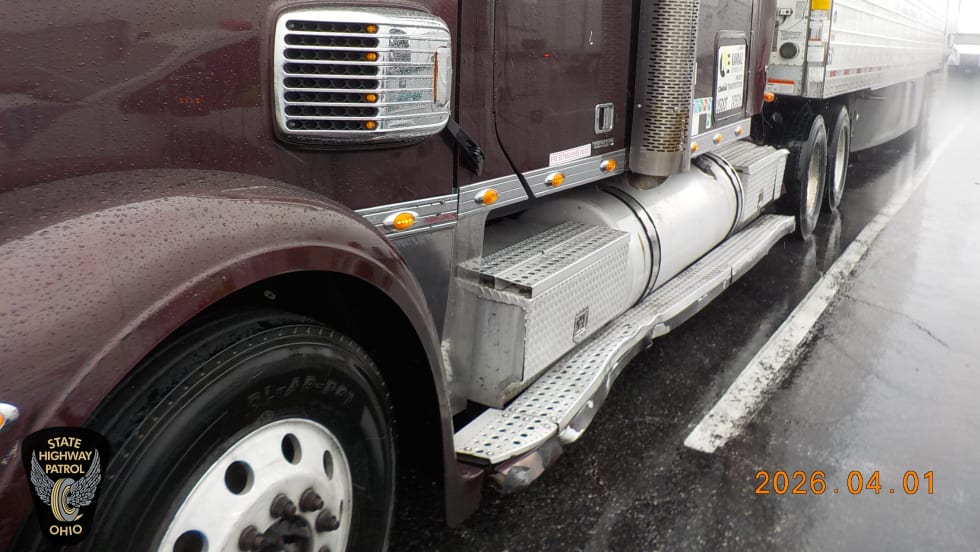
Illinois Trucker Indicted for Nearly $22,000 in Ohio Turnpike Toll Evasion
Authorities say an Illinois trucker avoided paying tolls for two years, and now faces felony charges, possible prison time, and forfeiture of his Freightliner tractor.
Read More →
New Trojan Driver Cargo Theft Scam Bypasses Carrier Vetting Systems
Cargo theft rings plant operatives as drivers inside legitimate, fully vetted carriers, then execute coordinated thefts that look like a traditional straight theft from the outside.
Read More →