




Old Dominion Freight Line and Celadon Group on Thursday released their financial results for the final quarter of the year, with both reporting higher profits.
Old Dominion Freight Line, High Point, N.C., saw fourth quarter revenue from operations rise 3.3% to $124.4 million from $120.48 million for the fourth quarter of 2000. Net income was $4.15 million, compared with $2.5 million for the same quarter in 2000. Fourth quarter 2001 results include the sale of operating property for an after-tax gain of $1.24 million, and the sale and disposition of non-operating properties for a net after-tax gain of $471,000. Excluding these transactions, which account for $1.71 million of net income, the company's net income for the quarter was $2.44 million.
For the year, revenue increased 5.6% to $502.24 million, $475.8 million for 2000. Net income was $11.91 million, compared with $13.7 million the previous year. Excluding the fourth quarter 2001 nonrecurring transactions, the company's net income was $10.19 million.
The company says the revenue growth was due to increasing market share in its existing service center network and to the company's February 2001 acquisition of Carter & Sons Freightways.
Celadon Group, Indianapolis, reported net income for the final quarter of 2001 increased to $199,000, compared with a loss of $555,000 in the prior year's comparable period. Consolidated revenue for the three months was $79.3 million, a 5 percent increase over an adjusted $75.4 million reported for the same period a year earlier. The adjusted revenues for the December 2000 quarter exclude revenues from the divested flatbed division and higher pass-through revenues related to U.S. border-crossing costs. Including these revenues, reported revenue in the prior year's comparable period was $87 million.
Celadon Group reported income before taxes of $328,000 for the quarter ended December 31, compared with a loss before taxes of $838,000 in the prior-year December quarter, an improvement of $1.17 million. The December 2000 quarter included approximately $240,000 of operating profit from its divested flatbed division.
Trucking operating income increased from $1.7 million in the December 2000 quarter, excluding the divested flatbed division, to $2 million in the December 2001 quarter. Improved margins and lower interest cost, related to a reduction of over $20 million in debt and lower interest rates, more than offset higher insurance and tractor cost. Tractor expense increased due to reducing the trade cycle from five to four years.
"Despite a much more difficult economic climate in the United States in 2001, we were able to grow revenue miles by close to 2 percent, and revenue on an adjusted basis by 5 percent for the quarter," said Steve Russell, Chairman and CEO. "Utilization, measured in miles per week per tractor, was below historical levels, due to the shape of the U.S. economy. We believe that when the recession ends, our miles should improve. With deadhead running meaningfully below last year, we would expect that better miles per week per tractor will result in higher margins."
Celadon's TruckersB2B generated operating income of $223,000 in the December 2001 quarter, compared with a loss of $655,000 in the prior year's comparable period. Revenue at TruckersB2B increased by 42 percent to $1.7 million in the December 2001 quarter, from $1.2 million in the December 2000 quarter. Celadon owns approximately 80 percent of TruckersB2B, which now has over 310,000 member trucks enrolled, represented by over 10,000 separate companies in the U.S. and Canada.
Old Dominion & Celadon Report Financials
Old Dominion Freight Line and Celadon Group on Thursday released their financial results for the final quarter of the year, with both reporting higher profits
More Drivers

Best Fleets to Drive For: Two Carriers Earn Overall Award for First Time
CarriersEdge announced the 2026 Best Fleets to Drive For overall winners, with Crawford Trucking, Fortigo Freight Services, and FTC Transportation receiving top awards.
Read More →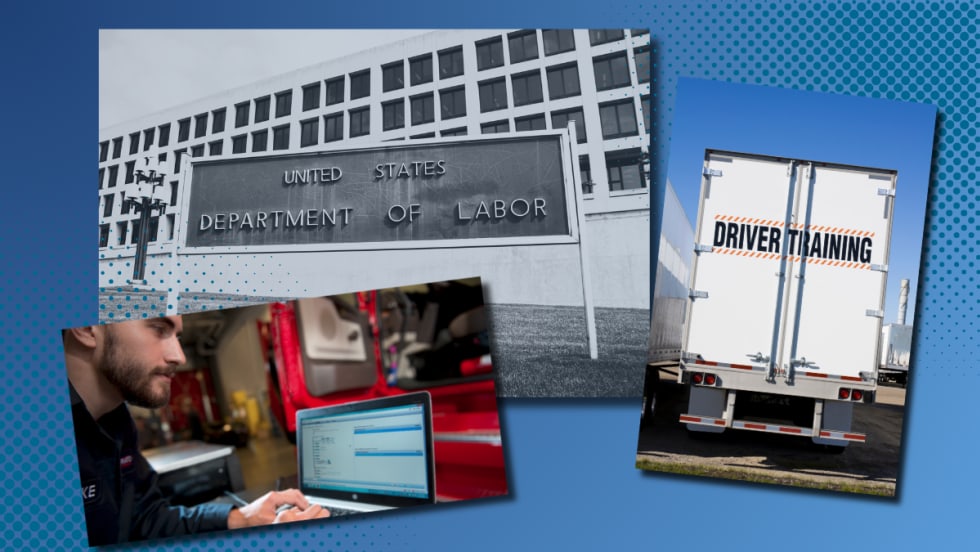
Federal Proposal Would Allow Pell Grants for Shorter-Term Job Training
The Department of Labor plans to expand Pell Grant eligibility to some shorter workforce training programs, a move the American Trucking Associations said will help strengthen commercial driver training schools and diesel technician training programs.
Read More →
Owner-Operator Model Gets Boost as DOL Proposes 2024 Independent Contractor Definition Reversal
For an industry that has watched this issue go back and forth for years, the independent contractor proposal marks the latest swing in the regulatory pendulum.
Read More →
FMCSA Reinstates Field Warrior ELD to Registered Device List
One electronic logging device has been reinstated to the FMCSA's list of registered ELDs.
Read More →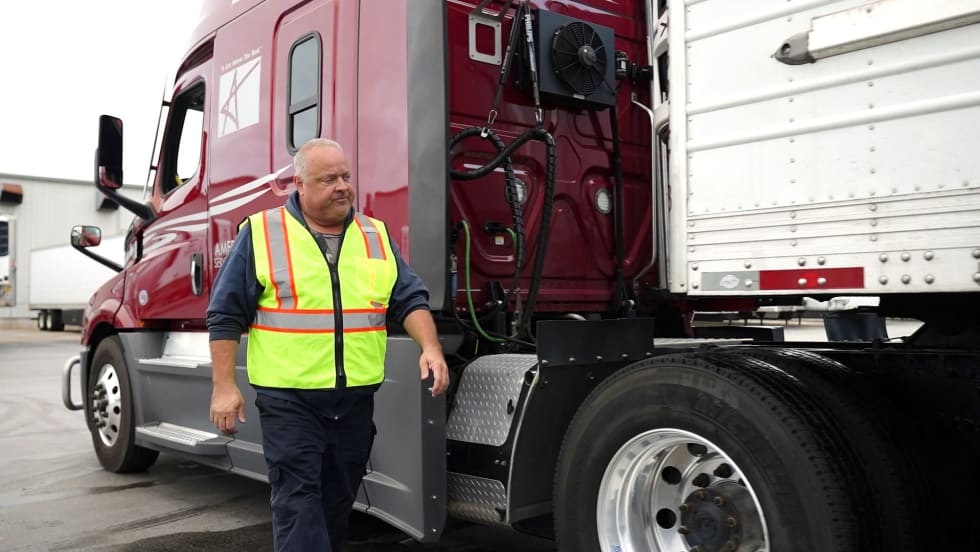
How One Company is Using Smart Suspension Technology to Reduce Driver Injuries and Improve Retention
America’s Service Line adopted Link’s SmartValve and ROI Cabmate systems to address whole-body vibration, repetitive strain, and driver turnover. The trucking fleet is already seeing measurable results.
Read More →
CarriersEdge Announces 2026 Best Fleets to Drive For
The 18th annual contest recognizing the best workplaces for truck drivers sees changes to Top 20, Hall of Fame
Read More →
FMCSA Targets 550+ ‘Sham’ CDL Schools in Nationwide Sting Operation
The Federal Motor Carrier Safety Administration issued more than 550 notices of proposed removal to commercial driver training providers following a five-day nationwide enforcement sweep. Investigators cited unqualified instructors, improper training vehicles, and failure to meet federal and state requirements.
Read More →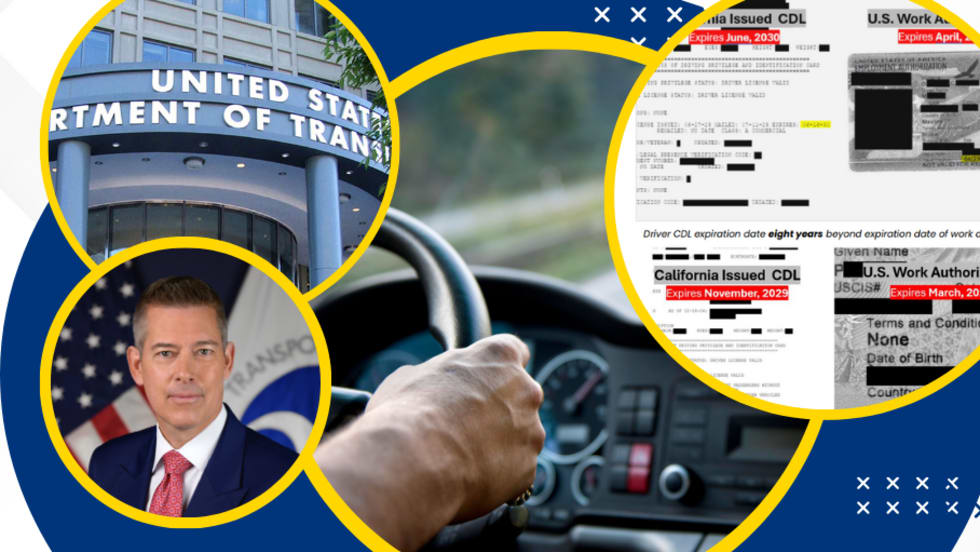
DOT Alleges Illinois Issued Illegal Non-Domiciled CDLs
Illinois is the latest state targeted and threatened with the loss of highway funding by the U.S. Department of Transportation in its review of states' non-domiciled CDL issuance procedures. The state is pushing back.
Read More →FMCSA Locks in Non-Domiciled CDL Restrictions
After a legal pause last fall, FMCSA has finalized its rule limiting non-domiciled commercial driver's licenses. The agency says the change closes a safety gap, and its revised economic analysis suggests workforce effects will be more gradual than first thought.
Read More →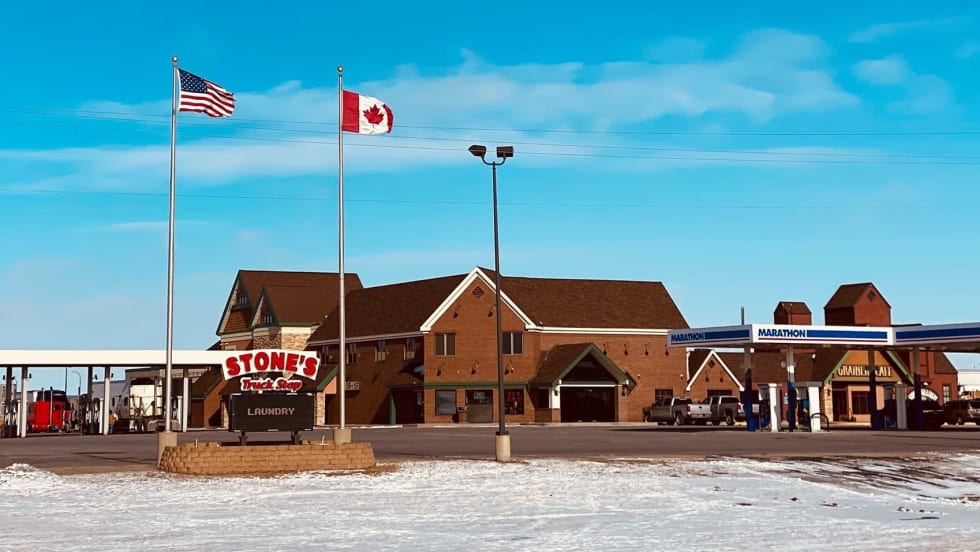
Trucker Path Names Top Truck Stops for 2026
Truck driver ratings reveal the best chain and independent truck stops in the country.
Read More →