




Oklahoma officials have changed the eastbound truck detour around the I-40 bridge that collapsed last month after being hit by an out-of-control barge.
Ideally, the Oklahoma Department of Transportation recommends avoiding the area in eastern Oklahoma near Webbers Falls altogether. If you must travel this corridor, officials say, allow at least 30 minutes extra westbound and one hour eastbound.
As before, the truck detour for eastbound I-40 leaves the interstate and turns south on State Highway 2, then turns east on State Highway 9. However, where before the detour turned north at U.S. 59, meeting back up with I-40 near Sallisaw, now trucks are to continue on State Highway 9 through Spiro until it meets back up with I-40 near Ft. Smith, Ark.
Truck and vehicular through traffic I-40 westbound should turn north on State Highway 10 at Gore, west on U.S. 64, then south on State Highway 100, rejoining I-40 east of the Muskogee Turnpike.
Travelers from northern Oklahoma, including Kansas, should go south on I-35, then east on U.S. 412/Cimarron Turnpike.
Travelers from northeastern Oklahoma, Tulsa and surrounding areas should detour east on U.S. 412/Cherokee Turnpike, south on I-540 in Arkansas, then east onto I-40 in Ft. Smith, Ark.
Travelers coming into Oklahoma from Texas to access I-40 east of Warner, Okla., should use I-30 from Texas into Arkansas.
For more information, including maps, go to www.okladot.state.ok.us/public-info/i40-bridge.htm.
Oklahoma Posts New Truck Detour Route
Oklahoma officials have changed the eastbound truck detour around the I-40 bridge that collapsed last month after being hit by an out-of-control barge
More Drivers

Best Fleets to Drive For: Two Carriers Earn Overall Award for First Time
CarriersEdge announced the 2026 Best Fleets to Drive For overall winners, with Crawford Trucking, Fortigo Freight Services, and FTC Transportation receiving top awards.
Read More →
Federal Proposal Would Allow Pell Grants for Shorter-Term Job Training
The Department of Labor plans to expand Pell Grant eligibility to some shorter workforce training programs, a move the American Trucking Associations said will help strengthen commercial driver training schools and diesel technician training programs.
Read More →
How Thermo King’s AI-Fueled Telematics Drive Fleet Efficiency
Thermo King's AI-powered telematics enhance fleet efficiency with smart monitoring, predictive maintenance, and real-time insights. Improve uptime and help reduce costs with these advanced digital solutions.
Read More →
Owner-Operator Model Gets Boost as DOL Proposes 2024 Independent Contractor Definition Reversal
For an industry that has watched this issue go back and forth for years, the independent contractor proposal marks the latest swing in the regulatory pendulum.
Read More →
FMCSA Reinstates Field Warrior ELD to Registered Device List
One electronic logging device has been reinstated to the FMCSA's list of registered ELDs.
Read More →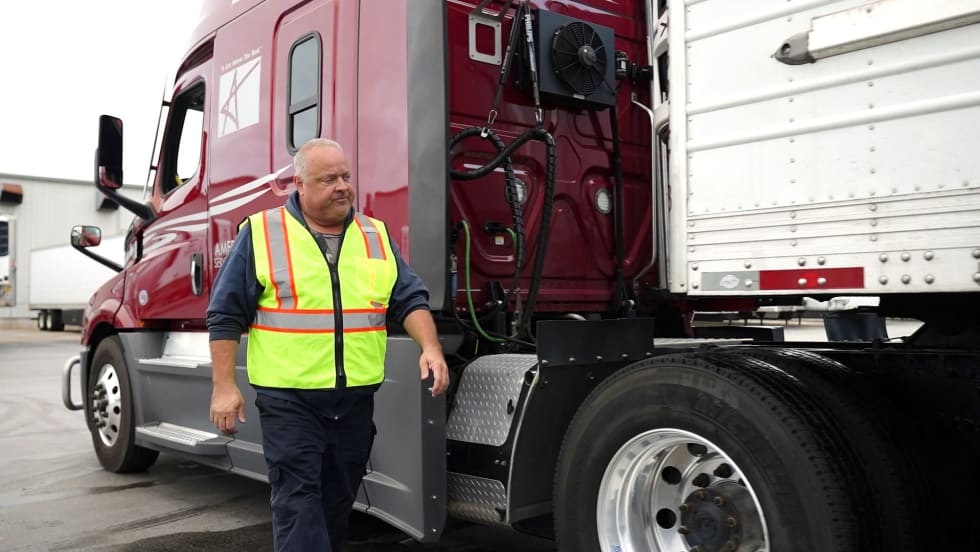
How One Company is Using Smart Suspension Technology to Reduce Driver Injuries and Improve Retention
America’s Service Line adopted Link’s SmartValve and ROI Cabmate systems to address whole-body vibration, repetitive strain, and driver turnover. The trucking fleet is already seeing measurable results.
Read More →
CarriersEdge Announces 2026 Best Fleets to Drive For
The 18th annual contest recognizing the best workplaces for truck drivers sees changes to Top 20, Hall of Fame
Read More →
FMCSA Targets 550+ ‘Sham’ CDL Schools in Nationwide Sting Operation
The Federal Motor Carrier Safety Administration issued more than 550 notices of proposed removal to commercial driver training providers following a five-day nationwide enforcement sweep. Investigators cited unqualified instructors, improper training vehicles, and failure to meet federal and state requirements.
Read More →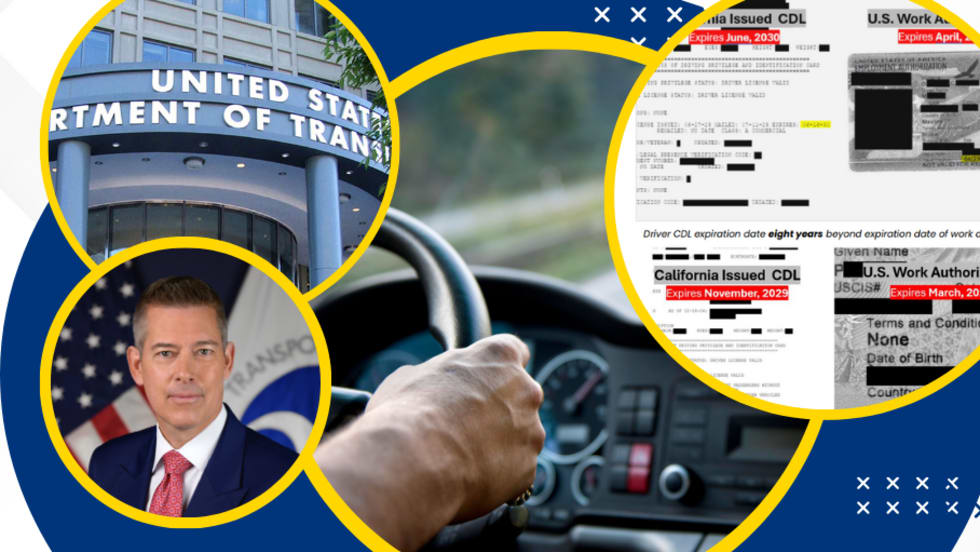
DOT Alleges Illinois Issued Illegal Non-Domiciled CDLs
Illinois is the latest state targeted and threatened with the loss of highway funding by the U.S. Department of Transportation in its review of states' non-domiciled CDL issuance procedures. The state is pushing back.
Read More →FMCSA Locks in Non-Domiciled CDL Restrictions
After a legal pause last fall, FMCSA has finalized its rule limiting non-domiciled commercial driver's licenses. The agency says the change closes a safety gap, and its revised economic analysis suggests workforce effects will be more gradual than first thought.
Read More →