




NTSB Recommends Haz-Mat Loading/Unloading Regs
The National Transportation Safety Board has recommended that the U.S. Department of Transportation’s Research and Special Programs Administration establish safety requirements for the loading and unloading of hazardous materials within one year
The National Transportation Safety Board has recommended that the U.S. Department of Transportation’s Research and Special Programs Administration establish safety requirements for the loading and unloading of hazardous materials within one year.
The NTSB has also advised the National Tank Truck Carriers and Chemical Manufacturers Assn. that the Manual of Operating Recommendations should be revised to include recommended practices aimed at preventing the unloading of hazardous materials into the wrong storage tank.
The advisory stems from a 1998 incident at Ford’s Kentucky Truck Plant in Louisville, when a liquid mixture of nickel nitrate and phosphoric acid was accidentally unloaded into a tank containing sodium nitrite solution. An employee at the plant inadvertently attached the cargo transfer hose to the wrong tank. When the nickel nitrate and phosphoric acid solution from the truck mixed with the sodium nitrite solution in the storage tank, the chemical reaction produced toxic gases of nitric oxide and nitrogen dioxide.
The driver of the truck stopped the transfer when he saw an orange cloud coming from the bulk storage building, but about 2,400 people had to be evacuated from the plant and surrounding businesses and another 600 local residents were told to remain inside their homes. Three police officers, three plant employees, and the truck driver were treated for minor inhalation injuries. Damages exceeded $192,000.
NTSB determined that the probable cause of the accident was inadequate training of plant employees regarding procedures for unloading bulk hazardous materials and similar labeling of adjacent pipe connections. It recommended that Ford distribute written safety-critical procedures to all employees engaged in cargo transfer operations.
In letters to the National Tank Truck Carriers and the Chemical Manufacturers Assn., NTSB recommended that unloading and loading standards be adopted such as a requirement that drivers personally verify or question all transfer connections before beginning delivery of the product.
The agency also criticized the U.S. Department of Transportation for not having adequate safety requirements for unloading hazardous materials from highway cargo tanks. The DOT's Research and Special Programs Administration is currently evaluating a broad rulemaking, initiated in 1996, that would include new rules concerning loading and unloading operations.
More Drivers

FMCSA Removes 110 Truck Driver Training Schools from Certified ELDT List
Federal regulators also are targeting more than 160 additional training providers and launching a nationwide audit of third-party CDL skills testers as part of a broader crackdown on trucking fraud.
Read More →
Hours of Service Pilot Programs: FMCSA Readies for 2027 Rollout
Two pilot programs could eventually reshape hours-of-service rules, giving truck drivers options to pause their 14-hour clock or use longer split sleeper rest periods.
Read More →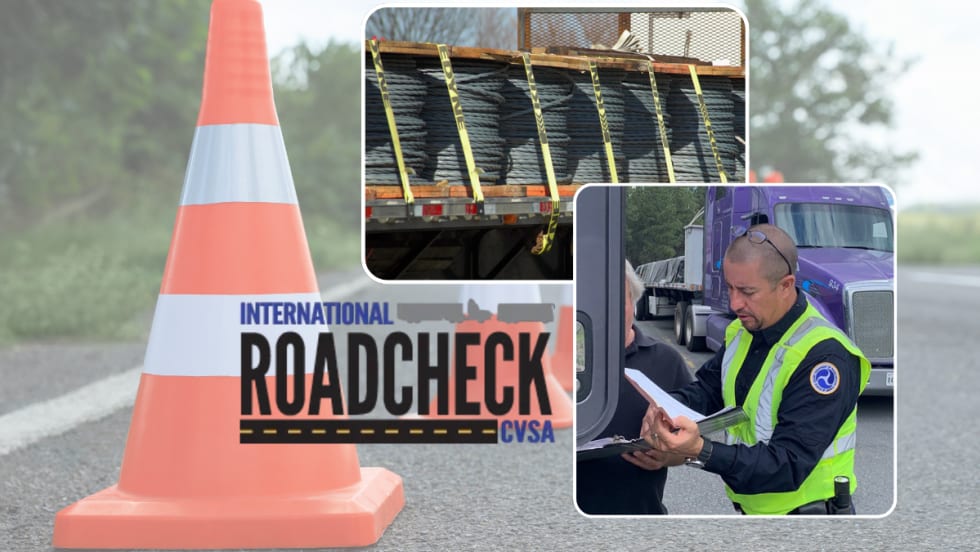
Medical Cards, English Proficiency Reshape Roadcheck Violations
Medical-card violations jumped to the top of the driver out-of-service list during CVSA’s 2026 International Roadcheck, while English-language proficiency violations appeared among the leading violations for the first time.
Read More →
Driver Trust Can Make or Break the Success of Fleet Safety Technology
New Teletrac Navman research suggests that onboarding, transparency about driver data, and positive feedback can play a significant role in how commercial drivers respond to safety and coaching technology.
Read More →
EEOC Sues KLLM Over Alleged Sex Discrimination in Driver Training
KLLM is facing a federal sex-discrimination lawsuit over policies the EEOC alleges put female truck driver trainees at a disadvantage.
Read More →
FMCSA Moves to Codify English Language Requirements for Commercial Drivers
By changing regulations on English-language proficiency requirements for commercial drivers, rather than relying on a guidance memo, the FMCSA said future administrations won't be able to walk back the Trump administration's stricter enforcement with just a memo.
Read More →
Drivers Put Western Star Trucks to the Test at Star Nation Experience
Watch to get an inside look at the Western Star trucks, technology, and community behind the Star Nation Experience 2026!
Read More →
Trump Administration Looks to Put More Veterans Behind the Wheel
The Freedom Haulers program pulls together existing and expanded programs at several federal agencies to recruit veterans to drive commercial heavy-duty trucks and cut the red tape for them to get a CDL, training, and employment.
Read More →
Putting Mack’s Command Steer to the Test
A test drive of Mack’s Command Steer active steering system evaluates how it can make truck driving easier and less tiring.
Read More →
Competition Heating Up for Truck Drivers
New report reveals rising driver hiring costs, the return of sign-on bonuses, growing AI advantages, and the operational factors shaping driver retention.
Read More →