




NTSB Pushes Technology At Truck Safety Hearing
National Transportation Safety Board Chairman Jim Hall is pressing for highway safety to be at the top of the agenda for federal and state governments and the trucking industry. Yesterday, during the first day of a three-day hearing on safety technology for commercial vehicles, he seemed to have some doubts as to whether that is the case
National Transportation Safety Board Chairman Jim Hall is pressing for highway safety to be at the top of the agenda for federal and state governments and the trucking industry. Yesterday, during the first day of a three-day hearing on safety technology for commercial vehicles, he seemed to have some doubts as to whether that is the case.
During testimony from U.S. Department of Transportation officials, Hall and other NTSB panel members hammered DOT representatives for their snail's pace in regard to new safety technology and their reluctance to mandate safety technology. "Instead we must endure years of rulemaking," Hall said. "If we did that with our computers, we'd be in the Dark Ages."
Hall also said that the agency was disappointed that in 1997, the DOT said it had no plans for conducting operational tests of rear-end collision avoidance systems for heavy trucks as NTSB had recommended in 1995. Yet, he notes, U.S. Xpress started using the Eaton VORAD collision warning system in 1996 and reports that its rear-end crashes are down 75%. "The rest of the industry should take notice," Hall said. The hearing will devote an entire afternoon tomorrow to these systems.
"One of the things that seems to be an obstacle is the cost of the technology and who's going to pay for it," Hall said. "People talk about limited funds, but I think the problem is we've limited our priorities when it comes to highway safety."
However, Jack Burkert of Lancer Insurance pinpointed a major obstacle to technology adoption: "In order for technology to take hold, it has to be simple and understood by people who read Reader's Digest, not the Federal Register."
More than once, Hall and other board members referred to NTSB recommendations made as early as 1990 calling for on-board recording devices and the fact that the DOT disregarded that recommendation. On-board recorders and paperless logs were common subjects of questioning. Christine Johnson with the DOT's Intelligent Transportation Systems Joint Program Office told the board that in addition to Werner, which has been testing paperless logs, 20 other companies have applied to test similar technologies.
"It has been a controversial issue, and it has taken time to get people that are willing to test it with us," she said. Chief among the controversial concerns is the privacy issue. A Teamsters representative testified to how union members had been forced to run harder because of the data available to company management from satellite tracking systems. Hall said the board plans next year to convene a symposium dedicated to this concern.
The hearing also includes an exhibit of new truck safety technologies. Freightliner, Mack and U.S. Xpress showcased for government officials and the press trucks equipped with the newest technologies, in some cases prototype systems (pictured).
The public hearing, being held in Nashville through Thursday, is the second of four NTSB hearings on truck safety. The first was held in April and covered a broad range of safety issues, including government oversight. The third will be held in Los Angeles in October and will focus on regulatory issues related to the North American Free Trade Agreement. The fourth will focus on the Commercial Driver's License and medical qualifications.
More Drivers

Trump Administration Looks to Put More Veterans Behind the Wheel
The Freedom Haulers program pulls together existing and expanded programs at several federal agencies to recruit veterans to drive commercial heavy-duty trucks and cut the red tape for them to get a CDL, training, and employment.
Read More →
Putting Mack’s Command Steer to the Test
A test drive of Mack’s Command Steer active steering system evaluates how it can make truck driving easier and less tiring.
Read More →
Competition Heating Up for Truck Drivers
New report reveals rising driver hiring costs, the return of sign-on bonuses, growing AI advantages, and the operational factors shaping driver retention.
Read More →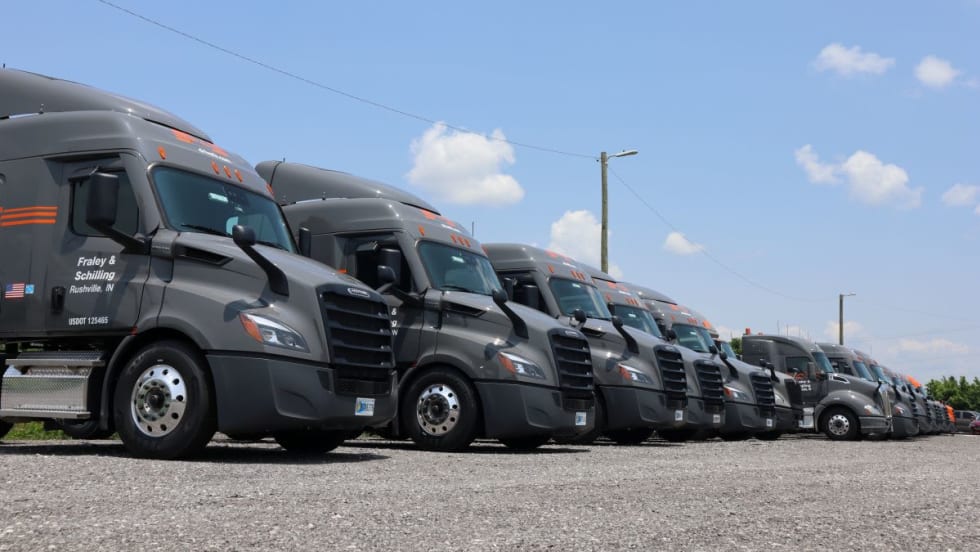
How Fraley & Schilling Improved Logbook Compliance by Over 50%
Fraley & Schilling needed a way to close a compliance workflow gap in its ELD system without adding more work from driver training, reminders, and back-office follow-ups. It found the answer in a custom driver app.
Read More →
Volvo Goes Gaming
Volvo has roared into American Truck Simulator with two new flagship trucks.
Read More →
What the Best Fleets to Drive For Teach About Driver Retention
Survey fatigue, AI-powered routing, owner-operator expectations, and the decline of social media all emerged as themes from this year's Best Fleets to Drive For program.
Read More →
Driver Retention Lessons From the Best Fleets to Drive For
What separates trucking's best workplaces from the rest? Jane Jazrawy shares the biggest lessons from this year's Best Fleets to Drive For program on driver retention, communication, AI, and workforce trends on the HDT Talks Trucking podcast.
Read More →
Farewell, CDL: Why I'm Giving Up My Commercial Driver's License
After more than 20 years as a CDL holder, HDT Executive Editor Jack Roberts is letting his commercial license expire. Not because he wants to — but because trucking's nuclear verdict crisis has made the risks of public-road test drives too great for editors, manufacturers, and everyone involved.
Read More →
How Top Trucking Fleets Improve Driver Retention [Video]
What do healthy snacks, optimized routing, and just picking up the phone have in common? They're all strategies the Best Fleets to Drive For are using to retain truck drivers.
Read More →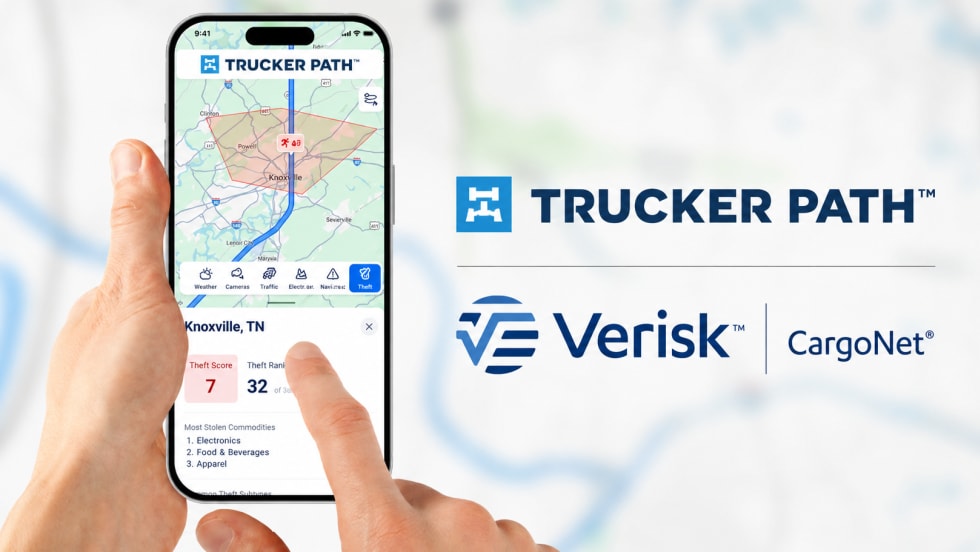
Trucker Path Adds Verisk CargoNet Theft Data to Navigation Platform
Trucker Path’s new cargo theft risk overlays give drivers and fleets visibility into high-risk areas, stolen commodity trends, and theft hotspots.
Read More →