




NTSB Makes Brake Inspection Recommendation
The National Transportation Safety Board made a recommendation to trucking and enforcement officials about air brakes following its investigation of a crash between a school bus and a dump truck
The National Transportation Safety Board made a recommendation to trucking and enforcement officials about air brakes following its investigation of a crash between a school bus and a dump truck.
On Oct. 21, 1999, a school bus on a field trip failed to stop at an intersection. It was hit by a dump truck. Seven bus passengers were seriously injured, 28 bus passengers and the truck driver received minor injuries.
After the accident, a mechanical inspection of the dump truck air brake system revealed the absence of a tractor protection system. This system is required to protect the air supply of the towing vehicle in case of catastrophic failure in the trailer brake system.
The truck had been modified from its original chassis form, adding the dump truck body and a hitch and altering the air brake system so it could tow a trailer with an air brake system.
Commercial Vehicle Safety Alliance inspection procedures for a tractor protection system require the inspectors to instruct the driver to release the vehicle's emergency or parking brakes, exit the vehicle, then disconnect both air lines from the towing vehicle. After both lines are disconnected, the inspector is supposed to check the trailer gladhands for escaping air. A second check is to occur when the air stops flowing from the supply line. The inspector then asks the driver to return to the tractor and apply the service brakes.
In the dump truck involved in the crash, NTSB investigators found that if an inspection skipped the last stop, it would have looked as if the tractor protection valve existed and was operating correctly.
The vehicle underwent as many as 15 separate inspections in its lifetime, and apparently this equipment deficiency was never discovered.
As a result, the NTSB recommended that the Federal Motor Carrier Safety Administration advise its staff, and that the CVSA and The Maintenance Council of the American Trucking Associations advice their members, of the importance of requiring a brake application during inspections of tractor protection systems.
More Safety & Compliance

FDA Eases Path for Oral-Fluid Testing
Federal actions could advance oral-fluid drug testing for truck drivers, but lab certification delays and marijuana rescheduling questions remain.
Read More →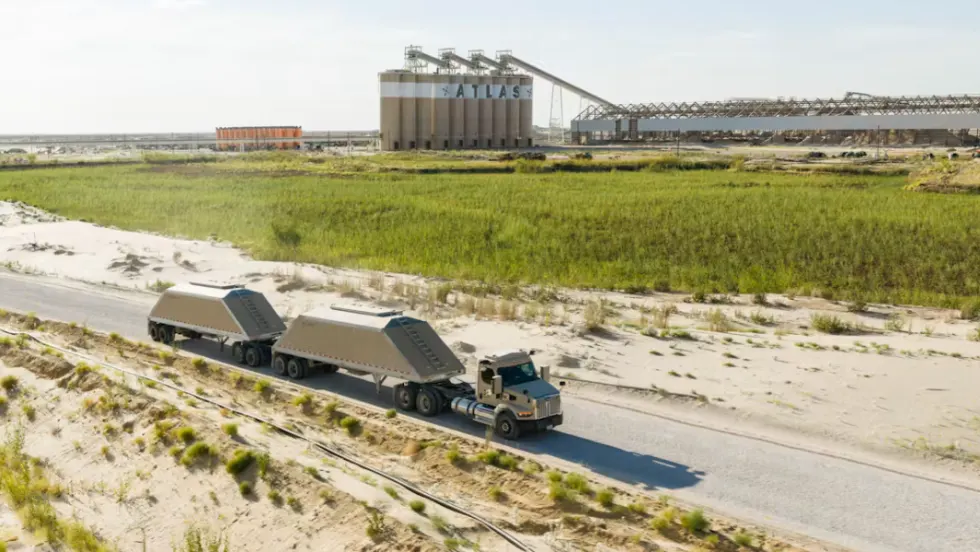
Kodiak Lines Up Fleets for Driverless Trucking
An agreement for 75 trucks, a new Texas freight lane, and progress on safety validation move Kodiak closer to its planned driverless highway launch.
Read More →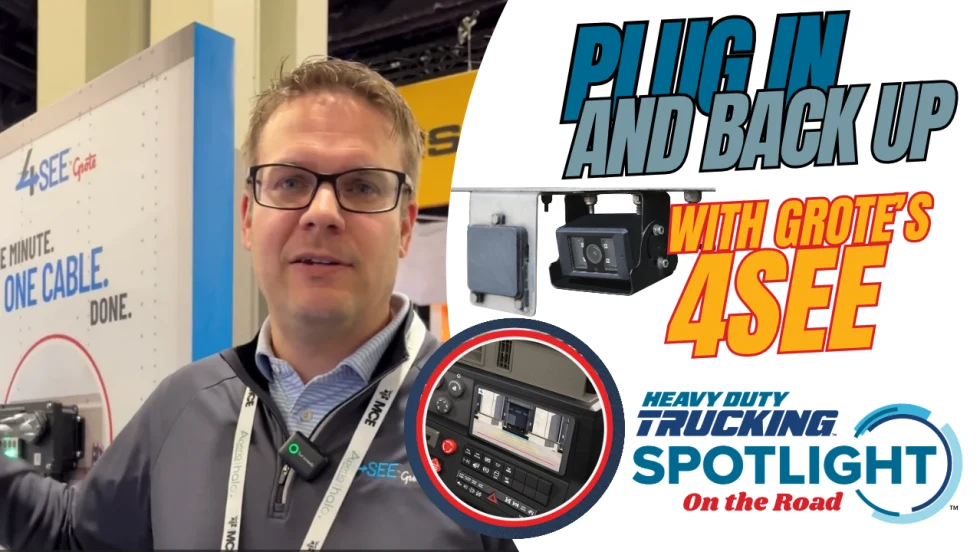
More Trailer Data Through the Same Seven-Way [Video]
Can trucking’s standard seven-way connector handle more cameras and trailer data? Grote’s Adam Slade shows HDT how the company is using new technology with its 4See trailer system, not only to add a new backup camera but also to expand other capabilities — without adding another connection.
Read More →

PrePass Intelligence Mines Fleet Bypass, Toll and Safety Data
PrePass Intelligence helps fleets measure bypass savings, flag potential toll overcharges, and spot suspicious transactions by combining data from separate systems.
Read More →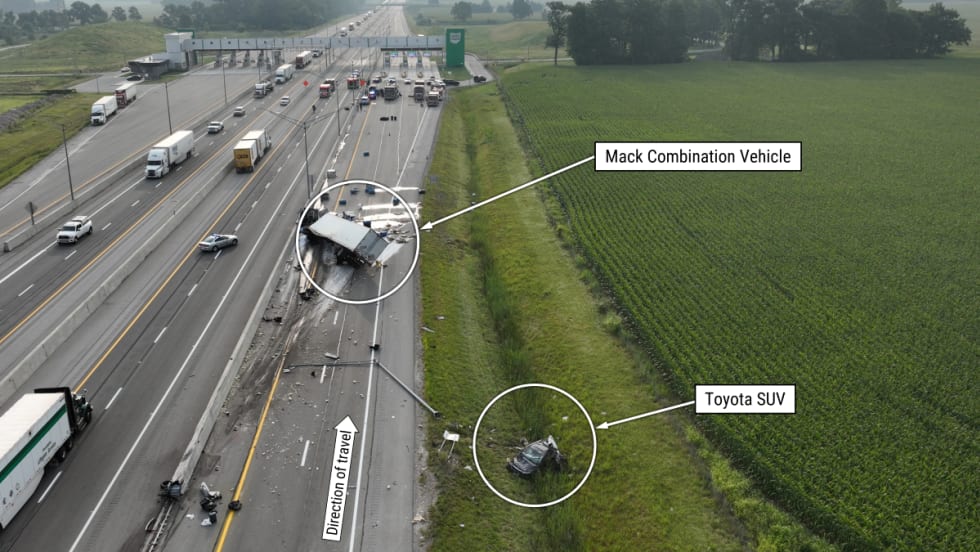
Fatal Crash Exposes Toll Plaza Risks
An NTSB investigation found that last-minute lane changes and large speed differences at an Ohio toll plaza created a hazard the truck driver couldn't avoid in time.
Read More →
When Language Stops the Truck: The Return of ELP Out-of-Service Orders
English language proficiency rules for commercial drivers aren’t new, but renewed out-of-service enforcement has raised the stakes. Here’s what carriers need to know before a driver reaches a roadside inspection.
Read More →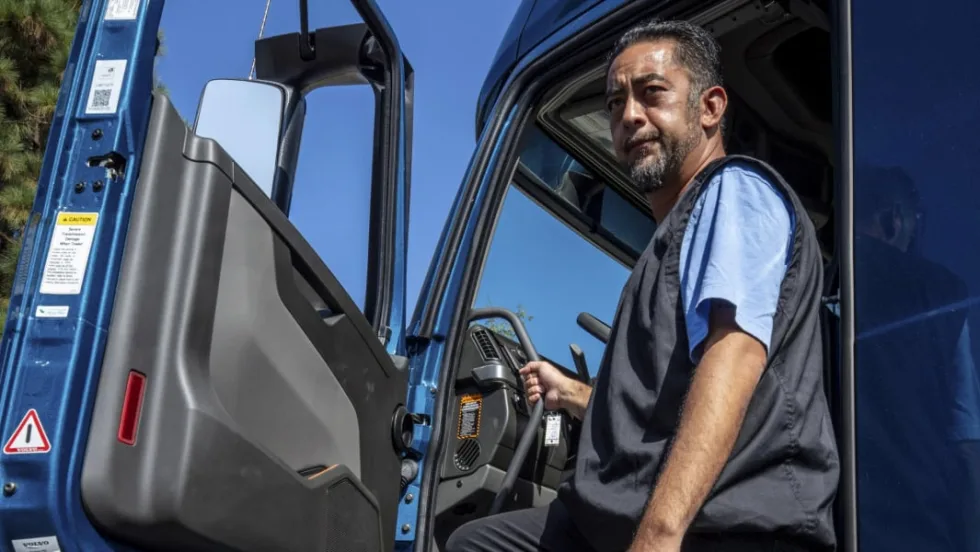
A Camera Isn't a Safety Program. Here's What Brokers Are Screening for Now
Footage alone may not be enough to pass broker vetting processes. Here's what counts as a defensible safety program now.
Read More →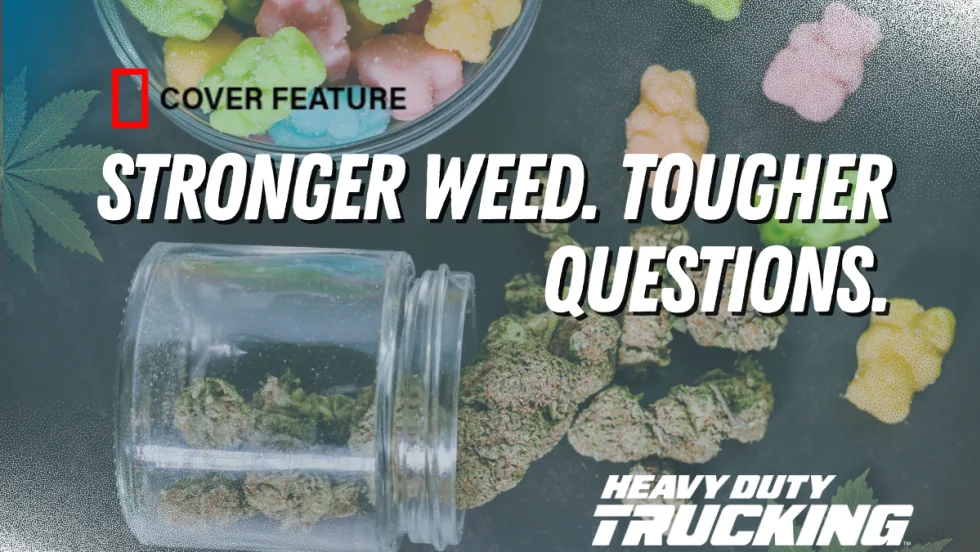
Marijuana and Trucking’s Drug-Testing Dilemma
Marijuana is getting stronger, laws are changing, and drug tests still can’t reliably establish impairment. What does that mean for truck drivers and the fleets that employ them?
Read More →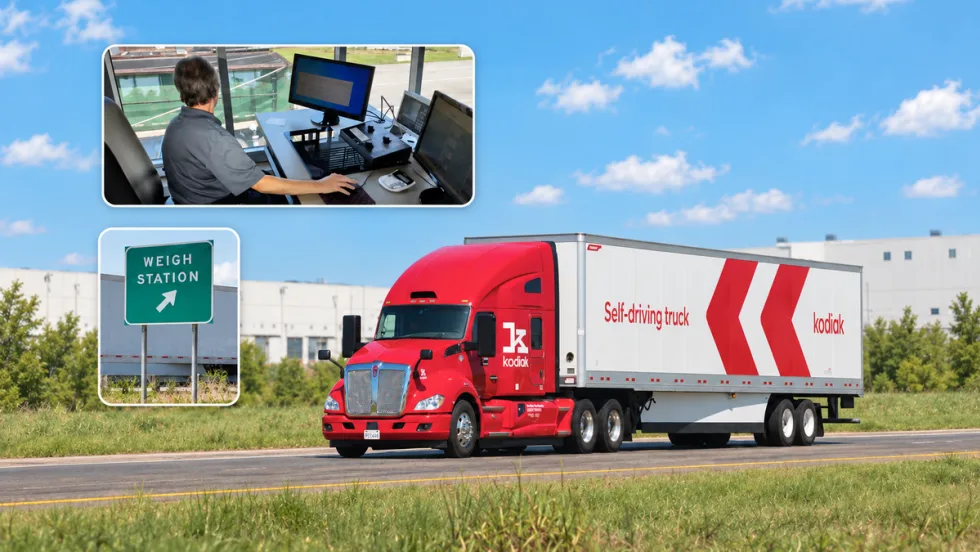
PrePass, Kodiak Connect Driverless Trucks to Roadside Enforcement
The system will allow enforcement agencies to verify Enhanced Inspection information and decide whether Kodiak’s autonomous trucks can bypass roadside screening sites.
Read More →
From One Generation to the Next: How Mentorship Builds Safer Truck Drivers
After three decades in trucking, Harold Perry shares what he's learned about driver safety, mentorship, and helping the next generation build confidence behind the wheel.
Read More →