




Not Using PSP Could Be 'Huge Mistake'
At a time when we're dealing with more acronyms than ever from the U.S. Department of Transportation - CSA 2010, HOS, EOBRs - there's one that may be getting overlooked: PSP, or pre-employment screening program
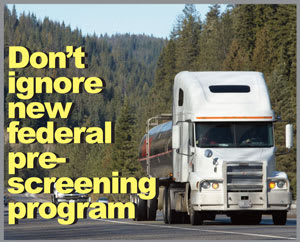
At a time when we're dealing with more acronyms than ever from the U.S. Department of Transportation - CSA 2010, HOS, EOBRs - there's one that may be getting overlooked: PSP, or pre-employment screening program.
The trucking industry lobbied for eight years to get the DOT to open its databases and let trucking companies take a peek at the roadside inspection histories of prospective drivers. But now that it's here, you'd better figure out the best way to make use of that data. Otherwise, a clever plaintiff's attorney could make a case that you should have been.
That was the message Sunday of Rob Moseley, a partner specializing in trucking with Smith Moore Leatherwood LLP, during an educational session at the American Trucking Associations' annual management conference in Phoenix.
"If you choose not to use the PSP, you're making a huge mistake," Moseley said. "Because the PSP is available to you, and everything that's available to you today will eventually be available to the lawyer who sues you."
Under the PSP, carriers can get a report on a prospective driver much like a motor vehicle report. Only instead of telling you how many speeding tickets and other moving violations the driver has had, it will tell you about roadside inspection data, such as hours of service violations, overweight violations, equipment violations.
DIGGING INTO THE DATA
One challenge with the data, however, is you can't look at the report and tell whether a violation is the driver's fault or whether it's his prior employer's fault. "Is the overweight ticket because the company gave him a load that was too heavy, or because the driver was too lazy to move the axle," Moseley asks. "Is the equipment violation because the company didn't maintain its equipment, or did the driver not tell the company he's been driving for six weeks with a light out?"
Another challenge is that your company must come up with new standards for hiring that take into account this data -- just like you might have a standard that you won't hire a driver who has more than X tickets in X years on his MVR.
"You're going to have the wrestle with the PSP and figure out what it means to your company," Moseley said. In fact, it's likely that access to the PSP will mean more work, not less, as you order more reports to try to uncover the truth behind the violations.
FAIR CREDIT REPORTING
Another PSP issue is that it is covered by the Fair Credit Reporting Act. Not only do you have to get consent on the front end from the potential employee to check their PSP (must as you do now for MVRs), but you also are required to take another step on the back end if your use of that data causes you to not hire the driver, or to hire him on some sort of provisional basis, require him to have remedial training, that kind of thing.
It's called an adverse determination notice, and it needs to tell the applicant about the adverse action, give him information about the PSP and how he can get that information and if he desires contest the data. Carriers already are supposed to be doing this for MVRs, Moseley said, but it's often overlooked. He believes with PSPs it could be more of a land mine.
"This could be a cottage industry for suing trucking companies for not complying with the Fair Credit Reporting Act."
THE BAD APPLES
Moseley believes the PSP will do even more to weed out the "bad apple" drivers in the industry than CSA 2010, the Federal Motor Carrier Safety Administration's new enforcement regime.
There also will be implications for a carrier's insurance policies, although not immediately. "Underwriters are not looking at PSP right now," he said. "They will, but underwriters are generally slow to pick up on what's happening in the current market. They're just now starting to understand SafeStat," the analysis system being replaced under the CSA 2010 initiative.
For more on the PSP, see "FMCSA Opens Pre-Employment Screening Program," 5/12/2010, or go to the FMCSA's PSP page at www.psp.fmcsa.dot.gov.
More Drivers
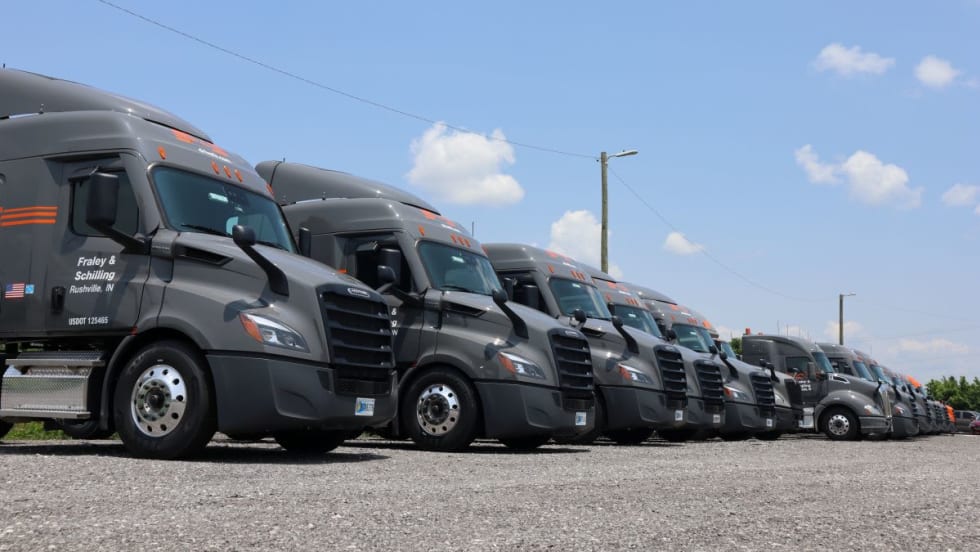
How Fraley & Schilling Improved Logbook Compliance by Over 50%
Fraley & Schilling needed a way to close a compliance workflow gap in its ELD system without adding more work from driver training, reminders, and back-office follow-ups. It found the answer in a custom driver app.
Read More →
Volvo Goes Gaming
Volvo has roared into American Truck Simulator with two new flagship trucks.
Read More →
What the Best Fleets to Drive For Teach About Driver Retention
Survey fatigue, AI-powered routing, owner-operator expectations, and the decline of social media all emerged as themes from this year's Best Fleets to Drive For program.
Read More →
Driver Retention Lessons From the Best Fleets to Drive For
What separates trucking's best workplaces from the rest? Jane Jazrawy shares the biggest lessons from this year's Best Fleets to Drive For program on driver retention, communication, AI, and workforce trends on the HDT Talks Trucking podcast.
Read More →
Farewell, CDL: Why I'm Giving Up My Commercial Driver's License
After more than 20 years as a CDL holder, HDT Executive Editor Jack Roberts is letting his commercial license expire. Not because he wants to — but because trucking's nuclear verdict crisis has made the risks of public-road test drives too great for editors, manufacturers, and everyone involved.
Read More →
How Top Trucking Fleets Improve Driver Retention [Video]
What do healthy snacks, optimized routing, and just picking up the phone have in common? They're all strategies the Best Fleets to Drive For are using to retain truck drivers.
Read More →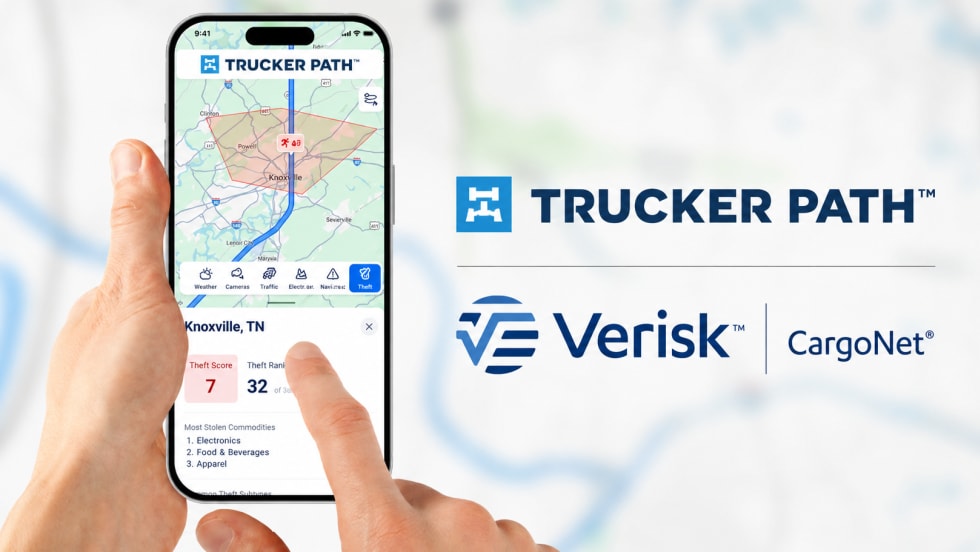
Trucker Path Adds Verisk CargoNet Theft Data to Navigation Platform
Trucker Path’s new cargo theft risk overlays give drivers and fleets visibility into high-risk areas, stolen commodity trends, and theft hotspots.
Read More →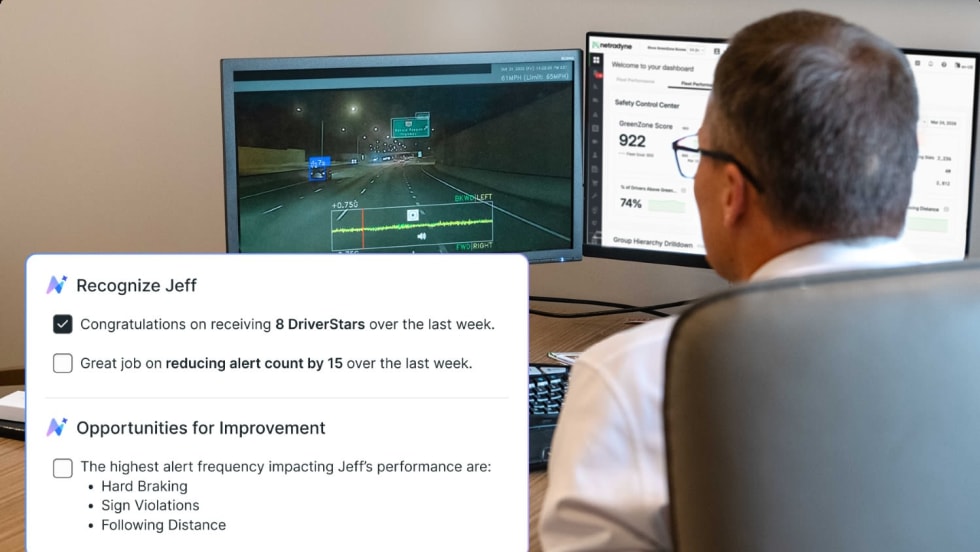
Netradyne Intelligence Uses New AI Agents to Automate Response to In-Cab Camera Data
The company called the next-generation in-cab camera safety platform "a fundamental shift from systems that report on what happened to systems that actively drive what should happen next."
Read More →
Why Truck Detention Keeps Costing Fleets Time and Money
A 2024 ATRI study found detention affects nearly 40% of truckload stops and costs the industry more than $15 billion annually. Despite the toll on drivers, fleets, and supply chains, the problem remains stubbornly persistent.
Read More →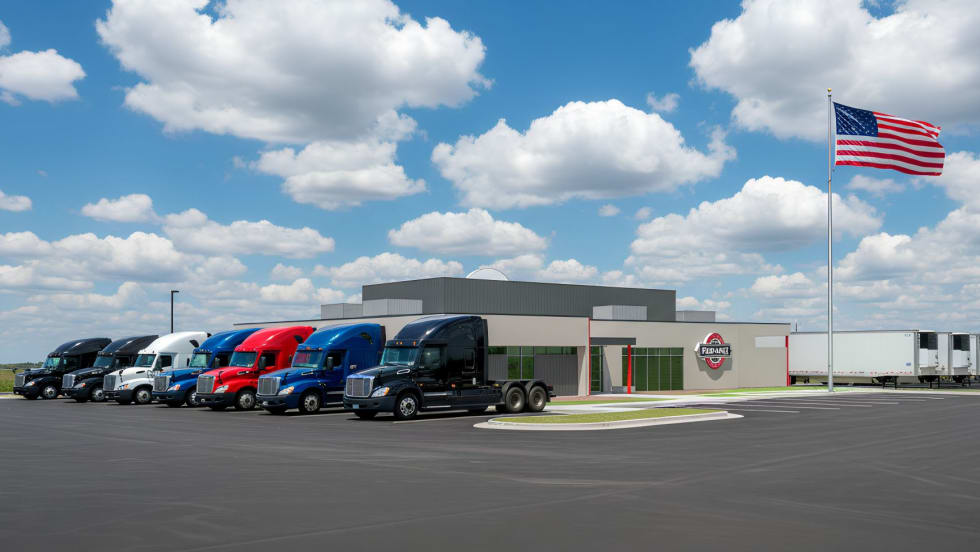
Prime Inc. to Open $7.9M Flagship Used-Truck Dealership
A new driver-focused facility to sell Prime Inc's used trucks and trailers will be the first purpose-built location in the company's history.
Read More →