




North America DEF Demand Approaching 1 Billion Gallons
Consumption of diesel exhaust fluid across North America has been rising in recent years and is set to hit a milestone of one billion gallons by 2019, according to the newly published DEF Market Dynamics Report by Integer Research.
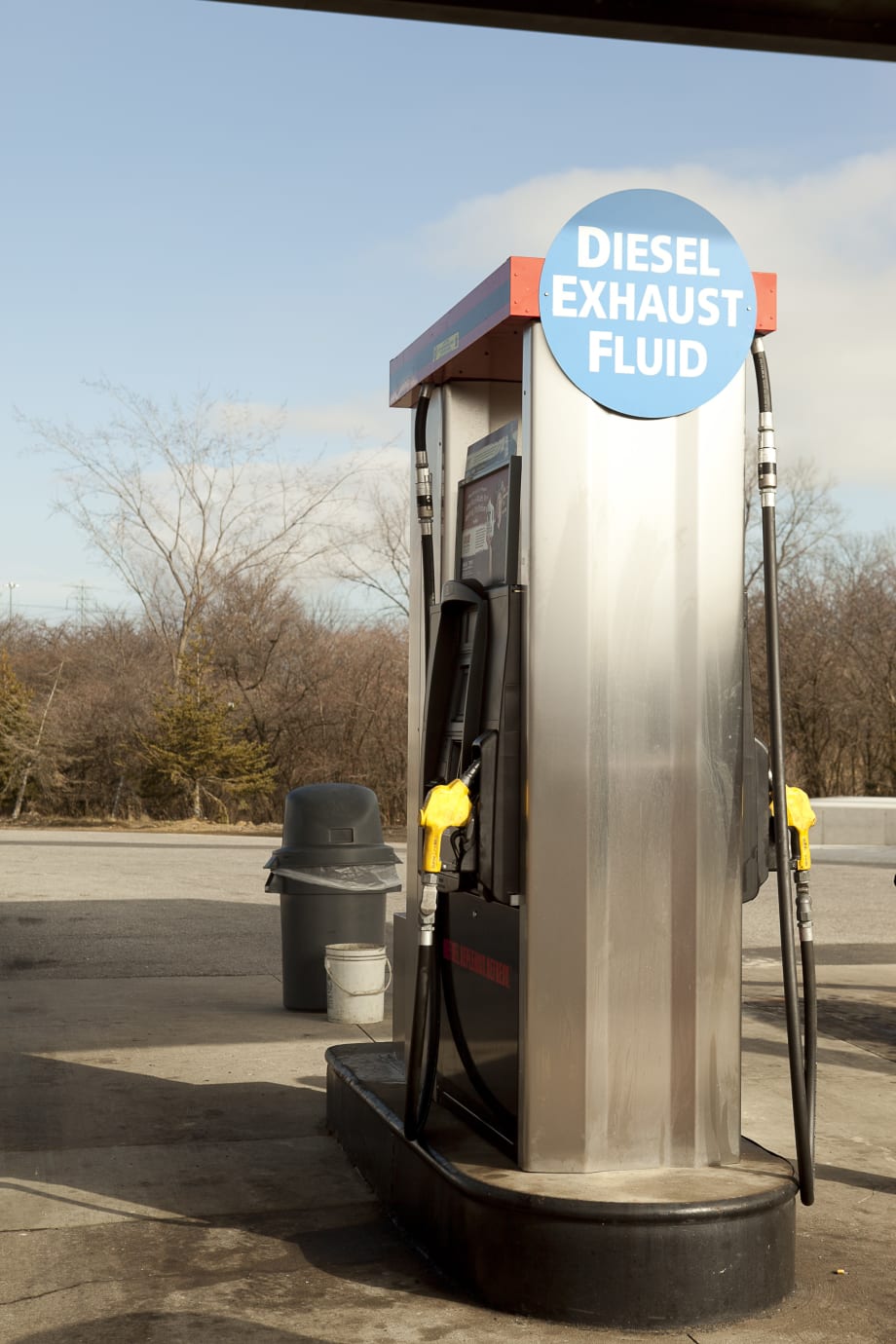
Consumption of diesel exhaust fluid across North America has been rising in recent years and is set to hit a milestone of one billion gallons by 2019, according to the newly published DEF Market Dynamics Report by Integer Research.
The rise of selective catalytic reduction, an after-treatment emissions technology that requires the use of diesel exhaust fluid to reduce harmful NOx emissions, is driving DEF demand in a rapidly expanding North American market that is now almost unrecognizable from just four years ago when DEF was in its infancy, according to the report.
As demand races ever higher, there has been a shift in supply of the fluid from jugs and drums to larger bulk deliveries, and a tremendous increase in DEF truck stop locations. The report said the number of DEF pump locations across North America has tripled in two years from 550 in mid-2012 to over 1,700 by June 2014.
The report details how certain supply modes have been following diverse pricing patterns since the start of the market. For example, DEF prices from truck stops have remained largely stable over the last two years, whereas bulk sales are much more volatile and dependent on urea prices and on the level of competition in a specific area.
In 2010, U.S. Environment Protection Agency stringent emission standards took effect, which prompted most of the medium and heavy-duty truck market to deploy SCR in their new engines. All truck engine makers later adopted the technology.
“Our research shows that heavier trucks are by far the main drivers of DEF consumption in the region, however, the light-duty and passenger car sector, as well as the off-highway sector, are adding to demand and we estimate overall consumption of DEF across North America to hit one billion gallons in 2019,” said Fabricio Cardoso, editor of the report.
Pickup trucks, sport utility vehicles and other diesel passenger cars and light-duty commercial vehicles are increasingly taking up SCR, meaning that the requirement for DEF across these sectors is also rising, according to the report. The diesel market for passenger cars in North America is still marginal compared to gasoline engines, but is rapidly expanding.
Another important sector consuming more and more DEF is off-highway equipment used in the agricultural, construction, forestry and mining industries. Strict emission requirements for these machines have led to OEMs taking a similar approach to the truck market and making SCR the after-treatment technology of choice.
The findings of Integer’s DEF Market Dynamics Report reveal that DEF consumption from off-highway equipment is also likely to increase at a faster pace from 2017 onwards,
As well as examining DEF demand, The DEF Market Dynamics Report analyses the existing supply chain in North America, listing the different types of producers, distributors and retailers. It also assesses the competitiveness of domestic urea producers to deliver DEF to the main consumption markets or to supply concentrated urea solution to a dilution plant, in comparison to the available imported options.
A copy of the report is available from Integer Research.
More Fuel Smarts
Trucking’s Diesel Squeeze Isn’t Letting Up
With diesel topping $6 a gallon nationally, ATA's Bob Costello explains why fleets should prepare for continued pressure at the pump.
Read More →
FlowBelow Redesigns Trailer AeroSlider to Cut Fuel Use
The lighter trailer aerodynamic system installs in less than 45 minutes, according to the company, with potential payback in under a year depending on fuel prices and trailer mileage.
Read More →
Why Diesel Price Relief Efforts May Fall Short
Diesel prices have eased from September’s record high, but doubts about additional Russian supply and limits on dyed-diesel tax relief mean trucking fleets still face expensive fuel. And prices could go higher.
Read More →
Why Small Fuel Savings Matter in Trucking
Can better fuel economy help pay for driver raises? In this podcast, GP Transco explains how small efficiency gains create room to reinvest in its people.
Read More →
How GP Transco Cuts Trucking Fuel Costs, a Tenth of a Gallon at a Time
What’s another tenth of a mile per gallon worth? GP Transco shares how equipment upgrades and driver coaching turn small gains into meaningful fuel savings.
Read More →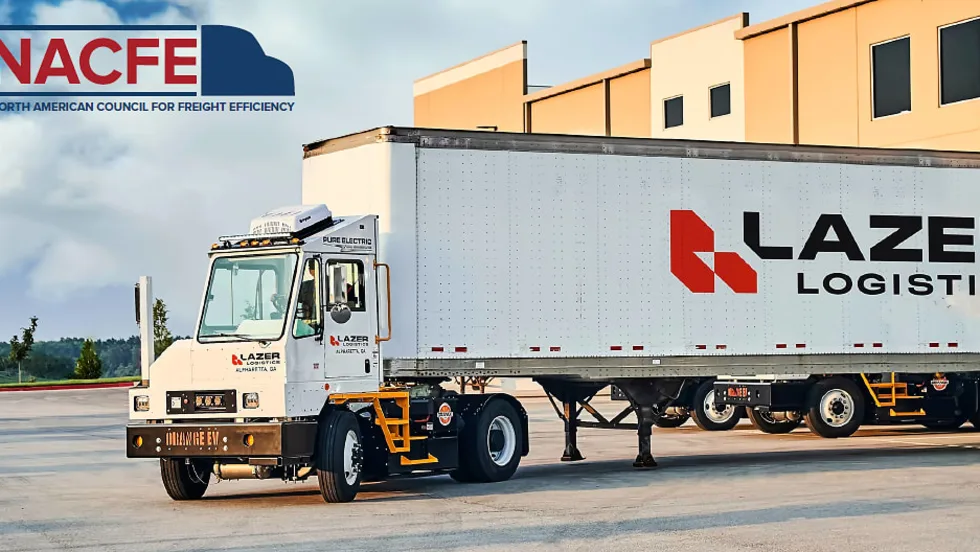
Electric Yard Tractors Move Beyond Pilots
Operating-cost savings have overtaken sustainability goals as the leading reason surveyed fleets are adopting battery-electric terminal tractors, according to new NACFE research.
Read More →
Geotab Links Fleet Card to Vehicle Data
The new card combines fuel discounts with telematics-based purchase controls. Geotab’s analysis also points to potential savings from choosing lower-priced fuel stops.
Read More →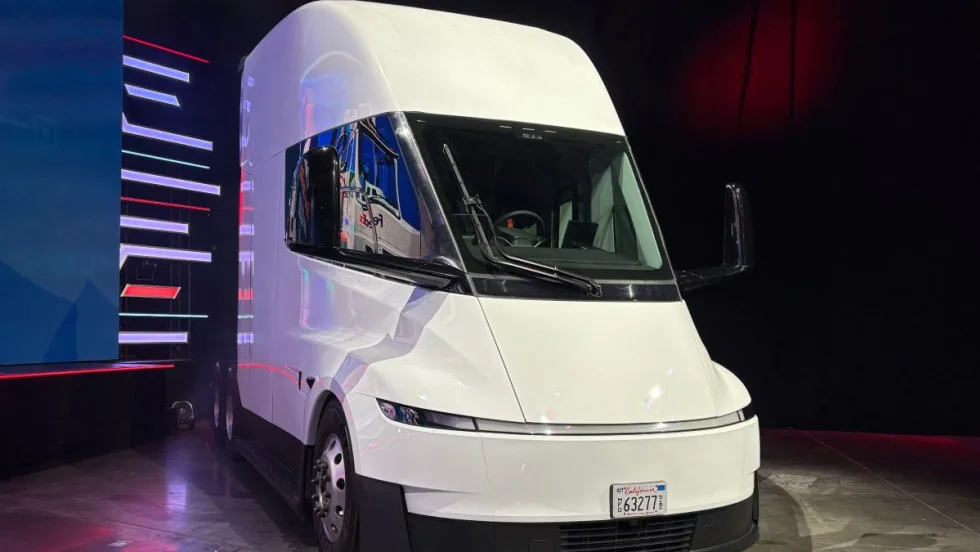
Fleet Economics Shape Electric Truck Outlook
ACT Research expects costs, charging infrastructure, and technology improvements to drive zero-emission commercial vehicle adoption as federal regulations and incentives retreat.
Read More →
Wex Adds Cardless Fuel Payments for Over-the-Road Customers
A new fuel card feature for Wex customers offers convenience and security.
Read More →
New California Law Could Shed Light on Electric Truck Prices
Why do battery-electric Class 8 trucks remain so expensive? A California bill signed by Gov. Gavin Newsom would give fleets and state agencies more visibility into what manufacturers charge.
Read More →