




NHTSA Announces Public Hearing on Proposed Stability Control Systems Rule
The Department of Transportation's National Highway Traffic Safety Administration has announced a public hearing on the proposed rule for heavy vehicle electronic stability control systems
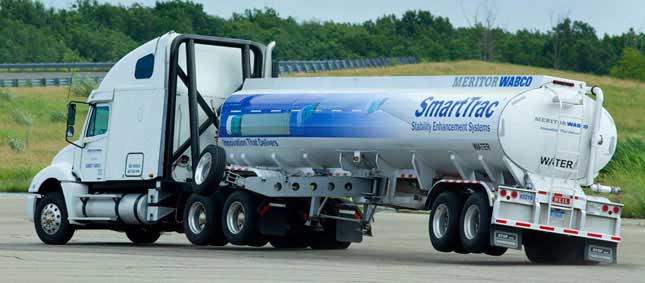
The Department of Transportation's National Highway Traffic Safety Administration has announced a public hearing on the proposed rule for heavy vehicle electronic stability control systems.
The July 24 hearing will take place from 10 a.m. to 1 p.m. at the U.S. Department of Transportation in Washington, D.C., West Building Ground Floor, Media Center - Room W11-130, 1200 New Jersey Ave. SE. Depending on the number of presenters, the hearing may continue beyond 2 p.m..
This follows a published a notice of proposed rulemaking by NHTSA on May 23
requiring truck tractors and certain large buses with a gross vehicle weight rating of greater
than 26,000 pounds to be equipped with an electronic stability control system.
Heavy-vehicle ESC systems use engine torque control and computer-controlled braking of individual wheels to assist the driver in maintaining control of the vehicle in situations in which the vehicle is becoming roll unstable (such as excessive speed in a curve) or is experiencing a loss of control (the vehicle deviates from the driver's intended path due to oversteer or understeer).
The five major topics that are discussed in the NPRM include:
- The size of the safety problem related to truck tractor and large bus ESC systems
- How electronic stability control systems work to prevent rollover and loss of control
- The research and testing that were separately conducted by NHTSA and the industry to
evaluate the potential safety benefits of ESC and to develop dynamic vehicle test
maneuvers to evaluate ESC performance
- The specifics of the agency's proposal, including ESC equipment and performance
criteria, vehicle compliance testing requirements and the implementation schedule
- The benefits and costs of the proposal, as described in the NPRM and in the agency's
Preliminary Regulatory Impact Analysis that is included in the docket.
NHTSA says each speaker will have approximately 10 minutes. Speakers are asked to bring three copies of their statement or other material to the hearing for the NHTSA panel. Blocks of time will be reserved for anyone else in the audience who wishes to give an oral presentation. The testimony provided at the public hearing will be transcribed and placed in the docket for this rulemaking.
NHSTA will arrange for a written transcript of the hearing, and attendees may make arrangements to receive a copy of the transcript directly from the court reporter at the hearing.
Presenters wishing to provide supplementary information should submit it for written comments by Aug. 21. There will be a panel of agency officials who may ask clarifying questions during the oral presentations, but the panel will not respond to the presentations at that time.
Written statements and supporting information submitted during the comment period will be considered with the same weight as oral comments and supporting information presented at the public hearing.
Submit comments on the agency's proposal to Docket No. NHTSA-2012-0065 by any of the following methods:
- Federal eRulemaking Portal: Go to www.regulations.gov. Follow the online
instructions for submitting comments.
- Mail: Docket Management Facility: U.S. Department of Transportation,
1200 New Jersey Avenue SE., Docket Operations M-30, Room W12-140, Washington, D.C.
20590-0001.
- Hand Delivery or Courier: 1200 New Jersey Avenue SE., Docket Operations M-30,
Room W12-140, Washington, D.C. 20590, between 9 a.m. and 5 p.m. eastern, Monday
through Friday, except Federal Holidays.
- Fax: 202-493-2251.
NHSTA asks that presenters ensure comments include the docket number in the subject line or heading. All comments will be posted without change to www.regulations.gov.
Related Stories:
Major Trucking Players React Positively to NHTSA's Stability Control Proposal
Building Safer Trucks
The Feds' Safety Wish List
More Drivers

EEOC Sues Texas Trucking Company Over Driver Age Limits
The agency says Trancasa USA rejected applicants over 65 and applied tougher driving-record standards to those over 60.
Read More →
Nussbaum, Roehl Announce Second Driver Pay Increase This Year
This year has seen a swath of major truck driver pay increases as freight capacity has tightened.
Read More →
From One Generation to the Next: How Mentorship Builds Safer Truck Drivers
After three decades in trucking, Harold Perry shares what he's learned about driver safety, mentorship, and helping the next generation build confidence behind the wheel.
Read More →
Truck Drivers Need More Than Another Alert
Fleets have more visibility into truck health, safety events, and driver activity than ever. The next challenge is turning all that information into useful guidance for the person who has to decide what to do next.
Read More →
FMCSA Removes 110 Truck Driver Training Schools from Certified ELDT List
Federal regulators also are targeting more than 160 additional training providers and launching a nationwide audit of third-party CDL skills testers as part of a broader crackdown on trucking fraud.
Read More →
Hours of Service Pilot Programs: FMCSA Readies for 2027 Rollout
Two pilot programs could eventually reshape hours-of-service rules, giving truck drivers options to pause their 14-hour clock or use longer split sleeper rest periods.
Read More →
Medical Cards, English Proficiency Reshape Roadcheck Violations
Medical-card violations jumped to the top of the driver out-of-service list during CVSA’s 2026 International Roadcheck, while English-language proficiency violations appeared among the leading violations for the first time.
Read More →
Driver Trust Can Make or Break the Success of Fleet Safety Technology
New Teletrac Navman research suggests that onboarding, transparency about driver data, and positive feedback can play a significant role in how commercial drivers respond to safety and coaching technology.
Read More →
EEOC Sues KLLM Over Alleged Sex Discrimination in Driver Training
KLLM is facing a federal sex-discrimination lawsuit over policies the EEOC alleges put female truck driver trainees at a disadvantage.
Read More →
FMCSA Moves to Codify English Language Requirements for Commercial Drivers
By changing regulations on English-language proficiency requirements for commercial drivers, rather than relying on a guidance memo, the FMCSA said future administrations won't be able to walk back the Trump administration's stricter enforcement with just a memo.
Read More →