




New York Proposes Banning Through Trucks from Some Highways
New York Gov. David Paterson yesterday announced proposed new trucking regulations for New York State which would restrict large trucks from using seven highways as shortcuts, drawing fire from the state trucking association head for the "terrible decision.
New York Gov. David Paterson yesterday announced proposed new trucking regulations for New York State which would restrict large trucks from using seven highways as shortcuts, drawing fire from the state trucking association head for the "terrible decision."
Subject to criteria prescribed by federal law, the NYSDOT has evaluated 64 state highways and identified seven on which access to large trucks should be restricted. Each day, nonlocal
trucks, many hauling municipal garbage, leave the interstates and cut through towns across the Finger Lakes and Central New York.
"These proposed regulations strike an appropriate balance between the safety concerns of Finger Lakes residents and those of the trucking industry," Paterson said.
Kendra Adams, executive director of the New York State Motor Truck Association, did not agree and predicted it would harm the region's economy.
"In taking this action, the administration ignored the pleas of virtually every major business, agricultural and retail group in New York," Adams said in a statement. "Led by the Motor Truck Association, these groups provided detailed information to the Governor's office showing that the action would drive up transportation costs and eliminate thousands of jobs in the upstate region. The administration did not dispute this information. In fact, the administration acknowledged the potential job loss, but insisted that it would be limited to just one sector - the trucking industry."
Adams pointed out that these roads have always been used by commercial vehicles and are essential to the industries that form the backbone of the regional economy, especially agriculture and forest products, and the entire retail sector.
"The people who benefit from this policy are wealthy people who own second homes in the
Finger Lakes and who think truck traffic is an annoyance. These are the people the
administration appears to care most about, not working families."
The governor also announced the creation of the Trucking Industry and Community Relations Task Force, which will make recommendations on the proposed regulations, monitor the implementation of trucking regulations when approved, evaluate their effectiveness and recommend potential improvements. Department of Transportation Acting Commissioner Stanley Gee will chair the task force.
The seven highways from which large trucks will be excluded, except for local pick-up and delivery, include:
* N.Y. Route 41 between U.S. Route 11 and US Route 20 in Cortland and Onondaga counties
* N.Y. Route 41A between NY Route 41 and US Route 20 in Cortland, Cayuga, and Onondaga counties
* N.Y. Route 90 between U.S. Route 11 and US Route 20 in Cortland and Cayuga counties
* N.Y. Route 38 between NY Route 90 and the southern Auburn City line in Cayuga county
* N.Y. Route 79 between U.S. Route 11 and the eastern Ithaca City line in Broome, Tioga and Tompkins counties
* N.Y. Route 89 between the western Ithaca City line and US Route 20 in Tompkins and Seneca counties
* N.Y. Route 96 between the western Ithaca City line and NY Route 414 and between NY Route 414 and U.S. Route 20 in Tompkins and Seneca counties.
The regulations will be officially published in the State Register for a 45 day review period. The draft regulations are available at the DOT web site, www.nysdot.gov/programs/truckpolicy.
More Drivers
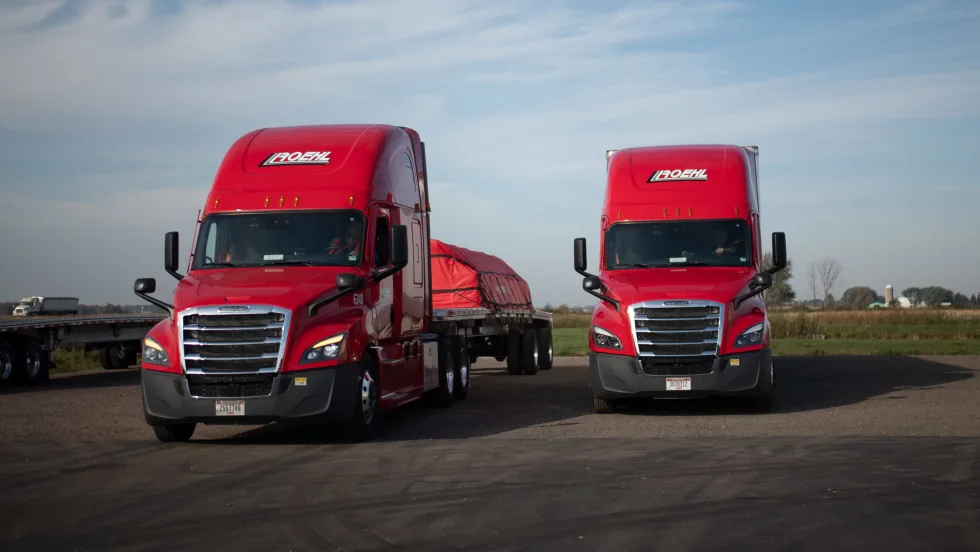
Roehl Offers Truck Drivers $10,000 Retention Incentive
Payments begin after the first load and continue in mileage-based installments for eligible experienced drivers joining the fleet.
Read More →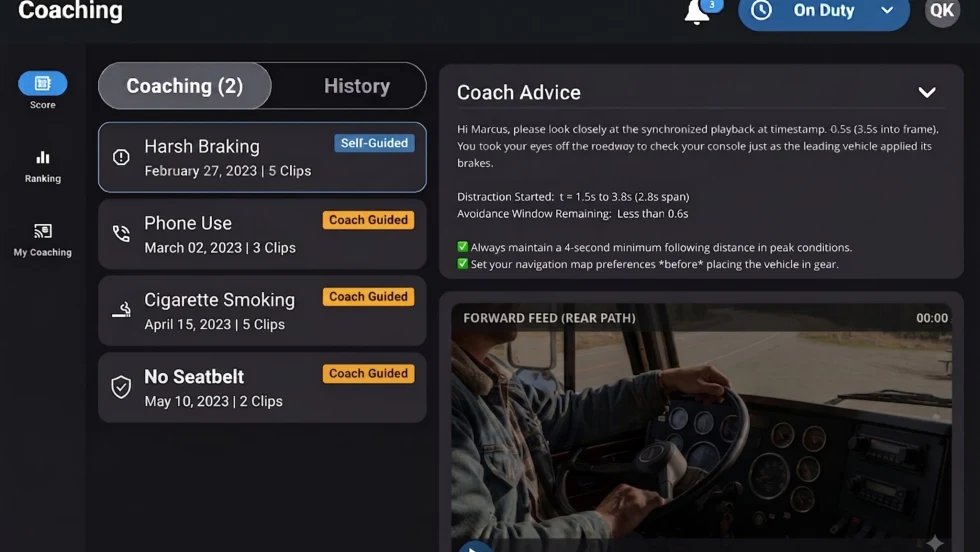
Platform Science Adds Dispatch and Safety Tools
Four additions to PS Fleet help fleets monitor loads, manage driver coaching, share truck locations and adjust video system settings.
Read More →
When Language Stops the Truck: The Return of ELP Out-of-Service Orders
English language proficiency rules for commercial drivers aren’t new, but renewed out-of-service enforcement has raised the stakes. Here’s what carriers need to know before a driver reaches a roadside inspection.
Read More →
Samsara Launches Custom AI Agent Builder
Agent Studio lets fleets create AI tools for hours-of-service monitoring, reporting and driver support, including agents that communicate by phone.
Read More →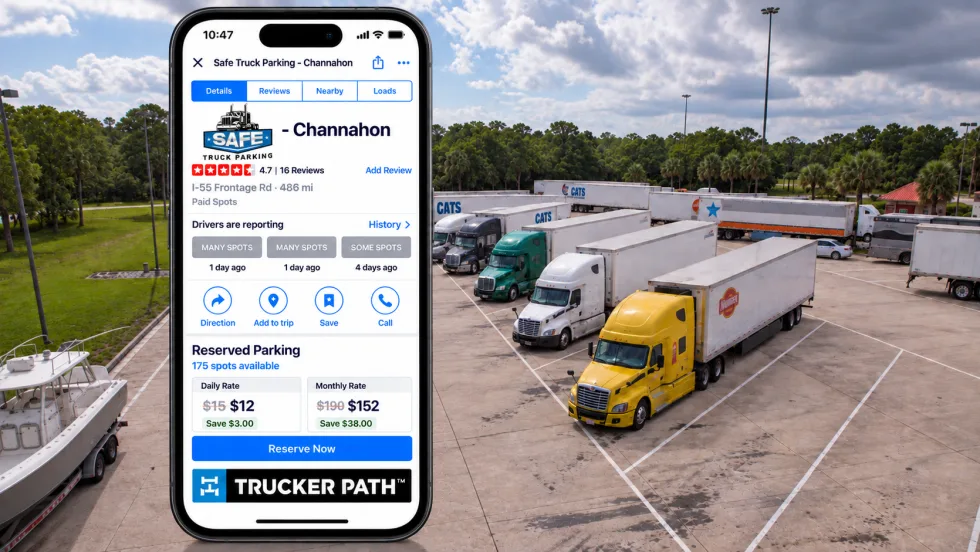
Trucker Path Expands Reserved Parking Network
Trucker Path has added close to 6,000 more truck parking spaces to its Trucker Path Reserved Parking Network with the addition of Safe Truck Parking.
Read More →
EEOC Sues Texas Trucking Company Over Driver Age Limits
The agency says Trancasa USA rejected applicants over 65 and applied tougher driving-record standards to those over 60.
Read More →
Nussbaum, Roehl Announce Second Driver Pay Increase This Year
This year has seen a swath of major truck driver pay increases as freight capacity has tightened.
Read More →
From One Generation to the Next: How Mentorship Builds Safer Truck Drivers
After three decades in trucking, Harold Perry shares what he's learned about driver safety, mentorship, and helping the next generation build confidence behind the wheel.
Read More →
Truck Drivers Need More Than Another Alert
Fleets have more visibility into truck health, safety events, and driver activity than ever. The next challenge is turning all that information into useful guidance for the person who has to decide what to do next.
Read More →
FMCSA Removes 110 Truck Driver Training Schools from Certified ELDT List
Federal regulators also are targeting more than 160 additional training providers and launching a nationwide audit of third-party CDL skills testers as part of a broader crackdown on trucking fraud.
Read More →