




New Study May Help Drivers Meet Their Blood Pressure Goals
Achieving and maintaining a healthy blood pressure is important not just for a driver's well-being, but is also essential for maintaining a commercial driver’s license.
Achieving and maintaining a healthy blood pressure is important not just for a driver's well-being, but is also essential for maintaining a commercial driver’s license.
According to the Federal Motor Carrier Safety Regulations Rules and Regulations (part 391.41(b)(6)), “A person is physically qualified to drive a commercial motor vehicle if that person has no current clinical diagnosis of high blood pressure likely to interfere with the ability to operate a commercial motor vehicle safely.”
High blood pressure increases your risk of heart attack, heart failure, stroke and kidney disease. One of the most dangerous aspects of high blood pressure is that there are generally no symptoms. Regularly monitoring your blood pressure can help you and your healthcare provider make appropriate changes, and keep you on the road. However, the unique lifestyle of a driver can make it difficult to manage high blood pressure.
To help address this issue, a new research study being led by the University of Minnesota College of Pharmacy, Duluth, is evaluating how pharmacist-provided medication management may affect blood pressure control.
Medication management involves meeting with a pharmacist who will work with you and your health care team to ensure that there is a reason you are taking all of your medications, each of your medications is effective, they are not causing harmful side effects or drug interactions, and that you are able to take your medications correctly. The researchers have partnered with Halvor Lines trucking company in Superior, Wisc., to identify drivers already diagnosed with high blood pressure to participate in the yearlong study.
“We aim to see if pharmacists can help drivers lower their blood pressure and maintain their CDLs. Previous research shows that participating in medication management with a pharmacist improves health outcomes and saves medical costs,” said Keri Hager, a pharmacist and assistant professor at the University who leads the study.
Study participants are split in two groups: one group that follows their usual care and reports their blood pressure measurements throughout the study, and a second group that meets with a pharmacist specially trained in medication management at least every four months or more frequently if necessary. The pharmacist works with the driver’s physician to make any necessary changes to medications or lifestyle to achieve individual health goals. Participation in the study and information collected from drivers is kept strictly confidential.
“Previous studies have shown that patients benefit from individualized consultation with pharmacists – whether it’s by the pharmacist recommending a change in dose or product to help the patient achieve their health goals or to reduce side effects or improve effectiveness. In this study, we’re trying to understand if drivers with high blood pressure benefit from increased monitoring and education from pharmacists, which ultimately could help drivers keep their blood pressures at goal,” said Hager.
Researchers are also hoping to learn how patients prefer to receive services from an MTM pharmacist. Participants selected to meet with pharmacists decide if they’d like to meet with the pharmacist in person at a clinic, or via video-conferencing. Those who choose video-conferencing use a private room in the Halvor Lines training center, while the pharmacist is in their clinic or pharmacy office.
“If we know whether drivers prefer to receive these services from face-to-face meetings with a pharmacist or by video conferencing, we could potentially expand our services to other drivers and other companies,” said Hager.
And understanding that preference may improve how health care is delivered to drivers, making it easier and more convenient to see pharmacists and other health care providers.
More Drivers
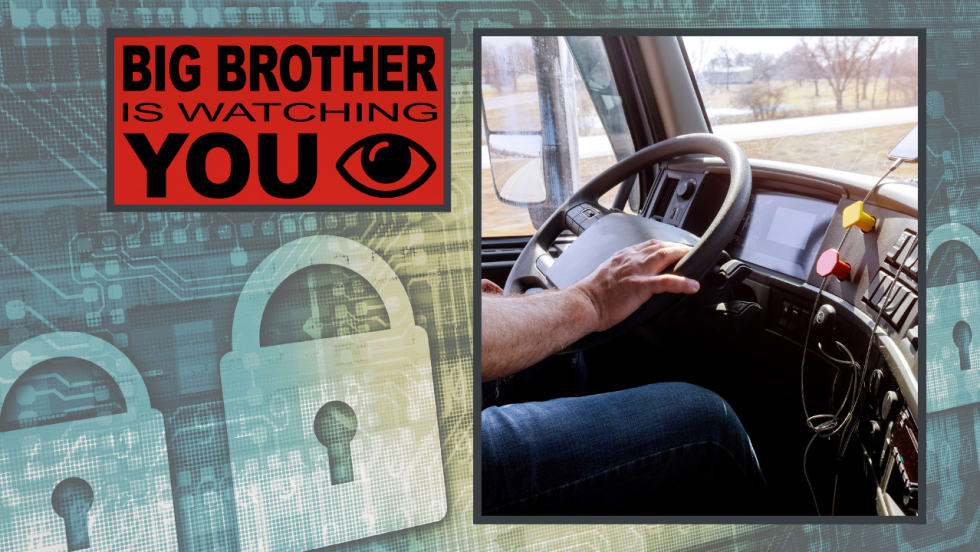
Driver Trust Can Make or Break the Success of Fleet Safety Technology
New Teletrac Navman research suggests that onboarding, transparency about driver data, and positive feedback can play a significant role in how commercial drivers respond to safety and coaching technology.
Read More →
EEOC Sues KLLM Over Alleged Sex Discrimination in Driver Training
KLLM is facing a federal sex-discrimination lawsuit over policies the EEOC alleges put female truck driver trainees at a disadvantage.
Read More →
FMCSA Moves to Codify English Language Requirements for Commercial Drivers
By changing regulations on English-language proficiency requirements for commercial drivers, rather than relying on a guidance memo, the FMCSA said future administrations won't be able to walk back the Trump administration's stricter enforcement with just a memo.
Read More →
Drivers Put Western Star Trucks to the Test at Star Nation Experience
Watch to get an inside look at the Western Star trucks, technology, and community behind the Star Nation Experience 2026!
Read More →
Trump Administration Looks to Put More Veterans Behind the Wheel
The Freedom Haulers program pulls together existing and expanded programs at several federal agencies to recruit veterans to drive commercial heavy-duty trucks and cut the red tape for them to get a CDL, training, and employment.
Read More →
Putting Mack’s Command Steer to the Test
A test drive of Mack’s Command Steer active steering system evaluates how it can make truck driving easier and less tiring.
Read More →
Competition Heating Up for Truck Drivers
New report reveals rising driver hiring costs, the return of sign-on bonuses, growing AI advantages, and the operational factors shaping driver retention.
Read More →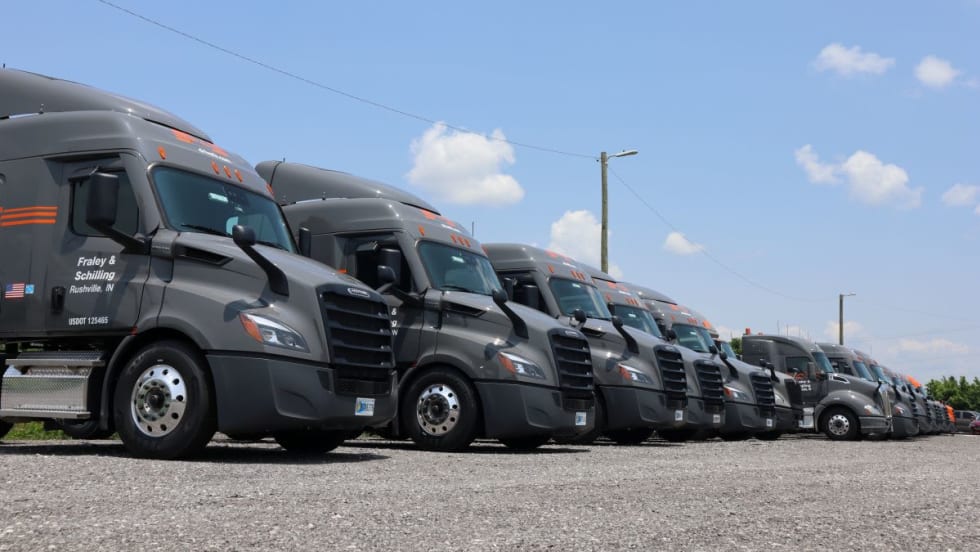
How Fraley & Schilling Improved Logbook Compliance by Over 50%
Fraley & Schilling needed a way to close a compliance workflow gap in its ELD system without adding more work from driver training, reminders, and back-office follow-ups. It found the answer in a custom driver app.
Read More →
Volvo Goes Gaming
Volvo has roared into American Truck Simulator with two new flagship trucks.
Read More →
What the Best Fleets to Drive For Teach About Driver Retention
Survey fatigue, AI-powered routing, owner-operator expectations, and the decline of social media all emerged as themes from this year's Best Fleets to Drive For program.
Read More →