




New Phishing Scam Targets Motor Carriers
If you get an email that says it’s from The Federal Motor Carrier Safety Administration requesting that carriers complete forms attached to the email, the agency warns that it may be a phishing scam.

Take a close look at any emails that purport to come from FMCSA. They could be a scam.
Image: HDT Graphic
If you get an email that says it’s from The Federal Motor Carrier Safety Administration requesting that carriers complete forms attached to the email, the agency warns that it may be a phishing scam.
Phishing is the fraudulent practice of sending emails or other messages purporting to be from reputable companies in order to induce individuals to reveal personal information, such as passwords and credit card numbers.
In the scam emails, FMCSA says, those forms ask for a social security number and USDOT PIN. FMCSA does not require such information on official FMCSA forms. Carriers should NOT fill out forms attached to the fake email, and always refer to the official FMCSA forms for the latest and official documents.
In some cases, the phishing attempt also asks for a certificate of insurance and driver’s license to help protect the recipient against fraud. There is also a threat that if the recipient does not respond within a day, the individual will be fined, which is also not an FMCSA practice as part of the registration process.
How to Spot These Fake Emails
The fake email originates from one of the following email addresses:
safety@fmcsa.gov
filing@fmcsa.gov
dotfilings@fmcsa.gov
audit@fmcsa.gov
None of these are legitimate email addresses and are NOT used or owned by FMCSA.
If the recipient replies to the email, their message goes to @fmcsa-safety-fmcsa.com, which is also NOT a domain owned or used by FMCSA.
Not only is some of this information Personal Identifiable information, but this information would also allow the unauthorized party to gain access to the recipient’s FMCSA account.
The fake email containing the phishing link appears very convincing that the correspondence is from FMCSA, according to the agency. Screenshots of the fake email can be found on FMCSA’s website.
Communications from FMCSA relating to information requests of this type would either request individuals to log into their portal account at FMCSA Login (dot.gov), or the email would come directly from an FMCSA dedicated mailbox. While these emails typically end in “.gov”, FMCSA encourages stakeholders and customers to verify any email or communication they feel to be suspicious with the appropriate agency.
Earlier this year, the FMCSA warned motor carriers of a different email phishing scam involving a fake DOT safety audit.
Here’s What Individuals Can Do to Avoid Phishing
Do not click any suspicious links. Hover over them to see the real email address or URL of that link. Click only on links you deem trustworthy
Visit the Cybersecurity & Infrastructure Security Agency for more guidance on online deceiving tactics.
The Federal Trade Commission recommends following certain procedures for email verification.
File a complaint with the Federal Bureau of Investigations (FBI) by using their IC3 site
Reach out to the FMCSA Contact Center or call (1-800-832-5660) if you are the target of these practices.
More Safety & Compliance

Kodiak Lines Up Fleets for Driverless Trucking
An agreement for 75 trucks, a new Texas freight lane, and progress on safety validation move Kodiak closer to its planned driverless highway launch.
Read More →
More Trailer Data Through the Same Seven-Way [Video]
Can trucking’s standard seven-way connector handle more cameras and trailer data? Grote’s Adam Slade shows HDT how the company is using new technology with its 4See trailer system, not only to add a new backup camera but also to expand other capabilities — without adding another connection.
Read More →
PrePass Intelligence Mines Fleet Bypass, Toll and Safety Data
PrePass Intelligence helps fleets measure bypass savings, flag potential toll overcharges, and spot suspicious transactions by combining data from separate systems.
Read More →
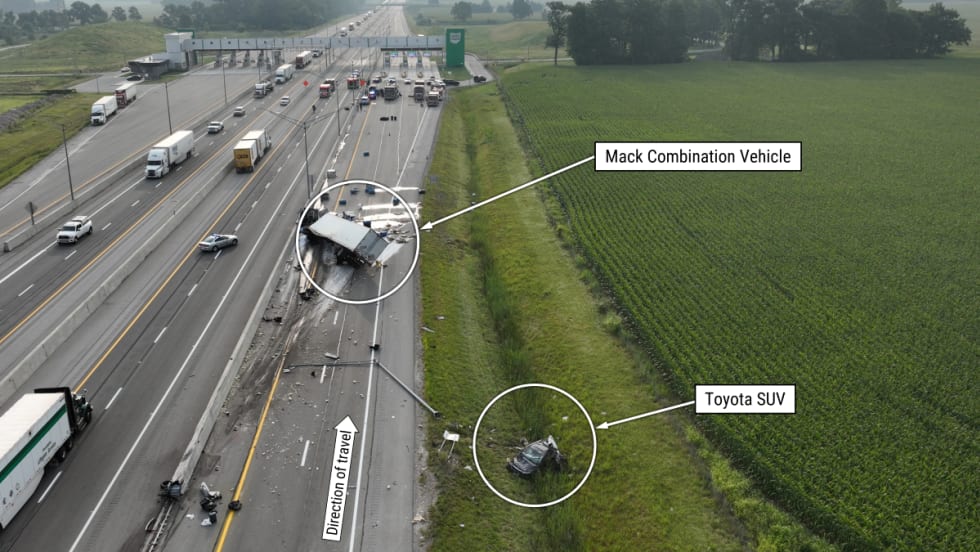
Fatal Crash Exposes Toll Plaza Risks
An NTSB investigation found that last-minute lane changes and large speed differences at an Ohio toll plaza created a hazard the truck driver couldn't avoid in time.
Read More →
When Language Stops the Truck: The Return of ELP Out-of-Service Orders
English language proficiency rules for commercial drivers aren’t new, but renewed out-of-service enforcement has raised the stakes. Here’s what carriers need to know before a driver reaches a roadside inspection.
Read More →
A Camera Isn't a Safety Program. Here's What Brokers Are Screening for Now
Footage alone may not be enough to pass broker vetting processes. Here's what counts as a defensible safety program now.
Read More →
Marijuana and Trucking’s Drug-Testing Dilemma
Marijuana is getting stronger, laws are changing, and drug tests still can’t reliably establish impairment. What does that mean for truck drivers and the fleets that employ them?
Read More →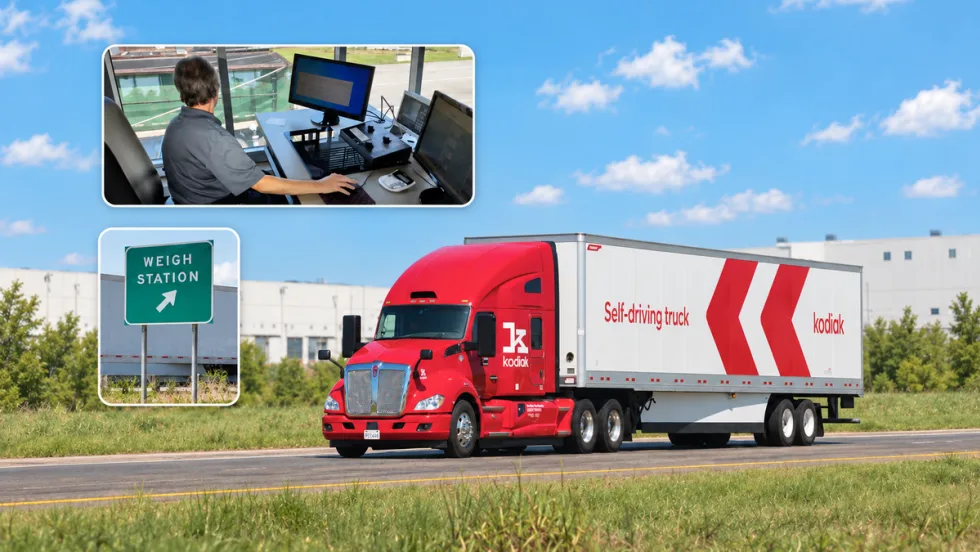
PrePass, Kodiak Connect Driverless Trucks to Roadside Enforcement
The system will allow enforcement agencies to verify Enhanced Inspection information and decide whether Kodiak’s autonomous trucks can bypass roadside screening sites.
Read More →
From One Generation to the Next: How Mentorship Builds Safer Truck Drivers
After three decades in trucking, Harold Perry shares what he's learned about driver safety, mentorship, and helping the next generation build confidence behind the wheel.
Read More →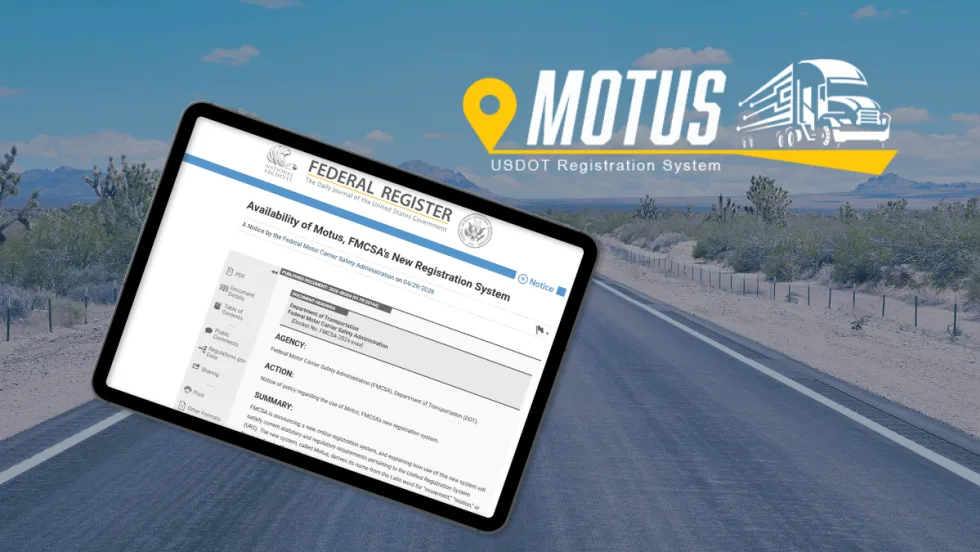
FMCSA Pauses Biennial-Update Enforcement Amid Motus Transition
Carriers whose updates were due on or after June 1 have more time, while FMCSA works to stabilize its new registration system and warns of phishing sites impersonating its new carrier registration system, Motus.
Read More →