




New Market for Urea Solution
Some of Europe's leading truck producers such as DaimlerChrysler and Volvo say they are planning to launch new heavy-duty vehicle
Some of Europe's leading truck producers such as DaimlerChrysler and Volvo say they are planning to launch new heavy-duty vehicles
with lower NOx emissions before the end of 2004. This is well ahead of the October 2005 implementation of Euro IV legislation that specifies tight new emission standards.
The new technology for reducing NOx emissions is called Selective Catalytic Reduction (SCR). The SCR unit is situated in the exhaust system and requires a constant feed of urea solution to destroy the harmful NOx. Supporters of the SCR technology claim this allows for more efficient operation of the engine, and therefore reduced diesel consumption and lower running costs.
The introduction of SCR systems may create a new market for urea solution, likely to be called AdBlue. In a new report, Integer Research forecasts that consumption of AdBlue in Europe will exceed 2.7 million tonnes by 2010, with France, Germany, Italy, Spain and the UK accounting for 75% of demand. The report includes detailed supply, demand and distribution forecasts for AdBlue by country.
Distribution of the urea solution to end-users will be through a mix of closed fleet depots and public fuel stations such as truckstops. However, in the initial stages of the market, most vehicles are expected to be supplied from their home depot, with broader infrastructure developing later.
More Equipment
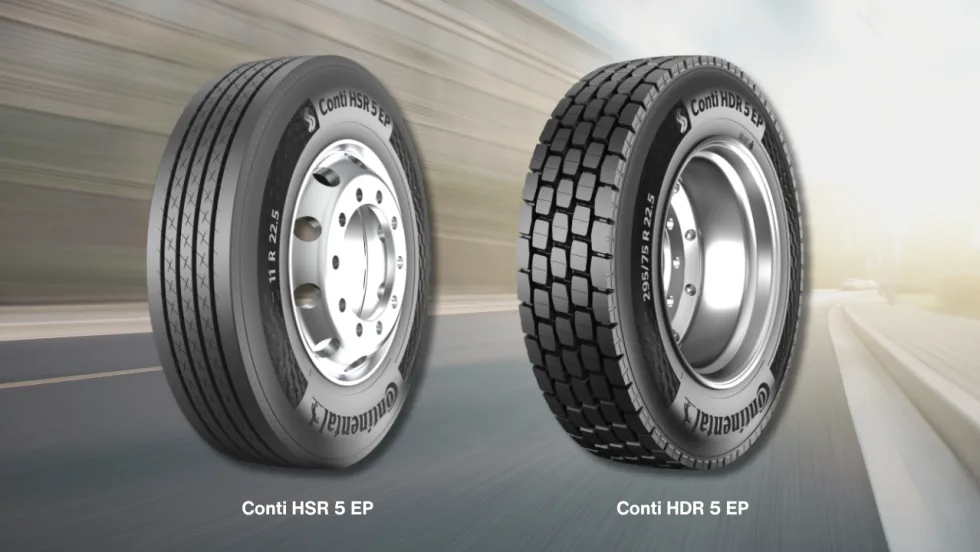
Continental Introduces New Regional Truck Tires
Continental says its new Generation 5 steer and drive tires for regional operations offer longer tread life, with estimated mileage gains of 22% and 19%, respectively.
Read More →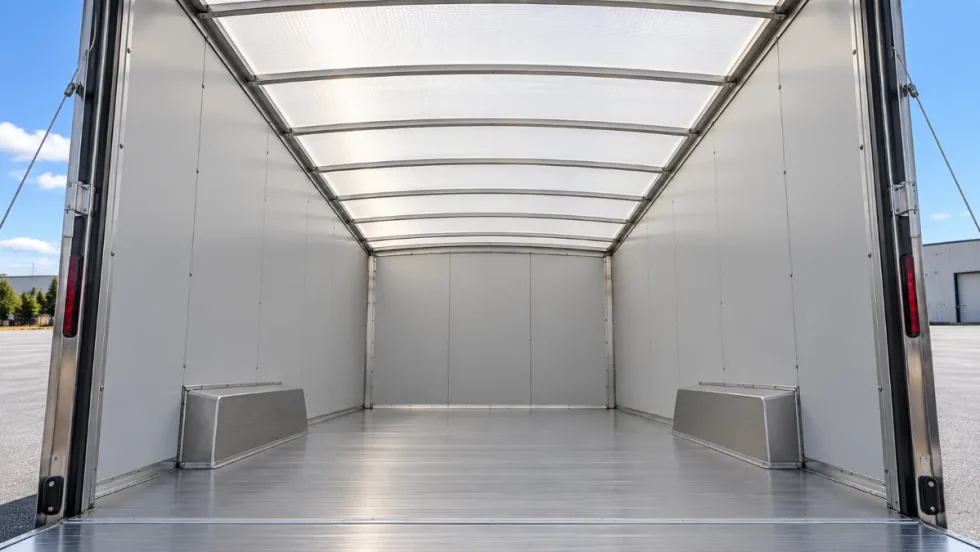
Tekmodo Introduces CargoBright Brand for Translucent Trailer Roofs
CargoBright is designed to diffuse daylight across the cargo area while performing as a working vehicle roof.
Read More →
Fleet Economics Shape Electric Truck Outlook
ACT Research expects costs, charging infrastructure, and technology improvements to drive zero-emission commercial vehicle adoption as federal regulations and incentives retreat.
Read More →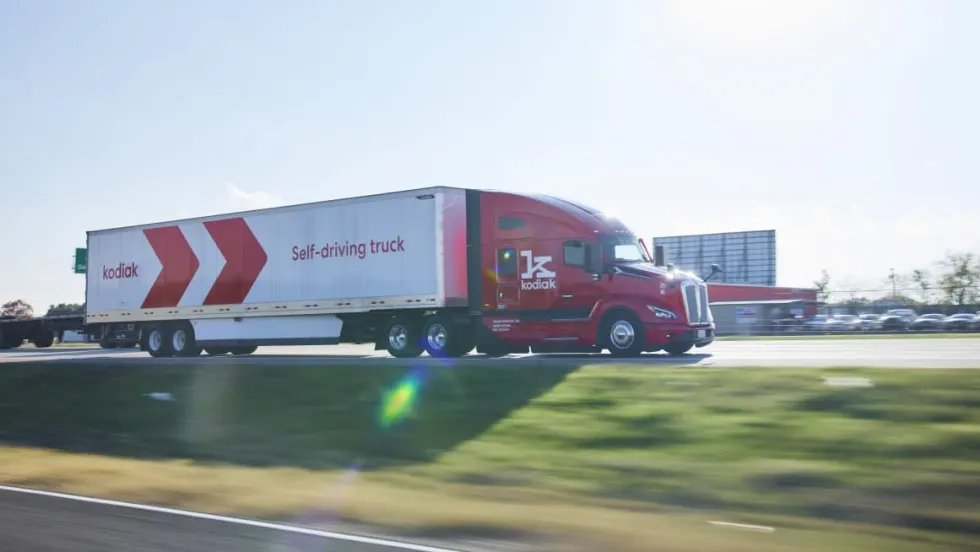
Kodiak Targets Dallas–Houston for Driverless Trucks
The company says its autonomous trucks are completing the I-45 run without a safety observer taking control. It plans to remove the observer by the end of 2026.
Read More →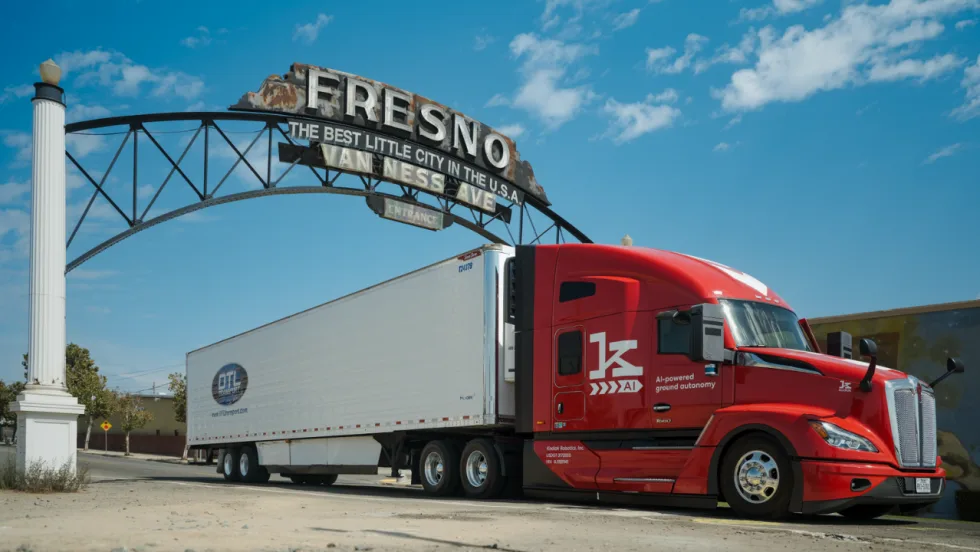
Kodiak Hauls Produce in California Autonomous Truck Pilot
Kodiak AI and DTL Transport have begun hauling produce between Fresno and Los Angeles under California’s new rules for testing heavy-duty autonomous trucks. A safety driver remains behind the wheel.
Read More →
Used-Truck Remarketing Math Is Changing
Used-truck value is no longer just a concern at trade-in. Decisions made throughout a truck’s first life can influence what it’s worth years later.
Read More →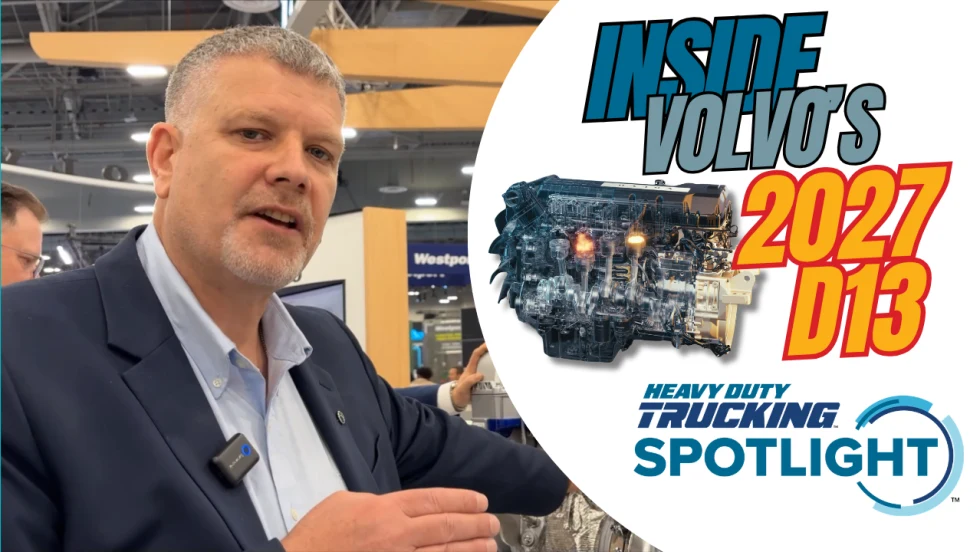
How Volvo Updated Its D13 for EPA 2027 [Watch]
Volvo’s updated D13 promises lower emissions without sacrificing performance or fuel economy. Take a closer look at what changed inside the engine in this HDT Spotlight video.
Read More →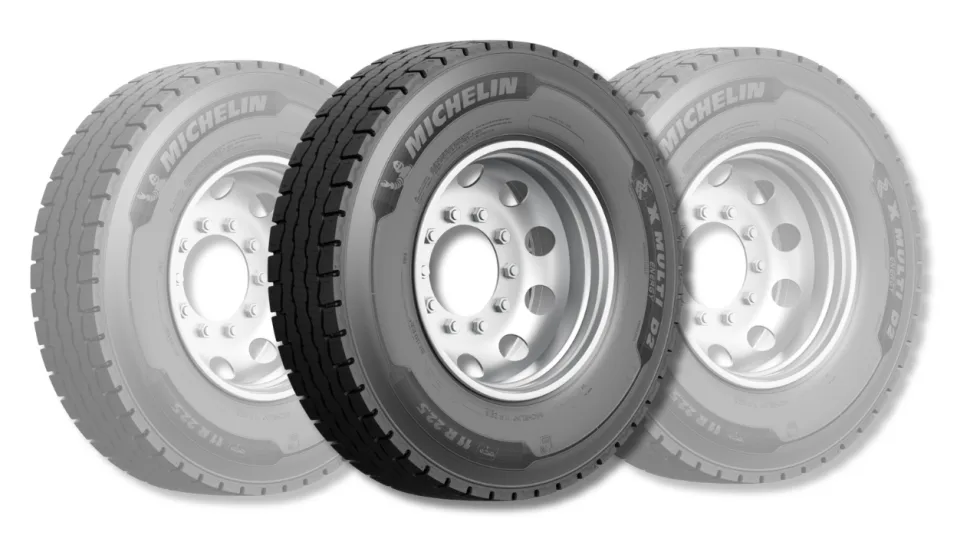
Michelin Tire Improves Efficiency and Durability for Regional Fleets
The Michelin X Multi Energy D2 is a regional haul drive tire engineered to help fleets improve fuel efficiency, durability and traction in demanding stop-and-go operations.
Read More →
ZF Expands Commercial Vehicle Push in North America
ZF is expanding its North American commercial-vehicle presence with new transmission applications, electrification, trailer technology and autonomous-driving systems.
Read More →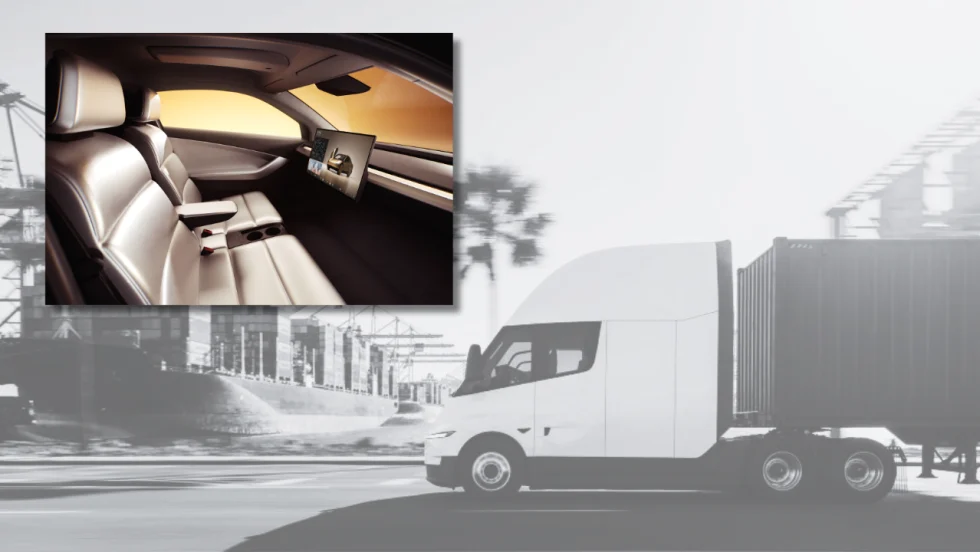
Tesla Wants a Self-Driving Semi. Are Cameras Enough?
Could Tesla’s camera-only autonomous driving technology work on an 80,000-pound Semi? In this commentary, HDT's Deborah Lockridge takes a look at Tesla, Cybercab, and how autonomous trucks see the road.
Read More →