




New Jersey's ban on interstate trucks just got a whole lot bigger. Route 1 and Route 130, both old U.S. Highway designations, have been placed on the list of forbidden roads.
Route 1 parallels the northern portion of the New Jersey Turnpike, a toll road. Route 130 parallels the southern end of the Turnpike. Both highways are four lanes wide their entire length and both were well-established truck routes for decades before either the Turnpike or the National Network of highways came into being. Truckers have traditionally used the 1-130 combination to avoid Turnpike tolls, particularly at night when traffic is light.
Only a small segment of 130, just north of the Delaware Memorial Bridge will be open to all truck traffic.
The NJDOT announced a 30-day period for public comment on the new regulation beginning Aug. 2. However, the governor staged a press event earlier this week to post the first warning sign. She said the rule would be enforced immediately. Until there is legislation, there will be no fines, but State Troopers will divert trucks from affected routes, she said.
State Department of Transportation officials also announced that the New Jersey State Police will be given an extra $500,000 a year to enforce the restrictions. The money originally was earmarked for the state's diesel emissions inspection program, according to published reports.
Confusion has surrounded the ban since it was announced as an executive order by Gov. Whitman last week. At first, DOT officials said only roads with two-lane segments would be affected. According to DOT spokesman John Dourgarian, Gov. Whitman later advised the department she wanted all roads outside the National Highway Network included and did not want to make exceptions for 1 and 130. Dourgarian said some 600 tractor-trailers a day use Route 130. He did not have figures for Route 1.
News reports last week said the ban applied to trucks 102 inches wide or more than 48 feet long. In an interview, Dourgarian said the 48-foot restriction applied to trailers over 48 feet, not to overall length. However, in the draft regulation posted on the department's web site (http://www.state.nj.us/transportation/truck/truck_reg.htm), the ban applies to 102-inch wide trucks and double trailer combinations. No 48-foot restriction is mentioned. The web site also offers a map of National Network roads open to all truckers in the state (http://www.state.nj.us/transportation/truck/map_nj_us_network.jpg).
Routes 1 and 130 have been the focus of local protests since 1991, when Turnpike tolls doubled. In protest, the New Jersey Motor Truck Assn. urged all Eastern truckers to use alternate routes at the time. Communities along 1 and 130 complained that heavy truck traffic had indeed mushroomed.
But a 1992 DOT study of Route 130 claimed there was no noticeable increase of through truck traffic. For their part, Turnpike officials blamed decreased truck traffic on a poor economy.
That changed in 1995, when Whitman ousted her first Turnpike director and replaced him with current director, Ed Gross. Gross acknowledged the truck traffic diversion and vowed to lure truckers back to the toll road.
The New Jersey Motor Truck Assn. has supported his efforts. However, neither the Turnpike nor the association had a spokesperson available for comment. ATA spokesman Mike Russell said the ATA was "reviewing the situation."
New Jersey Adds More Routes To Truck Ban
New Jersey's ban on interstate trucks just got a whole lot bigger. Route 1 and Route 130, both old U.S. Highway designations, have been placed on the list of forbidden roads
More Drivers
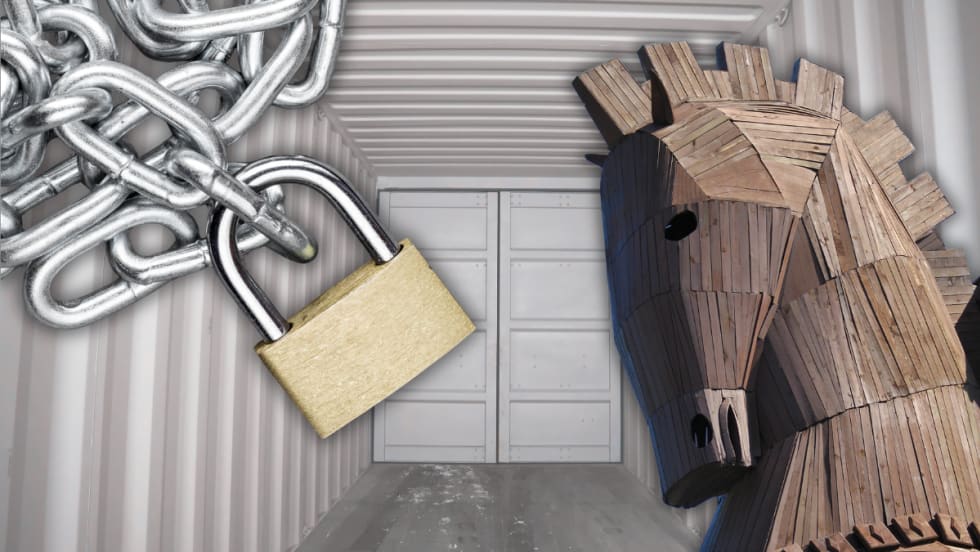
New Trojan Driver Cargo Theft Scam Bypasses Carrier Vetting Systems
Cargo theft rings plant operatives as drivers inside legitimate, fully vetted carriers, then execute coordinated thefts that look like a traditional straight theft from the outside.
Read More →
WIM, Trucker Path Name Top 3 Women-Friendly Truck Stops
ATA’s Women In Motion Council and Trucker Path highlight three truck stops that meet all seven safety-focused criteria and rank highest among female drivers.
Read More →
FMCSA Extends Paper Medical Card Exemption … Again
Five states still aren't ready to accept commercial driver medical exam information directly from the medical examiner's registry.
Read More →
Mack Launches Digital Driver Guide for Chassis-Specific Truck Info
Mack’s new, virtual owner’s manual delivers VIN-based, on-demand guidance for vehicle systems via web, app, and soon in-cab displays.
Read More →
Western Star Showcases Truckers' Pride and Skill
Western Star is expanding its Star Nation Experience in 2026, adding new competitions and dealer participation to highlight operator skills and promote careers in trucking.
Read More →
Best Fleets to Drive For: Two Carriers Earn Overall Award for First Time
CarriersEdge announced the 2026 Best Fleets to Drive For overall winners, with Crawford Trucking, Fortigo Freight Services, and FTC Transportation receiving top awards.
Read More →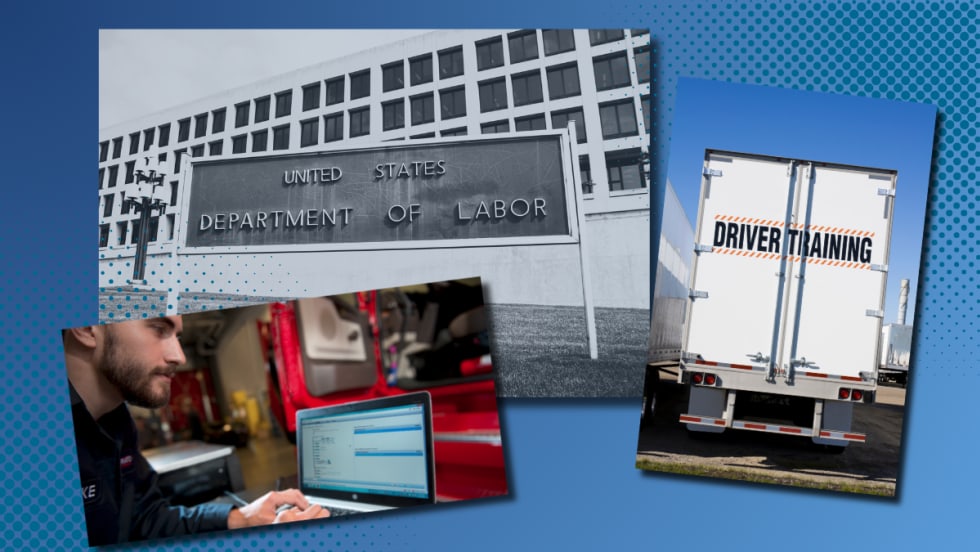
Federal Proposal Would Allow Pell Grants for Shorter-Term Job Training
The Department of Labor plans to expand Pell Grant eligibility to some shorter workforce training programs, a move the American Trucking Associations said will help strengthen commercial driver training schools and diesel technician training programs.
Read More →
Owner-Operator Model Gets Boost as DOL Proposes 2024 Independent Contractor Definition Reversal
For an industry that has watched this issue go back and forth for years, the independent contractor proposal marks the latest swing in the regulatory pendulum.
Read More →
FMCSA Reinstates Field Warrior ELD to Registered Device List
One electronic logging device has been reinstated to the FMCSA's list of registered ELDs.
Read More →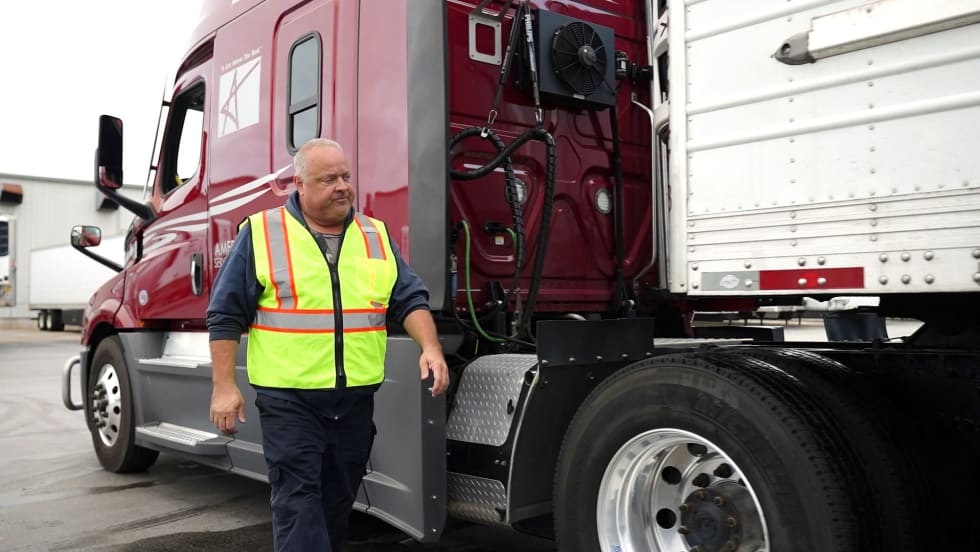
How One Company is Using Smart Suspension Technology to Reduce Driver Injuries and Improve Retention
America’s Service Line adopted Link’s SmartValve and ROI Cabmate systems to address whole-body vibration, repetitive strain, and driver turnover. The trucking fleet is already seeing measurable results.
Read More →