




New Intermodal Service for Pacific Northwest to Midwest/East Coast
Infinity Transportation this week said it is launching a new expedited refrigerated domestic intermodal container service operating from the Pacific Northwest to the Midwest and East Coast due to capacity constraints with refrigerated trucking service.
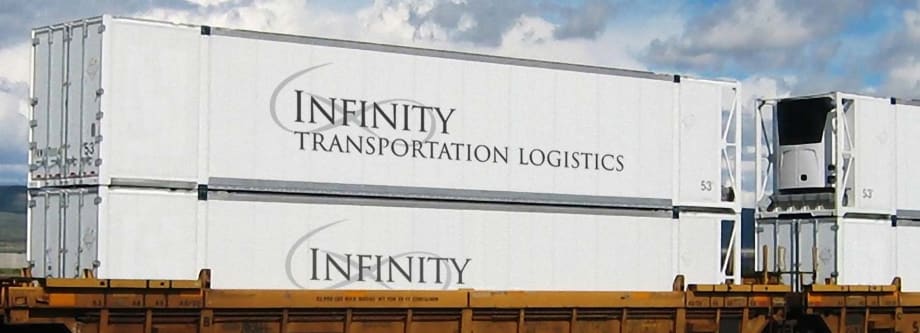
Infinity Transportation this week said it is launching a new expedited refrigerated domestic intermodal container service operating from the Pacific Northwest to the Midwest and East Coast due to capacity constraints with refrigerated trucking service.
The new intermodal operating platform, Infinity Transportation Logistics LLC, is headquartered in Atlanta. Daily operations will be managed from a dedicated location in Kansas City, Missouri
ITL is expected to launch its new service in mid-November with 53-foot refrigerated containers built for domestic service. The primary focus of the business will be moving frozen foods and other refrigerated products from Washington State and Oregon to the Midwest and the East Coast, with return service to Washington and Oregon, according to the company. The company claimed it will be the only regularly scheduled refrigerated domestic intermodal service from Washington State to the Midwest and East Coast.
The expedited door-to-door intermodal service will depart intermodal ramps in Seattle and Spokane, Washington and Portland, Oregon six days per week. Load transit time is projected to be about six days to the Midwest and eight to nine days to various destinations on the East Coast.
The company said the offering will have a service radius of about 160 miles from intermodal ramps in Seattle, Spokane and Portland, allowing ITL to serve many parts of Washington, Oregon and Idaho including the greater Portland area, Willamette Valley, Hood River, the Columbia Basin of Washington and Oregon, the Yakima Valley, Skagit Valley, the Puget Sound area and the greater Spokane area. ITL will also bring refrigerated and frozen foods and some dry goods back from the Midwest and East Coast to the Pacific Northwest.
More Fleet Management
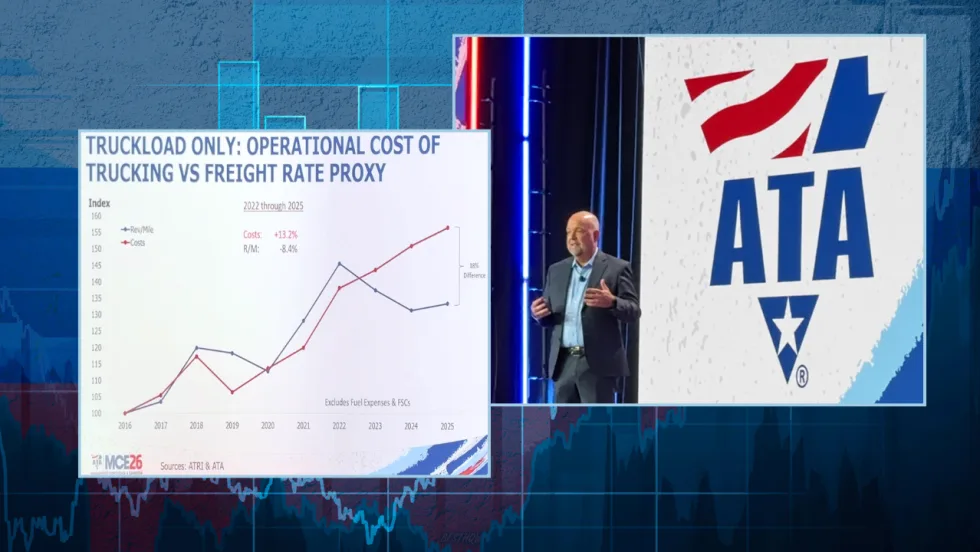
Why This Trucking Recovery Is Different
Freight demand remains sluggish, but rising costs and tougher enforcement have taken enough capacity out of the market to change the outlook for motor carriers.
Read More →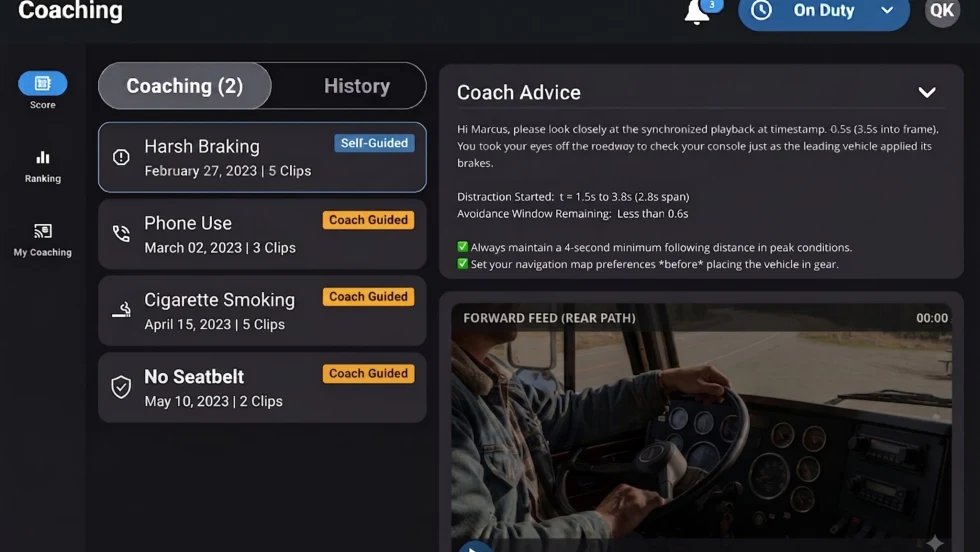
Platform Science Adds Dispatch and Safety Tools
Four additions to PS Fleet help fleets monitor loads, manage driver coaching, share truck locations and adjust video system settings.
Read More →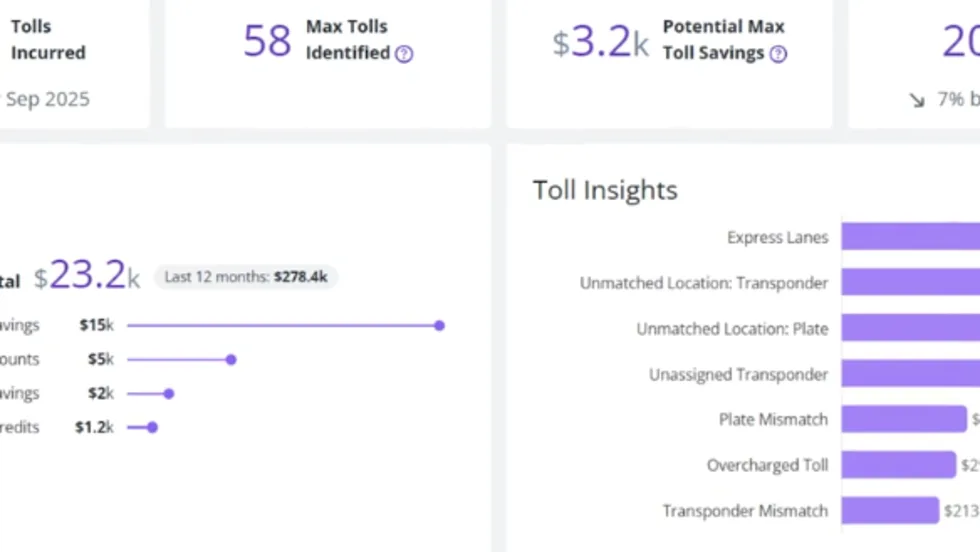
PrePass Intelligence Mines Fleet Bypass, Toll and Safety Data
PrePass Intelligence helps fleets measure bypass savings, flag potential toll overcharges, and spot suspicious transactions by combining data from separate systems.
Read More →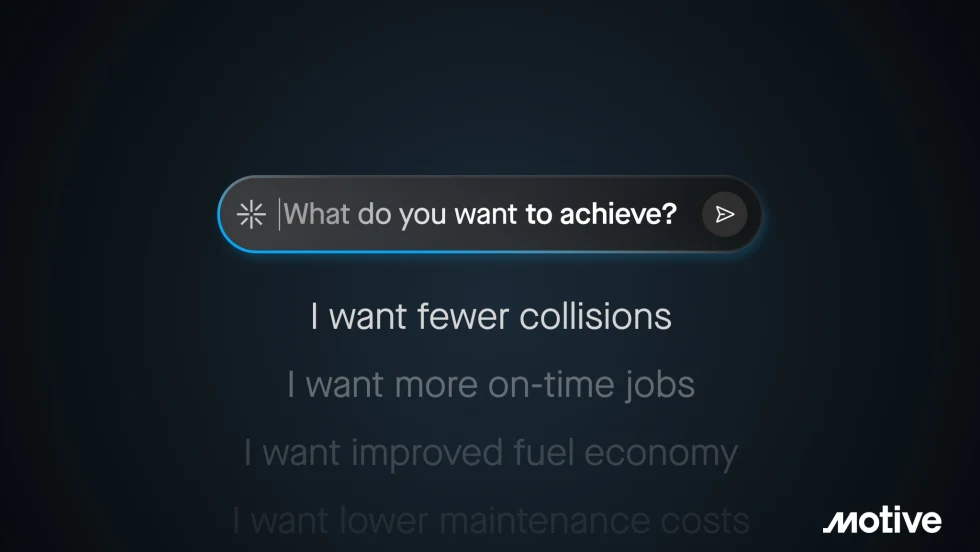
Motive Adds AI Agents for Fleet Operations
New tools automate follow-up on fleet data, from maintenance work orders to driver alerts, with two-way voice conversations planned for later this year.
Read More →
Can You Beat Our Trucking Trivia Challenge?
Test your truck knowledge with 19 trivia questions from Heavy Duty Trucking Exchange. Can you keep up with the fleet pros?
Read More →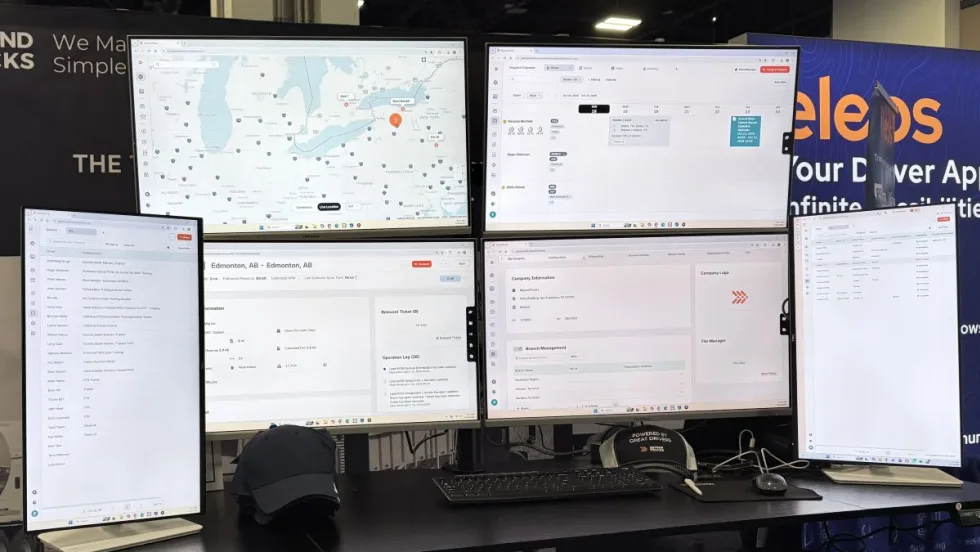
BeyondTrucks Adds Rules Checks to Dispatch
New Compatibility Engine checks driver qualifications, equipment requirements and fleet policies before loads are dispatched.
Read More →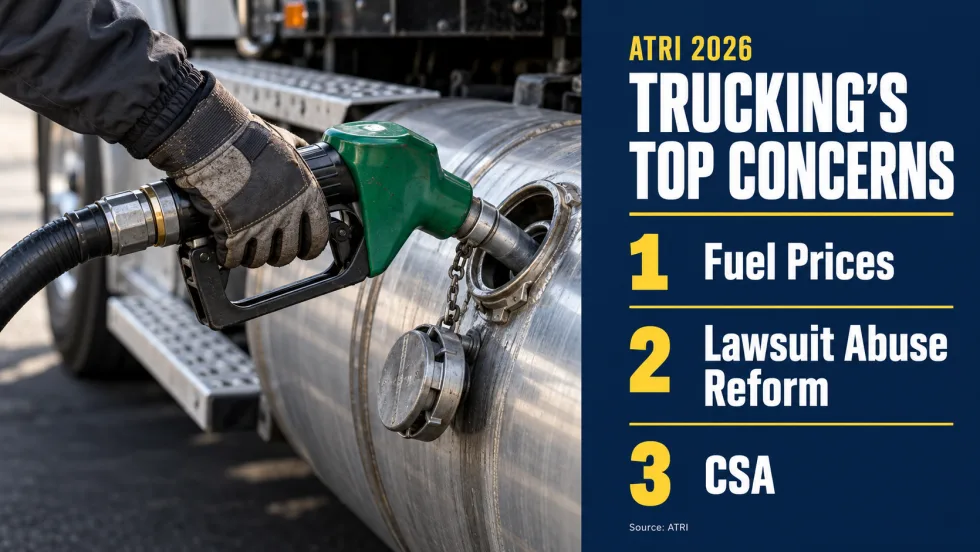
Diesel Prices Hijack Trucking’s Worry List
ATRI’s annual survey finds cautious optimism about freight, but diesel costs, litigation, and insurance continue to squeeze fleets. Drivers have different priorities on several issues.
Read More →
Nomination Deadline Extended for HDT Emerging Leaders
Just a few more days to nominate accomplished trucking fleet professionals under 40 who are making an impact and helping lead the industry forward for the HDT Emerging Leaders award. Deadline extended to October 20!
Read More →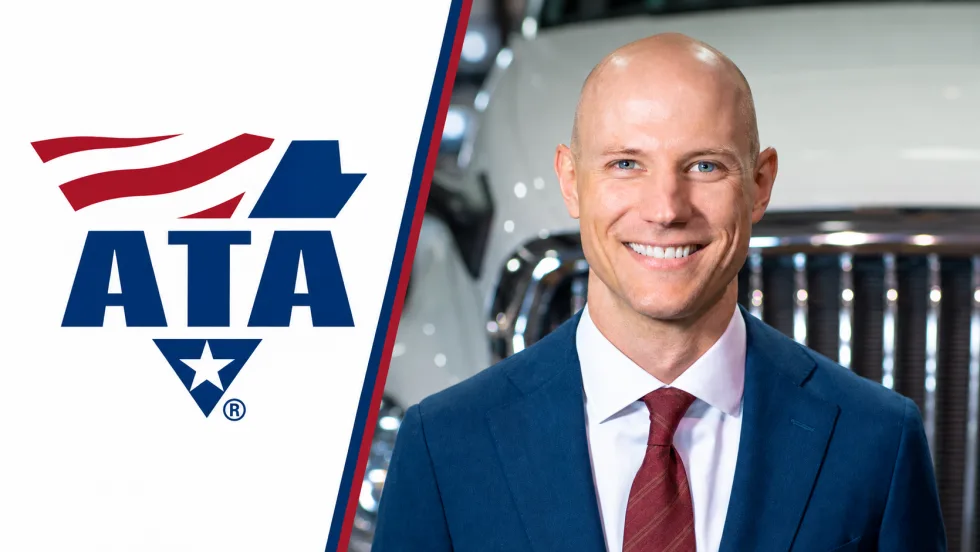
What Will ATA’s New Leader Bring to Trucking's Table?
Incoming President and CEO Mark Colson’s record in Alabama offers clues about his priorities and approach following Chris Spear’s abrupt departure as the head of the American Trucking Associations.
Read More →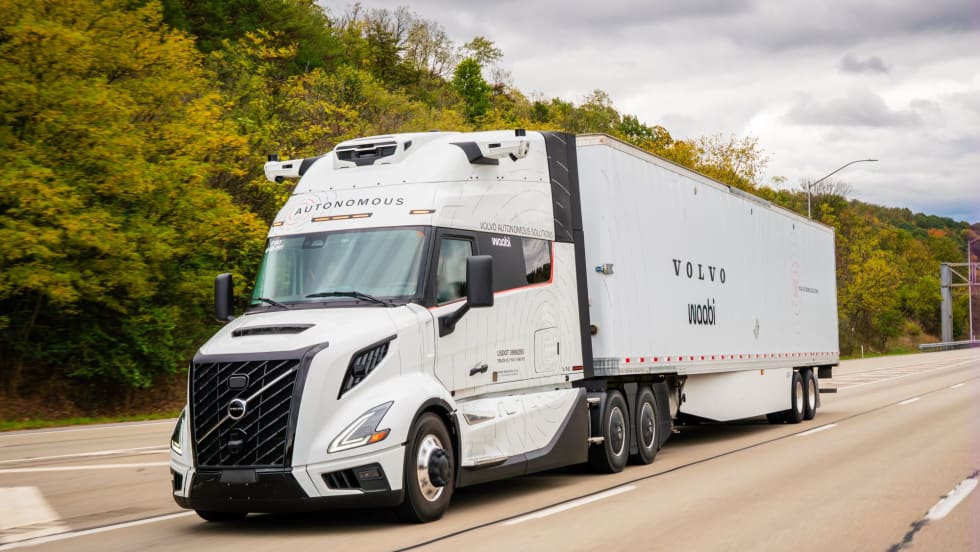
Volvo, Waabi Start Commercial Autonomous Operations in Texas
Volvo VNL Autonomous trucks, powered by the Waabi Driver, are hauling freight directly to third-party facilities for a customer in Texas.
Read More →