




New Attendance Requirement for Combustible Liquids Unloading
Cargo tank operators carrying combustible liquids are not required to be in close attendance while unloading, according to new rules from the Department of Transportation’s Research and Special Programs Administration
Cargo tank operators carrying combustible liquids are not required to be in close attendance while unloading, according to new rules from the Department of Transportation’s Research and Special Programs Administration.
As part of numerous clarifications and amendments, most of which dealt with packaging and labeling, RSPA has added a paragraph to Section 177.837 of the hazardous materials transportation regulations. It says that the cargo tanker operator must monitor the unloading operation from a distance of up to 150 feet from the cargo tank and 25 feet from the delivery hose. The operator must observe the cargo tank and the receiving tank at least once every five minutes during unloading operations that take more than five minutes to complete.
The American Trucking Associations and the Hazardous Materials Advisory Council had opposed the change, arguing that it could diminish hazmat safety. ATA recommended a limited exception for the delivery of home heating fuels similar to the current exception for deliveries of liquefied petroleum gas and anhydrous ammonia. RSPA agreed that combustible liquid should not be excepted completely from attendance requirements during loading and unloading, but said the relatively low risk presented by combustible liquid in transportation supports a more flexible attendance regulations than is currently required.
ATA did win a request for the use of white square-on-point configurations for display of identification number markings, regardless of whether a placard is rquired for that material. The organization argued that current restrictions are unnecessary and RSPA agreed.
The amendments are effective October 1, 2000 and can be found in the August 18 Federal Register at www.nara.gov/fedreg.
More Drivers

Competition Heating Up for Truck Drivers
New report reveals rising driver hiring costs, the return of sign-on bonuses, growing AI advantages, and the operational factors shaping driver retention.
Read More →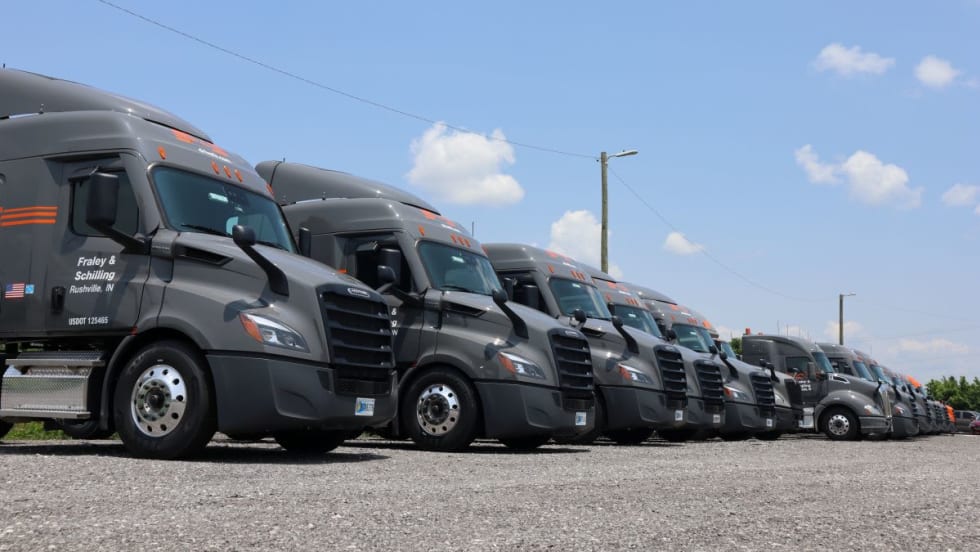
How Fraley & Schilling Improved Logbook Compliance by Over 50%
Fraley & Schilling needed a way to close a compliance workflow gap in its ELD system without adding more work from driver training, reminders, and back-office follow-ups. It found the answer in a custom driver app.
Read More →
Volvo Goes Gaming
Volvo has roared into American Truck Simulator with two new flagship trucks.
Read More →
What the Best Fleets to Drive For Teach About Driver Retention
Survey fatigue, AI-powered routing, owner-operator expectations, and the decline of social media all emerged as themes from this year's Best Fleets to Drive For program.
Read More →
Driver Retention Lessons From the Best Fleets to Drive For
What separates trucking's best workplaces from the rest? Jane Jazrawy shares the biggest lessons from this year's Best Fleets to Drive For program on driver retention, communication, AI, and workforce trends on the HDT Talks Trucking podcast.
Read More →
Farewell, CDL: Why I'm Giving Up My Commercial Driver's License
After more than 20 years as a CDL holder, HDT Executive Editor Jack Roberts is letting his commercial license expire. Not because he wants to — but because trucking's nuclear verdict crisis has made the risks of public-road test drives too great for editors, manufacturers, and everyone involved.
Read More →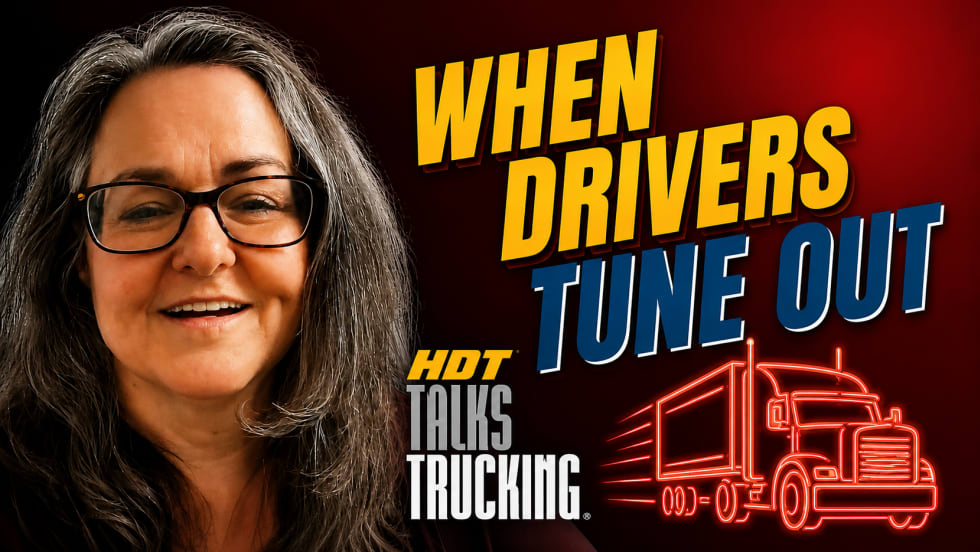
How Top Trucking Fleets Improve Driver Retention [Video]
What do healthy snacks, optimized routing, and just picking up the phone have in common? They're all strategies the Best Fleets to Drive For are using to retain truck drivers.
Read More →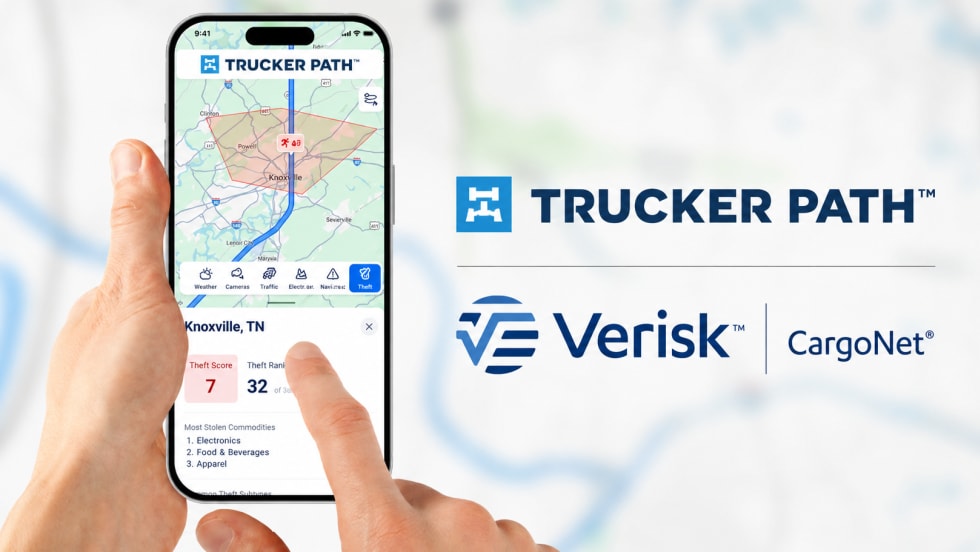
Trucker Path Adds Verisk CargoNet Theft Data to Navigation Platform
Trucker Path’s new cargo theft risk overlays give drivers and fleets visibility into high-risk areas, stolen commodity trends, and theft hotspots.
Read More →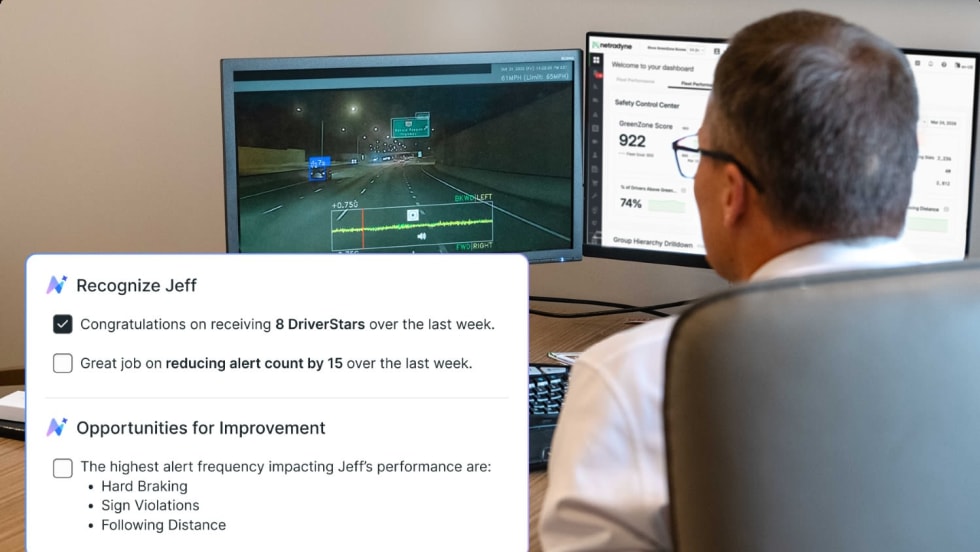
Netradyne Intelligence Uses New AI Agents to Automate Response to In-Cab Camera Data
The company called the next-generation in-cab camera safety platform "a fundamental shift from systems that report on what happened to systems that actively drive what should happen next."
Read More →
Why Truck Detention Keeps Costing Fleets Time and Money
A 2024 ATRI study found detention affects nearly 40% of truckload stops and costs the industry more than $15 billion annually. Despite the toll on drivers, fleets, and supply chains, the problem remains stubbornly persistent.
Read More →