




Neptune Orient Sells APL Logistics for $1.2 Billion
Singapore’s global container shipping and logistics company Neptune Orient Lines Ltd. has reached an agreement to sell its APL Logistics business for $1.2 billion.
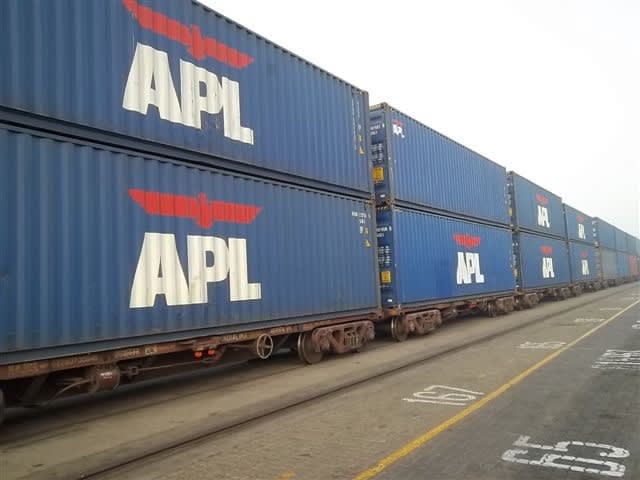
Photo: APL Logistics
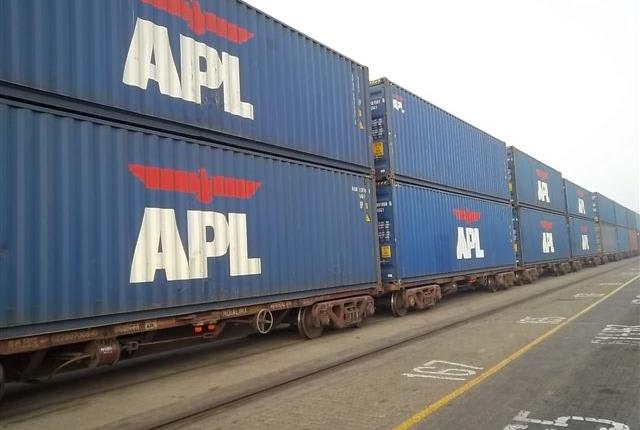
Photo: APL Logistics
Singapore’s global container shipping and logistics company Neptune Orient Lines Ltd. has reached an agreement to sell its APL Logistics business for $1.2 billion.
The buyer is the Japanese shipping company Kintetsu World Express Inc.
“Since 2013, we have laid out a strategy to strengthen our international presence especially in the U.S. and Asia. This transaction fits right into our strategy,” said Satoshi Ishizaki, group president and CEO of KWE.
KWE plans to keep APL based in Singapore and will operate as a separate unit within the company.
“The proposed transaction with KWE is expected to provide APL Logistics with the opportunity to expand its business with the backing of a company with strong fundamentals and a commitment to grow in the logistics space. We believe that KWE has the ability and the ambition to continue APL Logistics’ growth strategy,” said Ng Yat Chung, group president and CEO of NOL.
The deal is subject to shareholder and regulatory approvals.
APL Logistics President Beat Simon said Kintetsu was acquiring a company that had grown nearly five times since being incorporated in 2000 and made $1.7 billion in revenue in 2014, according to a release on the KWE website. APL reportedly received about two-thirds of its revenue by doing business in the U.S. last year.
.
More Fleet Management

Nomination Deadline Extended for HDT Emerging Leaders
Just a few more days to nominate accomplished trucking fleet professionals under 40 who are making an impact and helping lead the industry forward for the HDT Emerging Leaders award. Deadline extended to October 20!
Read More →
What Will ATA’s New Leader Bring to Trucking's Table?
Incoming President and CEO Mark Colson’s record in Alabama offers clues about his priorities and approach following Chris Spear’s abrupt departure as the head of the American Trucking Associations.
Read More →
Volvo, Waabi Start Commercial Autonomous Operations in Texas
Volvo VNL Autonomous trucks, powered by the Waabi Driver, are hauling freight directly to third-party facilities for a customer in Texas.
Read More →
Samsara Launches Custom AI Agent Builder
Agent Studio lets fleets create AI tools for hours-of-service monitoring, reporting and driver support, including agents that communicate by phone.
Read More →
Einride Driverless Electric Trucks Begin Daily Freight Operations in Ohio
Two cabless electric trucks are hauling freight between EASE Logistics facilities in Marysville, Ohio, as part of a multi-state truck automation project.
Read More →
Geotab Links Fleet Card to Vehicle Data
The new card combines fuel discounts with telematics-based purchase controls. Geotab’s analysis also points to potential savings from choosing lower-priced fuel stops.
Read More →
How MFA Helps Protect Trucking Fleets
Multi-factor authentication adds protection when passwords are stolen. Here’s how it works and where fleets should start.
Read More →
How Better Freight Data Helps Trucking Teams Get Ahead of Disruption
Trucking and logistics teams have plenty of data. The problem is getting the right information in front of the right people soon enough to act. Better-connected data can help teams spot trouble earlier and make smarter decisions before small problems become big ones.
Read More →
Trimble: Taking Artificial Intelligence in Trucking Beyond Faster Tasks
At Insight 2026, Trimble executives argued that fleets may need to redesign workflows to get more from AI as it introduced new products and enhancements. AI’s value will depend on how fleets combine automation with their people's knowledge.
Read More →
Build a bulletproof fleet: Uniting ELDs and dash cams for total compliance
An ELD can prove compliance, but it cannot always prove what happened on the road. Discover how uniting accurate ELD data with AI-powered dash cam video can help your fleet strengthen compliance, defend against liability, protect drivers and reduce operational costs.
Read More →