




Nebraska Lawmaker Wants Lower Speed Limit for Trucks
A Nebraska lawmaker introduced a measure last week that would limit the speed limit for tractor-trailers on the state's interstate highways to 65 mph, 10 mph below the limit for passenger vehicles
A Nebraska lawmaker introduced a measure last week that would limit the speed limit for tractor-trailers on the state's interstate highways to 65 mph, 10 mph below the limit for passenger vehicles.
According to the Lincoln Journal Star, Sen. Marian Price from Lincoln would like to make big rigs slow down. "People have come to me, about the big vehicles that come up right behind you at a rapid speed, and expressed a concern about the safety of themselves," Price said after introducing the measure.
The trucking industry says that concern is misplaced.
Bud Cuca, executive director of the Nebraska Trucking Association, told the paper that different speed limits for trucks and cars are the greatest deterrent to highway safety.
Two separate studies, by the American Automobile Association and the National Highway Traffic Safety Administration, have indicated there is an increase in rear-end and side-swipe accidents when trucks and cars have different speed limits, he said.
Doyle Neemann, a veteran trucker of 3 million miles who has spent more than 25 years on the road, told the paper that he has driven the problem. Professional drivers tend to keep their eyes on the rear-view mirror, trying to anticipate when a car will pass them, he said.
Sen. Price said she hadn't seen the studies indicating that differing speed limits are not safe, noting that nine other states have lower speed limits for trucks than for cars.
More Drivers
How Top Trucking Fleets Improve Driver Retention [Video]
What do healthy snacks, optimized routing, and just picking up the phone have in common? They're all strategies the Best Fleets to Drive For are using to retain truck drivers.
Read More →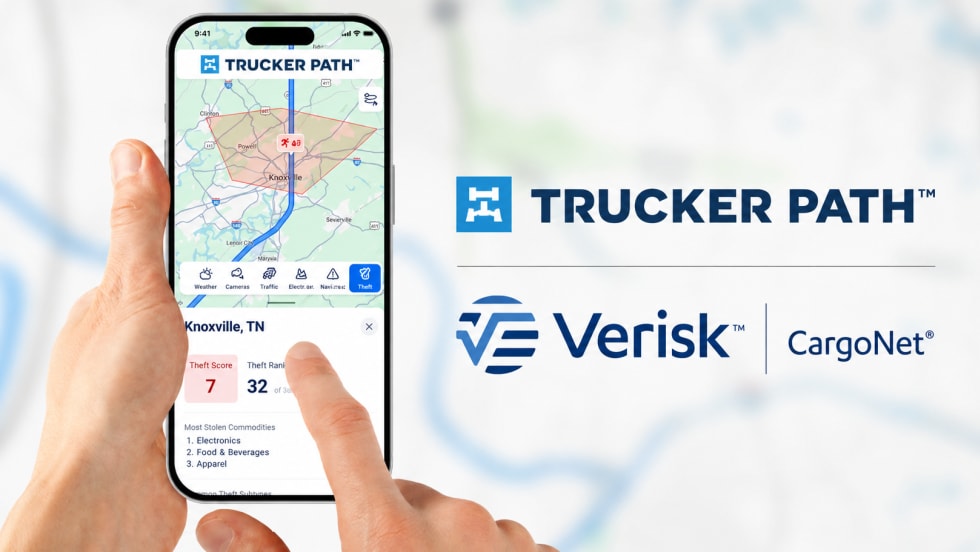
Trucker Path Adds Verisk CargoNet Theft Data to Navigation Platform
Trucker Path’s new cargo theft risk overlays give drivers and fleets visibility into high-risk areas, stolen commodity trends, and theft hotspots.
Read More →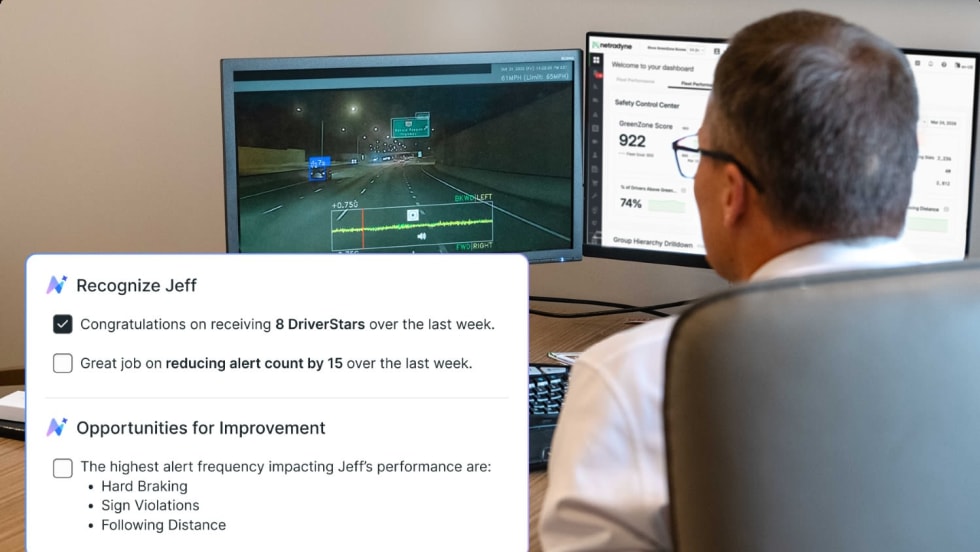
Netradyne Intelligence Uses New AI Agents to Automate Response to In-Cab Camera Data
The company called the next-generation in-cab camera safety platform "a fundamental shift from systems that report on what happened to systems that actively drive what should happen next."
Read More →
Why Truck Detention Keeps Costing Fleets Time and Money
A 2024 ATRI study found detention affects nearly 40% of truckload stops and costs the industry more than $15 billion annually. Despite the toll on drivers, fleets, and supply chains, the problem remains stubbornly persistent.
Read More →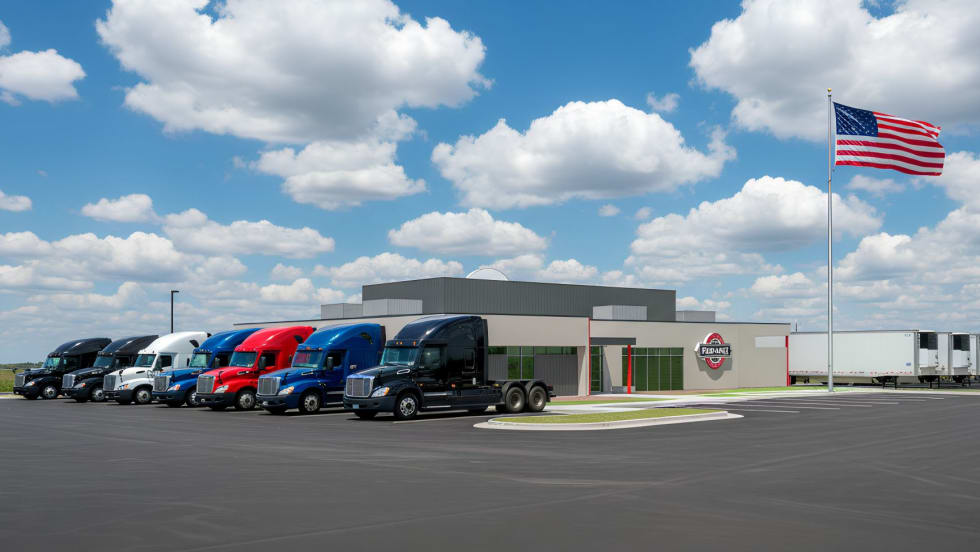
Prime Inc. to Open $7.9M Flagship Used-Truck Dealership
A new driver-focused facility to sell Prime Inc's used trucks and trailers will be the first purpose-built location in the company's history.
Read More →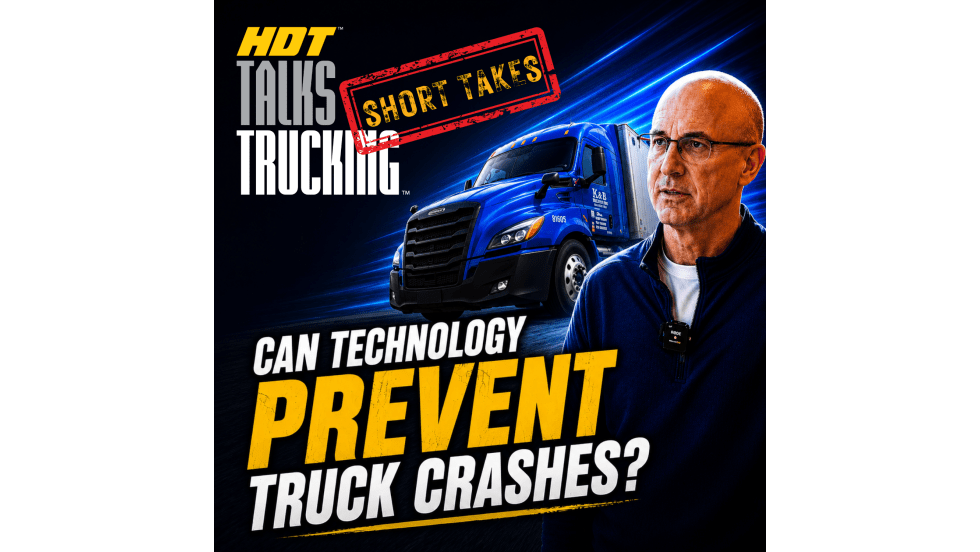
Short Takes: Inside K&B’s Truck Safety Tech
Listen to learn how K&B Transportation uses cellphone-blocking technology, speed management systems, weather geofencing, bridge avoidance tools, and more to improve driver safety.
Read More →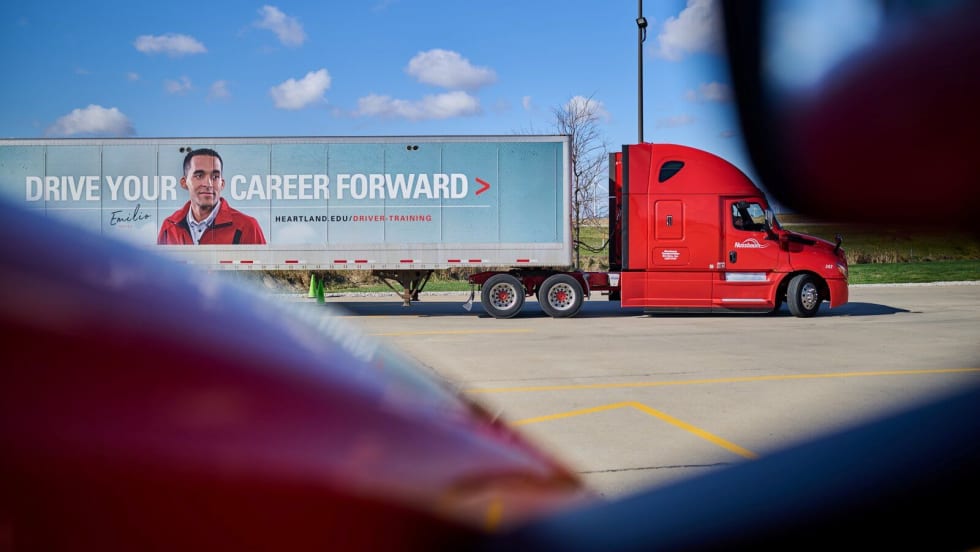
Nussbaum Expands Driver Compensation with Pay Raises, Profit Sharing
Nussbaum Transportation said its latest compensation package could push first-year driver earnings above $90,000 in key hiring markets.
Read More →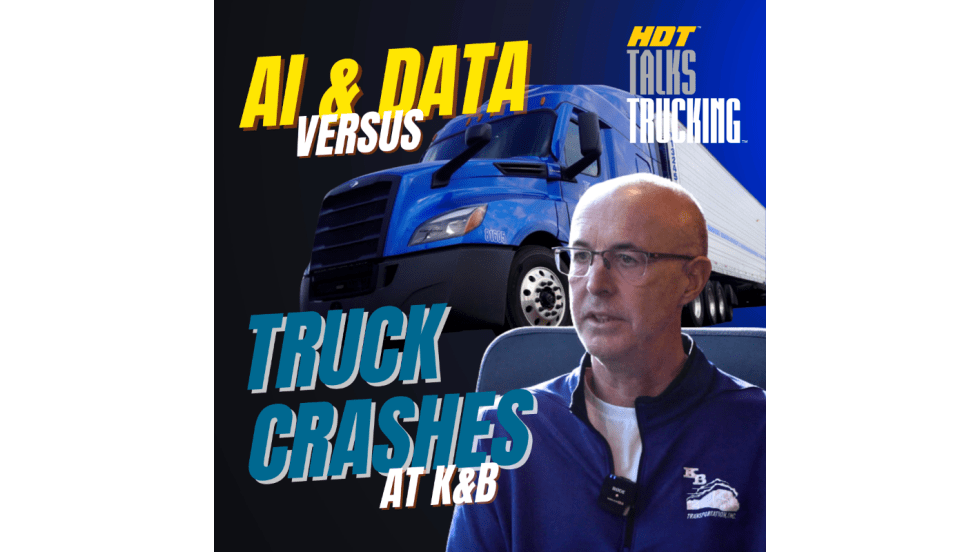
Listen: Inside Modern Fleet Safety: AI, Cameras & Speed Control at K&B Transportation
Fleet safety is evolving fast—and technology is at the center of it. Learn how a former commercial vehicle enforcement officer turned director of safety at K&B Transportation is embracing real-world safety technology.
Read More →
Maverick Announces 2026 Driver Pay Raises
New raises for Maverick Transportation drivers will take effect on May 31, 2026.
Read More →
Illinois Trucker Indicted for Nearly $22,000 in Ohio Turnpike Toll Evasion
Authorities say an Illinois trucker avoided paying tolls for two years, and now faces felony charges, possible prison time, and forfeiture of his Freightliner tractor.
Read More →