




Weights and Measures Council Fails to OK LNG Standard
After regulators failed to agree to a nationally recognized, gallon-equivalent measure for sales of liquefied natural gas, fleets that rely on LNG-fueled vehicles will continue to face a state-by-state patchwork of standards for at least one more year.
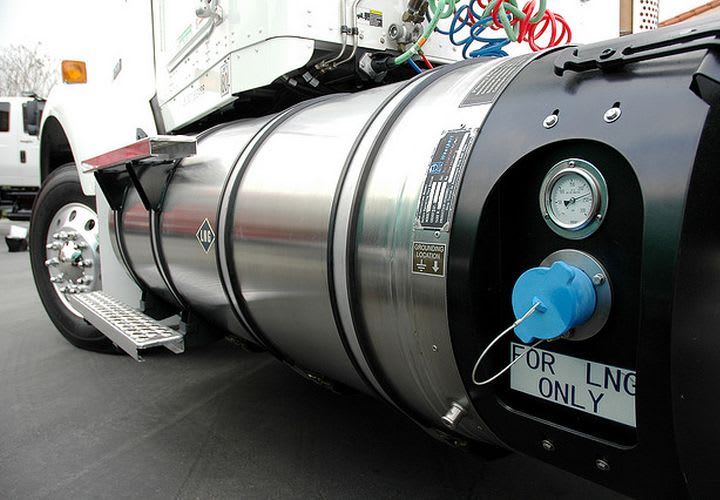
Photo via TruckPR/Flickr.

After regulators failed to agree to a nationally recognized, gallon-equivalent measure for sales of liquefied natural gas, fleets that rely on LNG-fueled vehicles will continue to face a state-by-state patchwork of standards for at least one more year.
Meeting in Detroit earlier this month, the National Conference on Weights and Measures failed to agree to a proposal that would set the amount of LNG that provides the same amount of power as one gallon of diesel fuel.
The Diesel Gallon Equivalent (DGE) standard needed approval from two panels of the conference, which is made up of state regulators, to take effect. While one of the panels agreed with the proposal, the other did not, sending it back to the regional level for more work, reports the Houston Chronicle.
CNG has been priced for two decades in a method that converts 5.66 pounds of gas to 1 gallon of gasoline, allowing an easy cost comparison as well as using terms that drivers are used to seeing. The Gasoline Gallon Equivalent (GGE) figure allowed for easy comparison, although some delegates at the meeting in Detroit expressed an interest in adjusting that figure as well.
Without the national standard, retailers are allowed to use a DGE or GGE price when selling LNG — as they do now — but consumers will find they get a slightly different amount of fuel state-by-state, said Kathryn Clay, vice president for policy strategy at the American Gas Association.
More Fleet Management
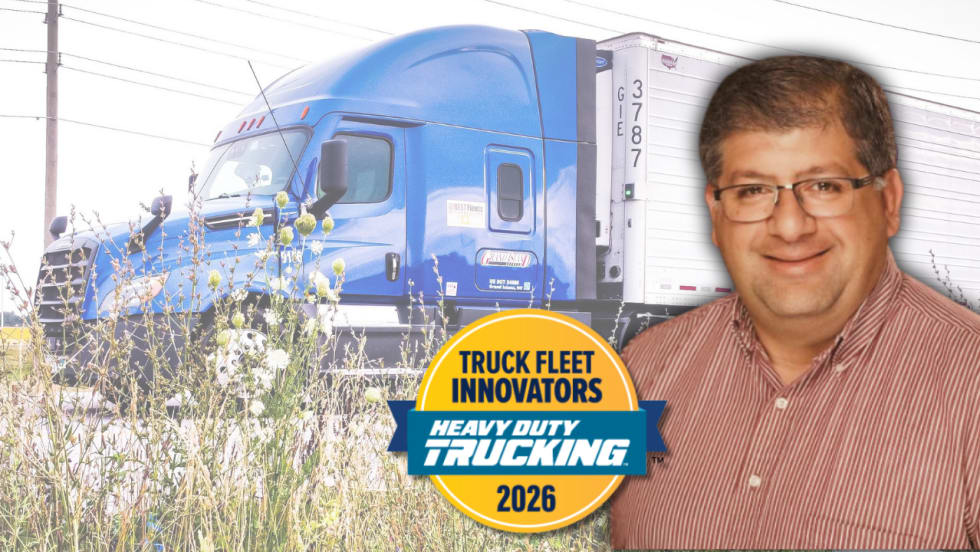
Deen Albert: Let Automation Do the Math, People Make the Decisions
HDT Truck Fleet Innovator Deen Albert makes sure people are still at the heart of operations at Grand Island Express, even while adopting artificial intelligence tools. AI-assisted dispatch helped boost revenue 25% with the same number of trucks.
Read More →
Trimble’s New AI Agent Takes Aim at Fleet Back-Office Busywork
Arc Agent works across Trimble TMS products to automate repetitive tasks such as freight orders, maintenance, invoices, fuel costs and more.
Read More →
How HDT’s 2026 Truck Fleet Innovators Are Rethinking Fleet Operations
Meet five trucking leaders who are challenging assumptions, solving operational problems, and putting innovative ideas to work.
Read More →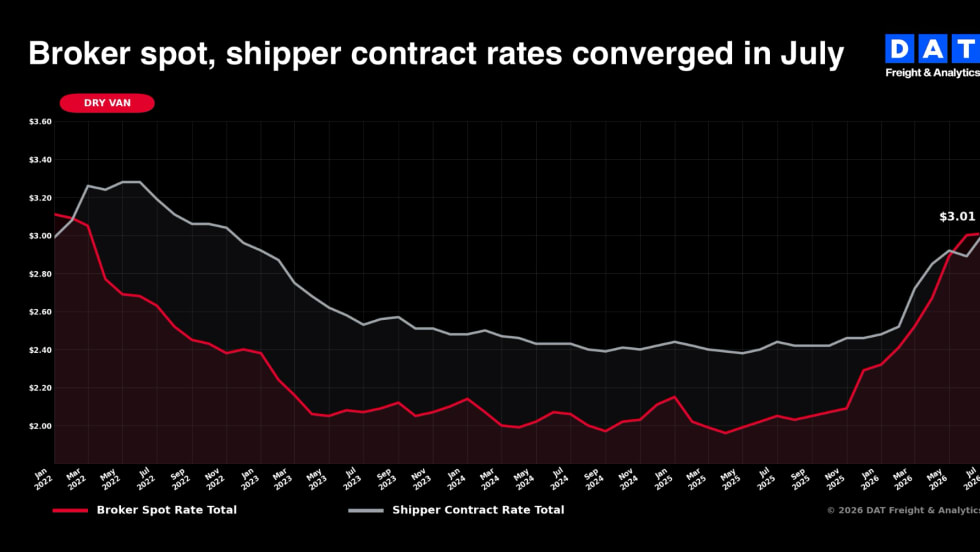
Tight Trucking Capacity Pushes Rates Higher Even as Freight Volumes Fall
“Spot rates moving ahead of contract rates have historically signaled a tightening market, but we haven’t seen a capacity-driven market quite like this one,” said DAT's Dean Croke.
Read More →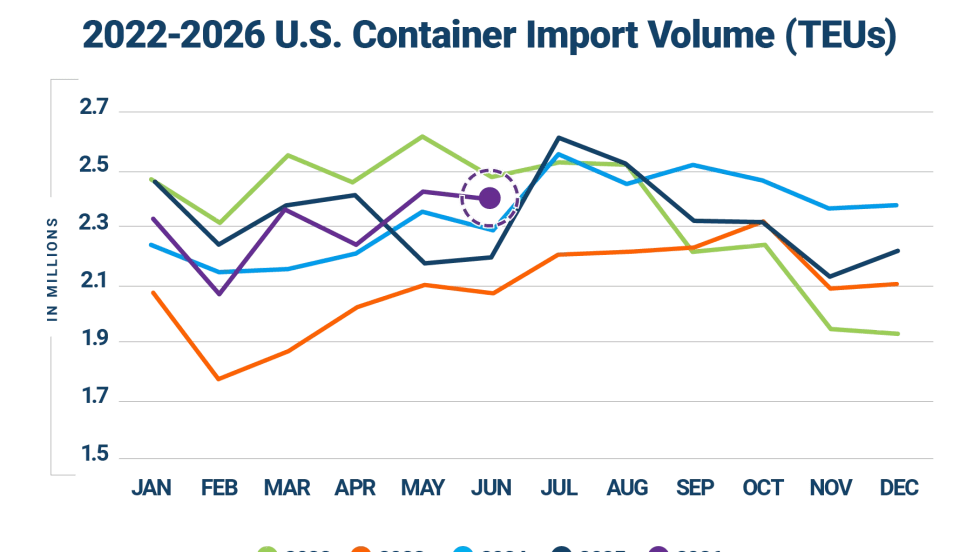
Import Cargo’s Early Peak Season is Winding Down
There was an early start to peak season this year at the nation's gateway ports, as retailers brought in merchandise ahead of tariff changes in late July and responded to other supply chain uncertainties,
Read More →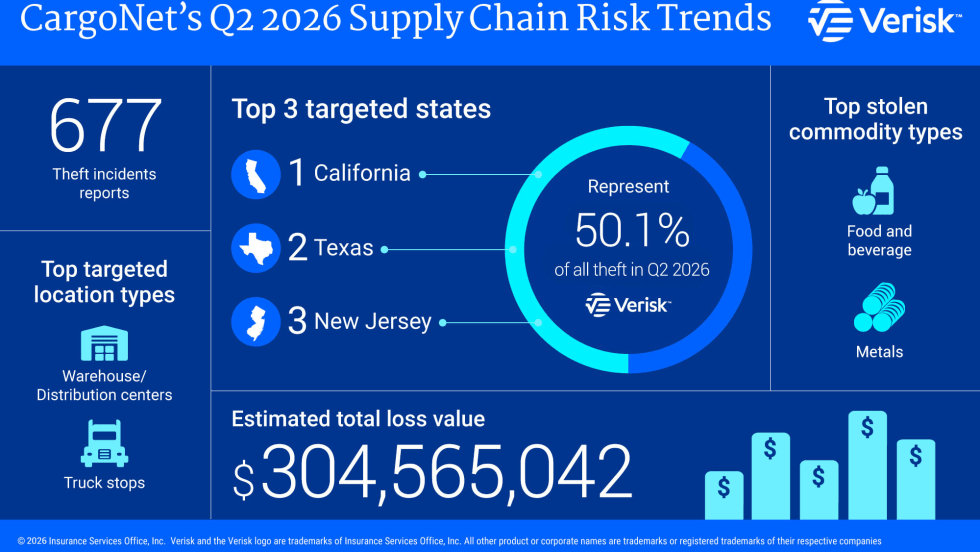
Fewer Cargo Thefts, Bigger Losses: Criminals Target Higher-Value Loads
CargoNet says organized theft rings are stealing fewer shipments but choosing more valuable freight, including metals and technology, resulting in record losses.
Read More →
How Innovative Trucking Leaders Turn Change Into an Advantage
As the pace of change accelerates in trucking, the fleets that adapt best have more than the latest technology. They have cultures that embrace improvement.
Read More →
Freight Broker Bonds Just Got Harder to Get. Here's What That Means for Your Fleet.
When it gets harder for a freight broker to prove they are financially sound, the ones who cannot clear that bar get pushed out of the market. And those are exactly the brokers who used to leave motor carriers holding the bag.
Read More →
Long-Awaited Canadian Border Bridge to Open in Detroit
For trucking, the bridge opening should offer immediate improvements in efficiency and reliability, with new customs facilities, expanded inspection capacity, and direct freeway-to-freeway connections.
Read More →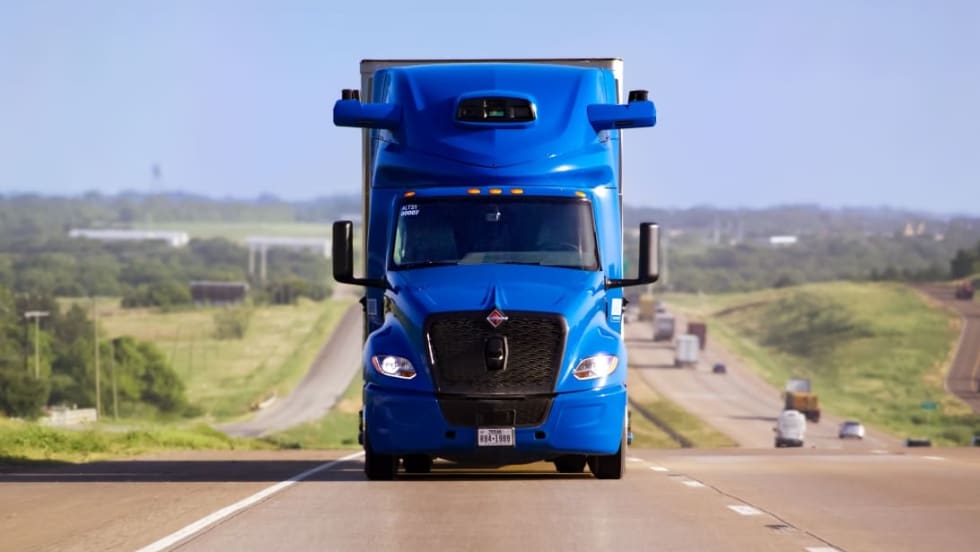
Aurora Rolls Out Next Generation of Driverless Trucks for Commercial Freight
Aurora's latest autonomous trucks it's rolling out with International feature lower-cost hardware designed for a million miles as the company expands commercial driverless freight operations across the U.S. Sun Belt.
Read More →