




A proposal to increase fares by at least $1 for vehicles crossing the Mackinac Bridge is drawing protests from communities that depend on the only land link between Michigan's Upper and Lower peninsulas.
Mayor Bruce Dodson has suggested a modest increase in bridge fares would go down more easily with customers, according to the Associated Press.
The proposal is to charge passenger vehicles $2.50 -- up from $1.50; trucks $3 per axle, up from $2 per axle; and commuter vehicles $2, up from $1.25.
Other officials, including former authority executive secretary and Republican state Sen. Walter North oppose the fare hike.
The authority says the current fare structure on the bridge will leave it short of funds by 2006, and that its balance sheet will be in the red through 2022. The authority's last significant rate increase came in 1995, when tolls on commercial vehicles were raised.
Local officials and tourist business owners fear that a sharp increase in fares will deter summer visitor traffic in the same way that trucking traffic fell off after the 1995 commercial fare hike.
Some 4.8 million vehicles are expected to cross the five-mile span this year.
With the proposed rate hikes, the Authority anticipates $16.5 million annual revenues.
Michigan Bridge Toll Hike Sparks Protests
A proposal to increase fares by at least $1 for vehicles crossing the Mackinac Bridge is drawing protests from communities that depend on the only land link between Michigan's Upper and Lower peninsulas
More Drivers
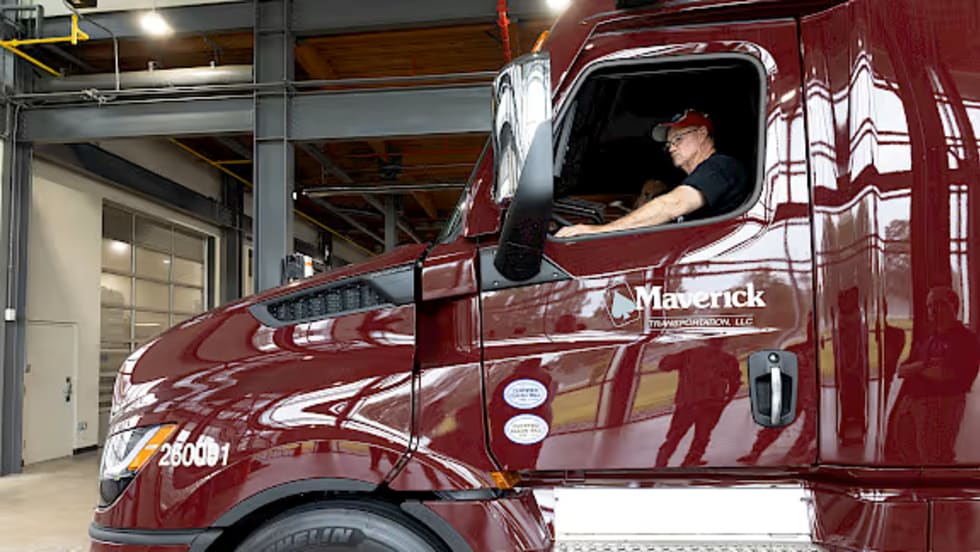
Maverick Announces 2026 Driver Pay Raises
New raises for Maverick Transportation drivers will take effect on May 31, 2026.
Read More →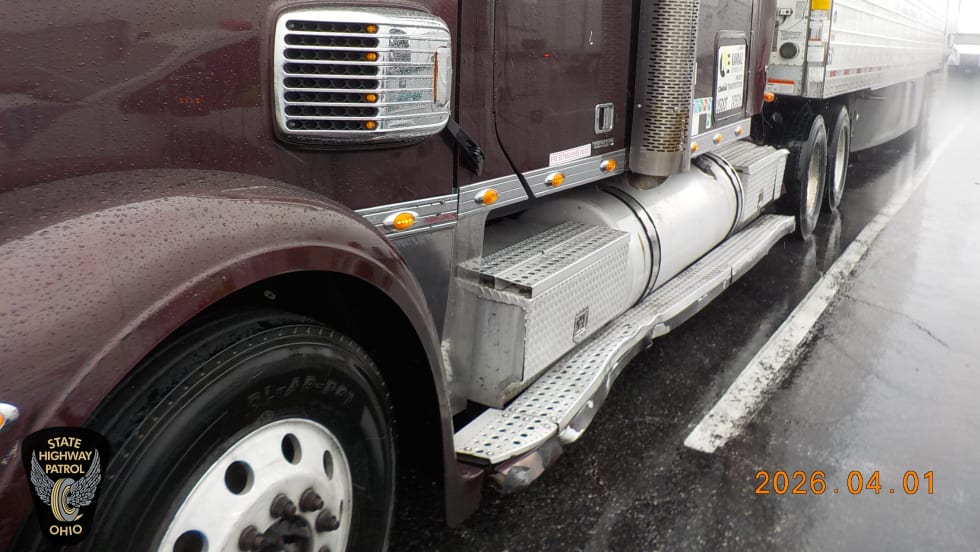
Illinois Trucker Indicted for Nearly $22,000 in Ohio Turnpike Toll Evasion
Authorities say an Illinois trucker avoided paying tolls for two years, and now faces felony charges, possible prison time, and forfeiture of his Freightliner tractor.
Read More →
New Trojan Driver Cargo Theft Scam Bypasses Carrier Vetting Systems
Cargo theft rings plant operatives as drivers inside legitimate, fully vetted carriers, then execute coordinated thefts that look like a traditional straight theft from the outside.
Read More →
WIM, Trucker Path Name Top 3 Women-Friendly Truck Stops
ATA’s Women In Motion Council and Trucker Path highlight three truck stops that meet all seven safety-focused criteria and rank highest among female drivers.
Read More →
FMCSA Extends Paper Medical Card Exemption … Again
Five states still aren't ready to accept commercial driver medical exam information directly from the medical examiner's registry.
Read More →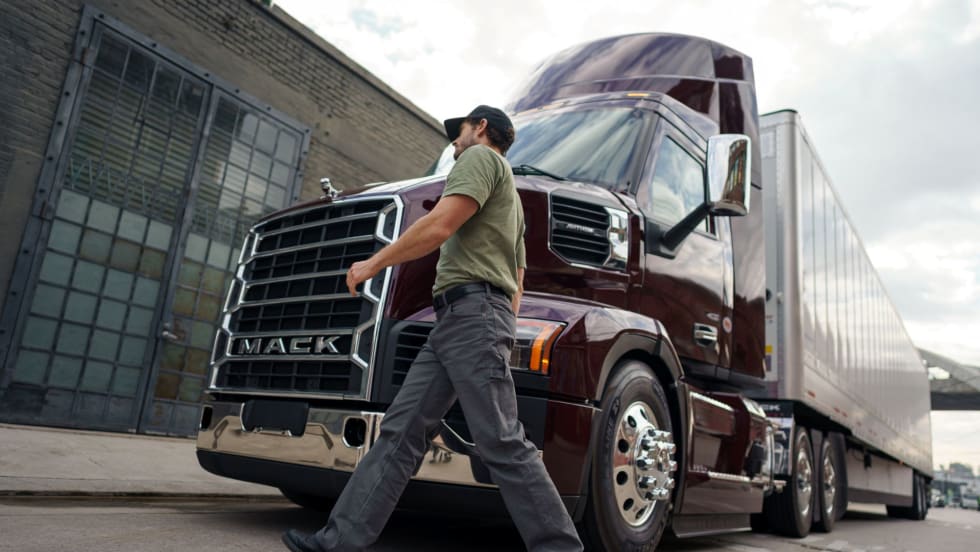
Mack Launches Digital Driver Guide for Chassis-Specific Truck Info
Mack’s new, virtual owner’s manual delivers VIN-based, on-demand guidance for vehicle systems via web, app, and soon in-cab displays.
Read More →
Western Star Showcases Truckers' Pride and Skill
Western Star is expanding its Star Nation Experience in 2026, adding new competitions and dealer participation to highlight operator skills and promote careers in trucking.
Read More →
Best Fleets to Drive For: Two Carriers Earn Overall Award for First Time
CarriersEdge announced the 2026 Best Fleets to Drive For overall winners, with Crawford Trucking, Fortigo Freight Services, and FTC Transportation receiving top awards.
Read More →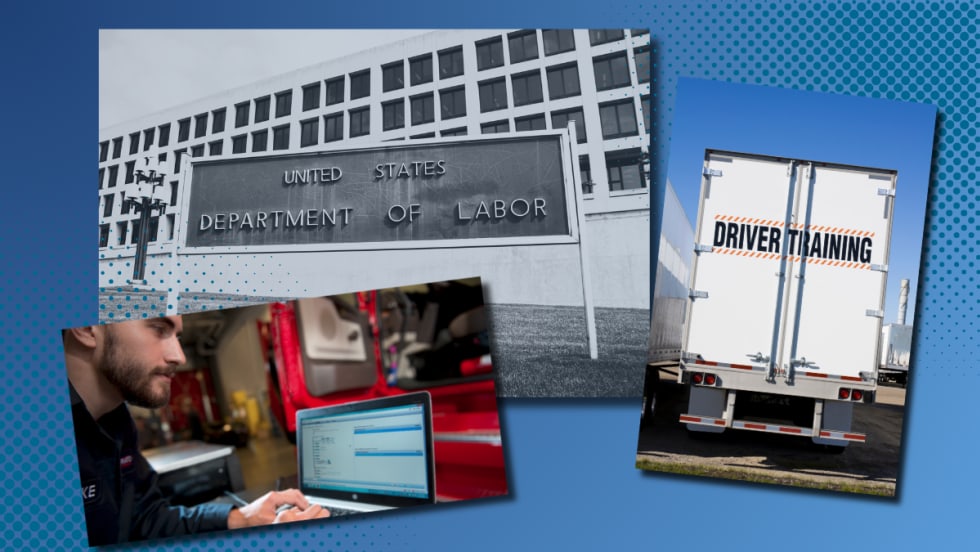
Federal Proposal Would Allow Pell Grants for Shorter-Term Job Training
The Department of Labor plans to expand Pell Grant eligibility to some shorter workforce training programs, a move the American Trucking Associations said will help strengthen commercial driver training schools and diesel technician training programs.
Read More →
Owner-Operator Model Gets Boost as DOL Proposes 2024 Independent Contractor Definition Reversal
For an industry that has watched this issue go back and forth for years, the independent contractor proposal marks the latest swing in the regulatory pendulum.
Read More →