




Mexican Officials Want U.S. Action on the Cross-border Trucking Dispute
Mexico will no longer accept a U.S. pilot program as a way of allowing Mexican trucks to operate in the U.S
Mexico will no longer accept a U.S. pilot program as a way of allowing Mexican trucks to operate in the U.S.
, the Journal of Commerce quoted a senior Mexican diplomat as saying on Friday.
"If you put in place a demonstration project similar to what we had, it can begin, but it can be defunded at any time," said Jose Luis Paz Vega, the head of the trade and North American Free Trade Agreement office at the Mexican embassy in Washington. "Mexico is not willing to take that any more. We need a program that is permanent, that has certainty, and complies with NAFTA. And we're not willing to accept anything less than that."
The dispute over granting Mexican trucks access to the U.S. market has been simmering ever since the NAFTA was signed in 1994. It came to a head in 2009, when the Democratic Congress put the brakes on a pilot project initiated by the Bush Administration in 2007.
In response to the Congressional move, Mexico imposed tariffs on U.S. goods valued at more than $2 billion in retaliation for the U.S. refusal to admit Mexican trucks. The tariffs are sanctioned since a NAFTA panel found the U.S. violated the terms of the trade agreement in 1998 by barring Mexican motor carriers.
Mexico escalated the fight over cross-border trucking in August by imposing import tariffs on an expanded list of U.S. products in retaliation for the U.S.'s failure to produce a plan to open the border.
"Mexico will continue to avail itself of all legal means to achieve full compliance by the United States under its commitments under the (North American Free Trade Agreement)," said the Mexican Embassy in a statement. At the same time, the statement continued, Mexico will continue to work with the administration and Congress to find a solution.
During last week's gathering at the Mexican embassy in Washington, Paz pointed out that it takes three trucks to move goods from Mexico to the U.S.: one that goes to the U.S. border, a second that drays the van across the border, and a third to move goods to their destination He called it an inefficiency that was harming the North American economy.
Paz said that the Obama administration appears ready to resolve the issue. "I think they are waiting until the right time to do it," the JOC quoted Paz as saying. "Unfortunately that time has not come now for 15 years."
Back in May, during a hearing of the Senate Transportation, Housing and Urban Development Appropriations Subcommittee, Transportation Secretary Ray LaHood said the Obama Administration was "very close" to announcing a plan that would resolve the cross-border trucking dispute with Mexico.
The issue was raised by Sen. Patty Murray (D-Wash.), chairman of the subcommittee, for the second time. Murray questioned LaHood about the same issue in March, when he said, "We are very near a proposal."
"Back in March, I urged you and the administration to move quickly to craft a plan to resume cross-border trucking with Mexico in a way that would address the safety concerns raised during the pilot and end the tariffs imposed by the Mexican government," Murray said at the time.
Murray wanted to make sure the proposal was really near this time around, interrupting LaHood with, "Sooner than soon?" LaHood responded saying, "It is closer than soon."
Unconfirmed reports circulating after Paz's comments suggest the administration is wait until after the Nov. 2 election to make any announcement on reinstating the cross-border trucking program.
More Drivers
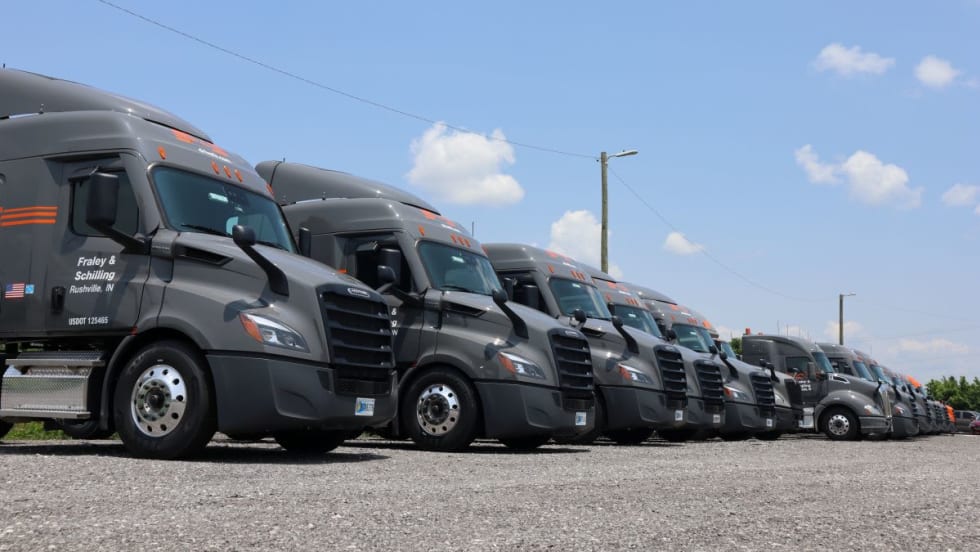
How Fraley & Schilling Improved Logbook Compliance by Over 50%
Fraley & Schilling needed a way to close a compliance workflow gap in its ELD system without adding more work from driver training, reminders, and back-office follow-ups. It found the answer in a custom driver app.
Read More →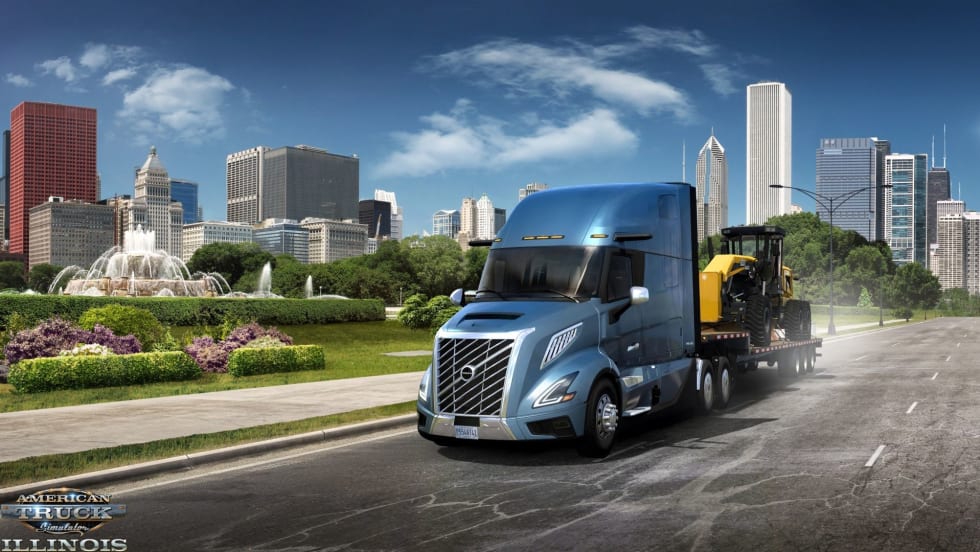
Volvo Goes Gaming
Volvo has roared into American Truck Simulator with two new flagship trucks.
Read More →
What the Best Fleets to Drive For Teach About Driver Retention
Survey fatigue, AI-powered routing, owner-operator expectations, and the decline of social media all emerged as themes from this year's Best Fleets to Drive For program.
Read More →
Driver Retention Lessons From the Best Fleets to Drive For
What separates trucking's best workplaces from the rest? Jane Jazrawy shares the biggest lessons from this year's Best Fleets to Drive For program on driver retention, communication, AI, and workforce trends on the HDT Talks Trucking podcast.
Read More →
Farewell, CDL: Why I'm Giving Up My Commercial Driver's License
After more than 20 years as a CDL holder, HDT Executive Editor Jack Roberts is letting his commercial license expire. Not because he wants to — but because trucking's nuclear verdict crisis has made the risks of public-road test drives too great for editors, manufacturers, and everyone involved.
Read More →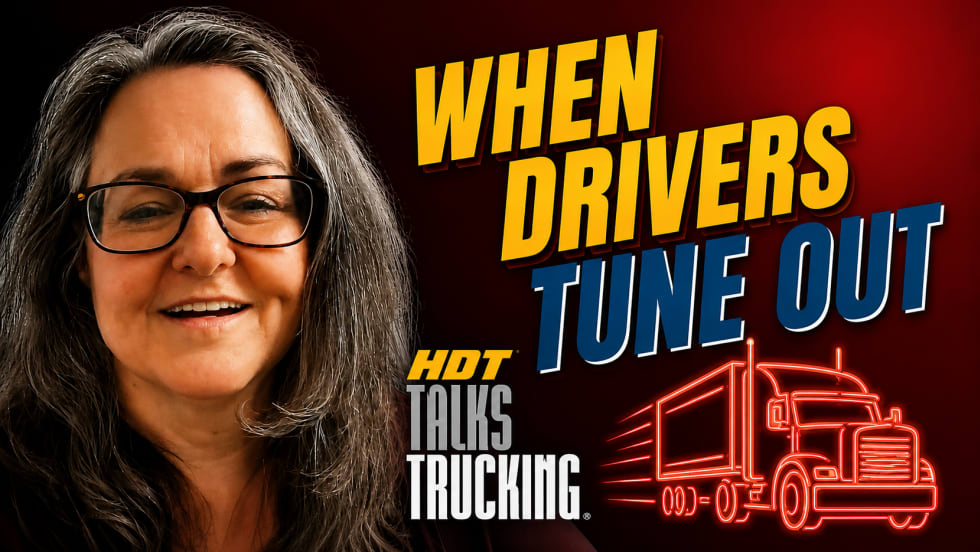
How Top Trucking Fleets Improve Driver Retention [Video]
What do healthy snacks, optimized routing, and just picking up the phone have in common? They're all strategies the Best Fleets to Drive For are using to retain truck drivers.
Read More →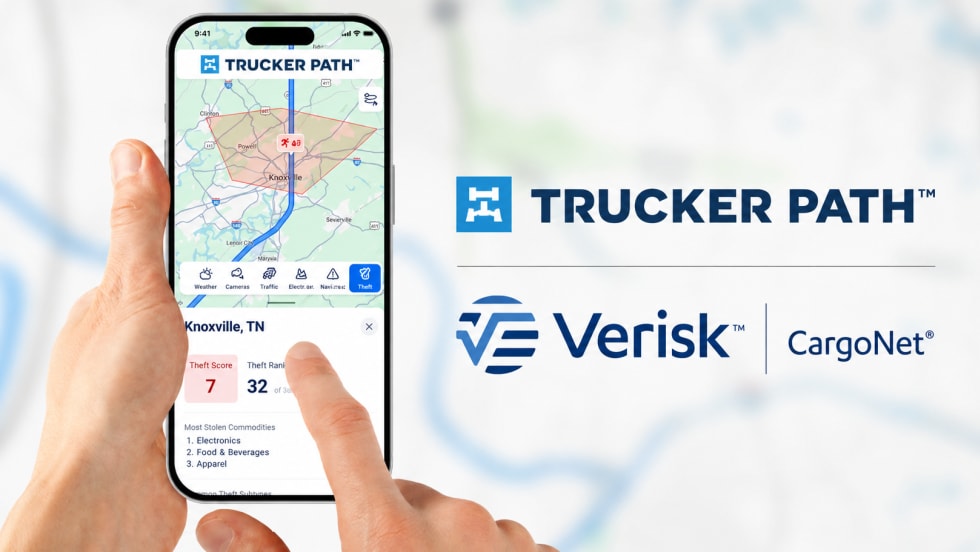
Trucker Path Adds Verisk CargoNet Theft Data to Navigation Platform
Trucker Path’s new cargo theft risk overlays give drivers and fleets visibility into high-risk areas, stolen commodity trends, and theft hotspots.
Read More →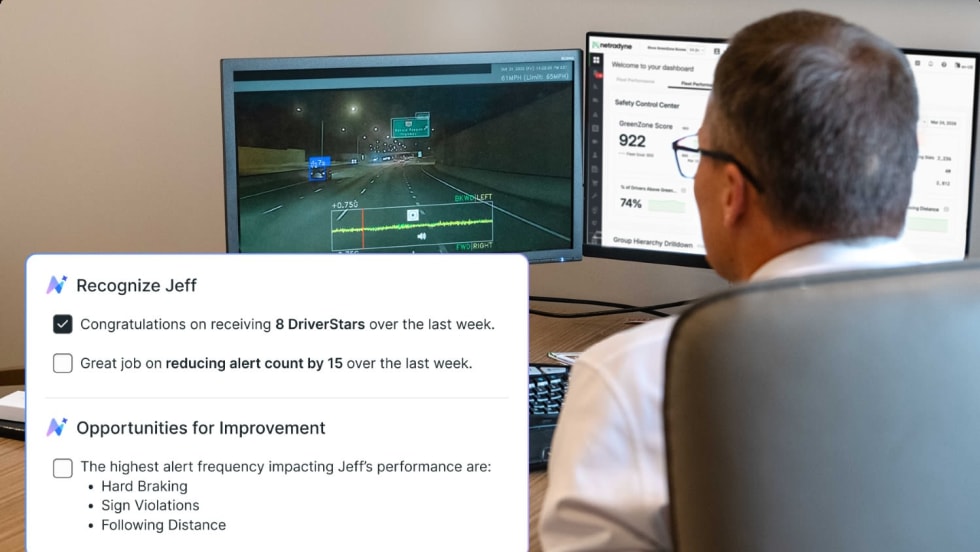
Netradyne Intelligence Uses New AI Agents to Automate Response to In-Cab Camera Data
The company called the next-generation in-cab camera safety platform "a fundamental shift from systems that report on what happened to systems that actively drive what should happen next."
Read More →
Why Truck Detention Keeps Costing Fleets Time and Money
A 2024 ATRI study found detention affects nearly 40% of truckload stops and costs the industry more than $15 billion annually. Despite the toll on drivers, fleets, and supply chains, the problem remains stubbornly persistent.
Read More →
Prime Inc. to Open $7.9M Flagship Used-Truck Dealership
A new driver-focused facility to sell Prime Inc's used trucks and trailers will be the first purpose-built location in the company's history.
Read More →