




Mexican Border to Open by End of Year
Mexican trucks will be able to haul international freight throughout the United States by the beginning of next year, if the Department of Transportation’s timetable holds

Mexican trucks will be able to haul international freight throughout the United States by the beginning of next year, if the Department of Transportation’s timetable holds.
And within the next couple of months, according to the schedule, Mexicans will be able to invest in or establish international trucking companies in the U.S.
Transportation and trade officials from both countries agreed on this much at a March 22 meeting in Mexico City. What remains to be determined are the details of a regulatory scheme to ensure the safety of Mexican trucks as they ply U.S. Interstates.
The Federal Motor Carrier Safety Administration is working on a proposal that will require Mexican companies to comply with all U.S. safety and operating standards. They will, for example, have to maintain driver qualification records and ensure that drivers undergo drug and alcohol testing. They also will have to obtain insurance through a company licensed in the U.S.
In fact, Mexican companies face a host of compliance issues over and above U.S. safety rules. They must unravel a complex set of cabotage and customs rules governing domestic operations of a foreign entity (see "Concerned About Cabotage"). Their equipment will have to comply with U.S. standards enforced by the National Highway Traffic Safety Administration. They will have to abide by U.S. size and weight restrictions, pay U.S. fees and taxes, and provide cargo insurance. And then there are ordinary business concerns, such as contracts, leases, taxes and environmental rules, to name a few.
Around 190 Mexican trucking companies have longstanding applications for authority in the U.S. It is not yet clear whether they will have to reapply under the new regulatory scheme.
These general terms are the first step in negotiations to resolve a conflict between the U.S. and Mexico over the North American Free Trade Agreement.
Under the agreement, Mexican and U.S. trucks were supposed to get access to border states in 1995, and to the entirety of each country last year. But the Clinton administration, under pressure from labor unions concerned about jobs and safety, reneged on those terms. Mexico protested, and last year a NAFTA arbitration panel agreed that Mexico has been harmed and deserves reparations.
According to Dave DeCarme, head of DOT’s Maritime, Surface, and Facilitation Division, Mexico is refraining from demanding reparations right now. He said that at the Mexico City meeting, "Mexico was pleased with what they saw as a sincere commitment on the part of the U.S. to address the issues in a constructive way."
While the border opening is reciprocal – U.S. trucks will have equal access to Mexico – the investment provisions are more protective of Mexico. Mexicans will be able to invest in or own 100% of international freight transport companies based in the U.S., but U.S. citizens will be limited to 51 percent ownership in Mexico. Full investment rights will not come to U.S. citizens until Jan. 1, 2004, a provision of NAFTA intended to protect Mexican companies from their larger, better capitalized competitors from the north.
DeCarme also said that DOT intends to invest more money in safety enforcement. That is partly in response to pleas from some of the border states, Texas in particular, for federal assistance. DeCarme said President Bush’s budget for the next fiscal year will contain more money for inspectors and border facilities.
Also see today's story, "U.S., Mexican Truck Safety Systems Different."
More Equipment

More Trailer Data Through the Same Seven-Way [Video]
Can trucking’s standard seven-way connector handle more cameras and trailer data? Grote’s Adam Slade shows HDT how the company is using new technology with its 4See trailer system, not only to add a new backup camera but also to expand other capabilities — without adding another connection.
Read More →
Grote: More Cameras, Same Seven-Way Connector
The next-generation 4See rear-view backup camera from Grote uses the standard seven-way connector and supports additional cameras and other trailer data.
Read More →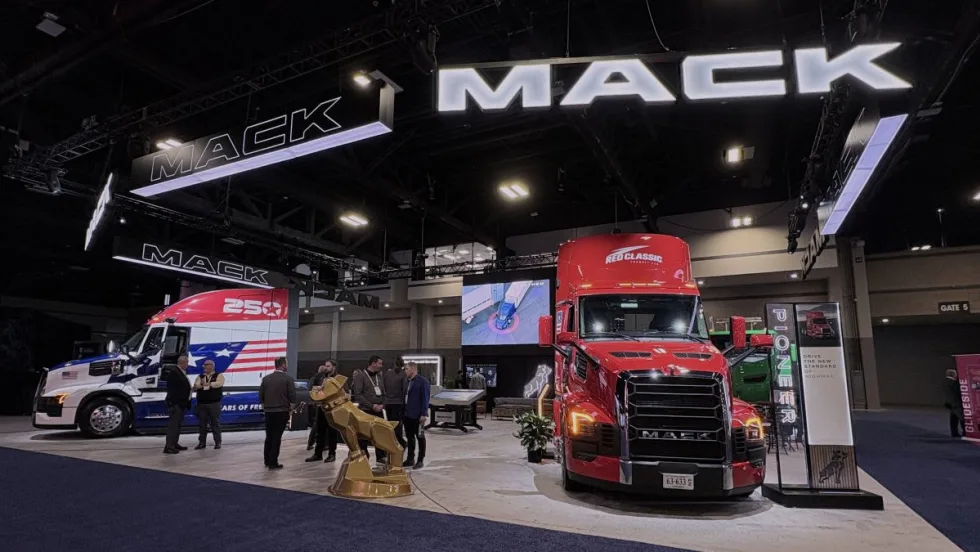
Trucks at ATA's 2026 MC&E in Charlotte, North Carolina [Photos]
From rigs decked out in patriotic America's 250 paint schemes to autonomous trucks and more, check out these photos from ATA's 2026 Management Conference & Exhibition.
Read More →
Help HDT Find Trucking’s Top Products
Have you come across a new product that could make a difference for trucking fleets? Nominate it for HDT’s 2027 Top 20 Products Awards by November 9.
Read More →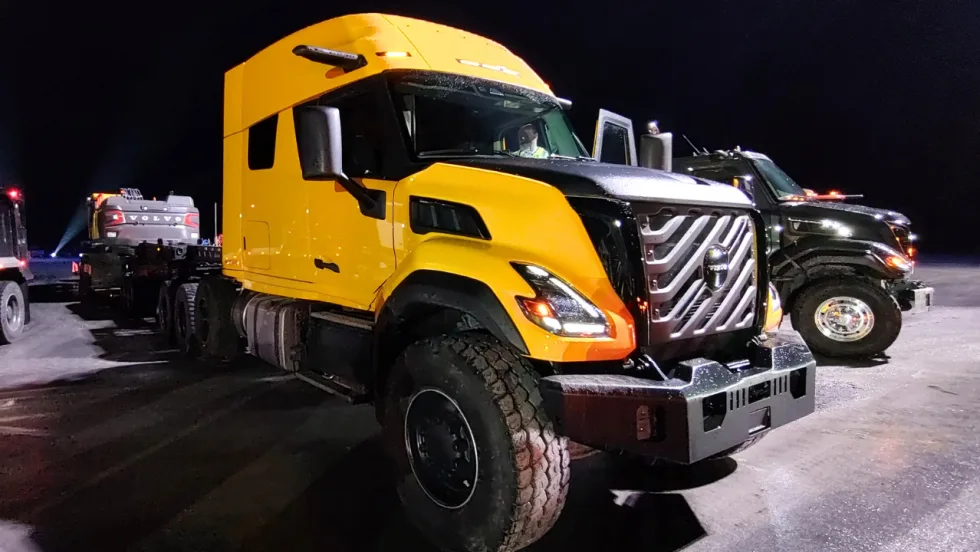
Volvo Unveils New VNX Heavy-Haul and Vocational Truck
Volvo Trucks has launched the VNX, a new vocational truck also available as a tractor in day cab and two sleeper configurations, with one heavy-haul model. The Volvo VNX is powered by Volvo's D13 platform, which delivers up to 540 horsepower and 1,950 pound-feet of torque and is EPA 2027-compliant.
Read More →
How GP Transco Cuts Trucking Fuel Costs, a Tenth of a Gallon at a Time
What’s another tenth of a mile per gallon worth? GP Transco shares how equipment upgrades and driver coaching turn small gains into meaningful fuel savings.
Read More →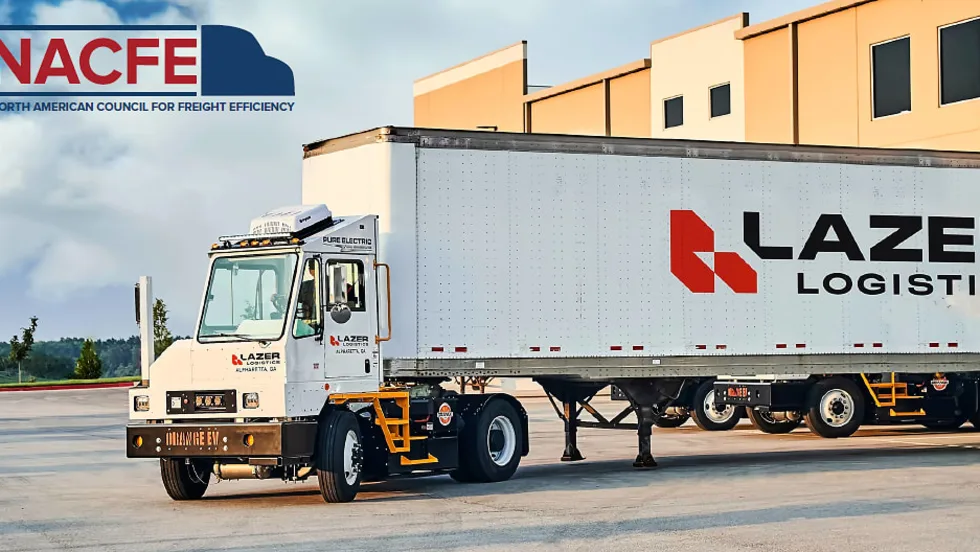
Electric Yard Tractors Move Beyond Pilots
Operating-cost savings have overtaken sustainability goals as the leading reason surveyed fleets are adopting battery-electric terminal tractors, according to new NACFE research.
Read More →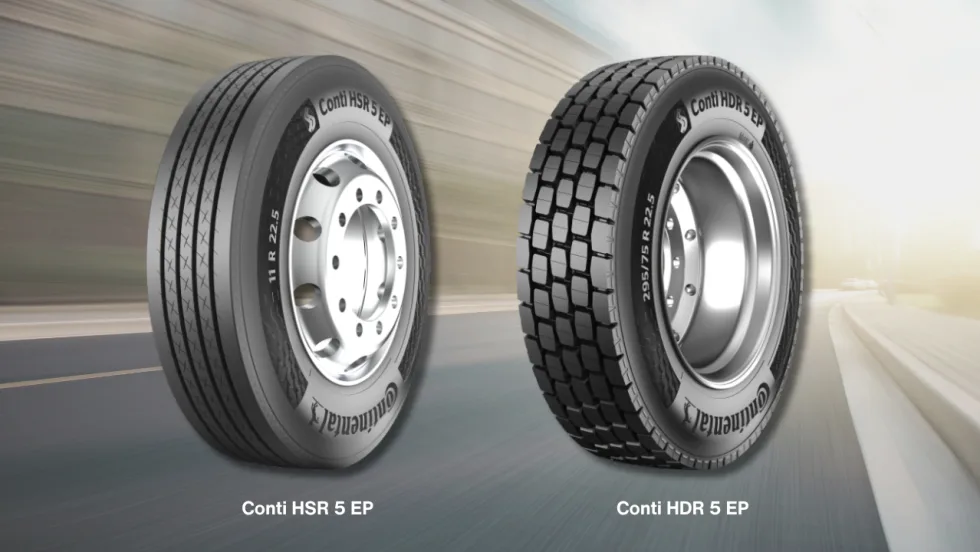
Continental Introduces New Regional Truck Tires
Continental says its new Generation 5 steer and drive tires for regional operations offer longer tread life, with estimated mileage gains of 22% and 19%, respectively.
Read More →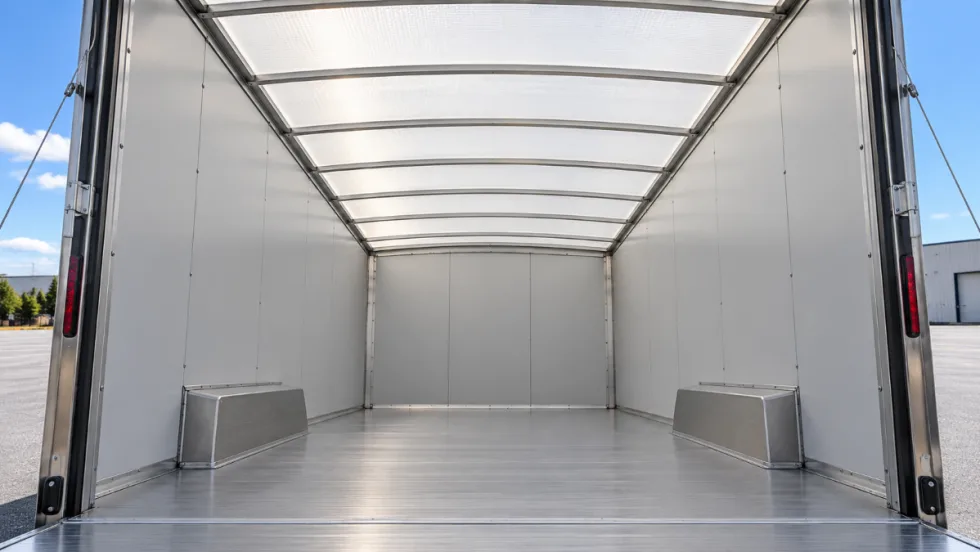
Tekmodo Introduces CargoBright Brand for Translucent Trailer Roofs
CargoBright is designed to diffuse daylight across the cargo area while performing as a working vehicle roof.
Read More →
Fleet Economics Shape Electric Truck Outlook
ACT Research expects costs, charging infrastructure, and technology improvements to drive zero-emission commercial vehicle adoption as federal regulations and incentives retreat.
Read More →