





Related: New eSprinter Will Be Built in U.S.
Mercedes-Benz Sustaineer: Sprinter-Based Van Shows Sustainable Solutions
Mercedes-Benz said its Sustaineer “technology demonstrator,” based on the eSprinter battery-electric van, is “a tangible impression of just how sustainability in urban delivery operations may look in the future.”
October 28, 2021
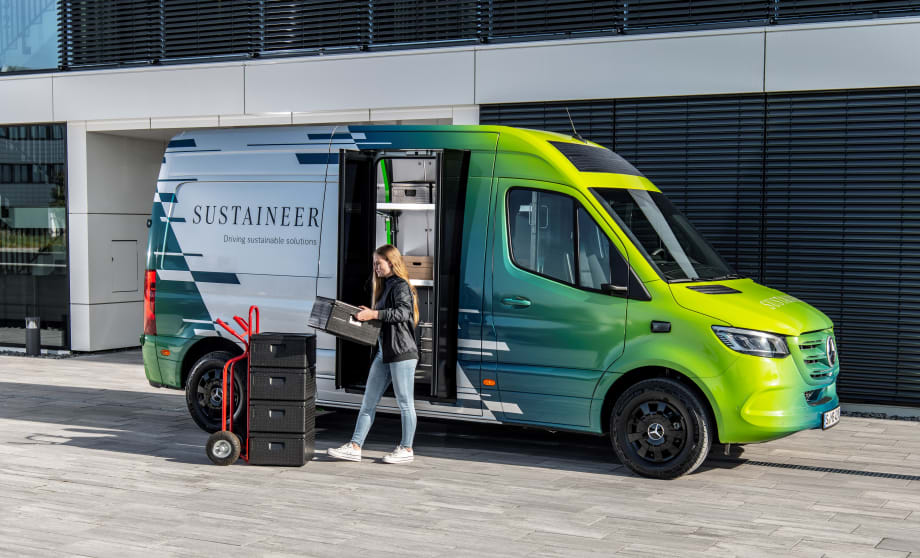
The eSprinter-based Sustaineer demonstrates tehcnology solutions to help achieve a “sustainable, electric, and digital future," said Ulf Zillig, Head of Development and Product Development, Mercedes-Benz Vans.
Credit:
Mercedes-Benz Vans
5 min to read
The Mercedes-Benz Sustaineer, a “technology demonstrator” based on the eSprinter battery-electric van, was revealed on Oct. 27 as “a tangible impression of just how sustainability in urban delivery operations may look in the future.”
The Sustaineer is aptly named. It’s fitted from its undercarriage to its roof with a range of innovative sustainability features. Built on the fully electric architecture of the eSprinter, it demonstrates solutions the OEM said will improve the quality of life in cities, conserve resources and protect the global climate, and enhance the health and safety of last-mile drivers along with that of other road users.
“The Sustaineer demonstrates the systematic implementation of our sustainable business strategy,” said Marcus Breitschwerdt, Head of Mercedes-Benz Vans, at the vehicle’s reveal in Stuttgart, Germany. He added that the Sustaineer “pools together a large number of innovations and solutions from Mercedes-Benz Vans and shows the contribution the commercial transport sector can make to climate neutrality, liveable cities, and the conservation of resources.”
Ulf Zillig, Head of Development and Product Development, Mercedes-Benz Vans, said the Sustaineer presents solutions to help achieve a “sustainable, electric, and digital future.” He noted that innovations installed in the tech demonstrator have been developed “with a view to their future series [production] implementation at Mercedes-Benz Vans.”
Feature-rich
The Sustaineer boasts such features as specialized filters on the front module and underbody to capture fine particles coming up off the road (the result of wear from tires, brakes, and asphalt) to cut the van’s emissions by more than 50%.
To reduce fine particle emissions from brake wear, the Sustaineer is fitted with innovative cast iron brake discs with a ceramic coating. The OEM said this spec further reduces wear and the associated production of fine particles. This also increases the service life of the components. “The combination of a regenerative braking system and the ceramic-coated cast iron discs makes the goal of the wear-free brake disc achievable.”
The low rolling resistance of the van’s tires also helps improve urban air quality. The lower the rolling resistance, the lower the rubber wear and therefore the particle emissions, Mercedes-Benz stated.
Solar roof
A “solar roof’ generates enough energy to extend the van’s range by several thousand kilometers a year. The extremely flat solar panels fit seamlessly to the contour of the vehicle roof and produce a maximum peak power of 850 watts on a surface of 5.75 square yards.
The photovoltaic system is “permanently active” and continues to produce energy when the ignition is switched off. Featured as well on the Sustaineer is the innovative use of recycled materials to “demonstrate the potential of a circular economy.”
Heat where it helps
Inside the van, thermal efficiency is increased by providing heat close to drivers and passengers, rather than heating the air, to improve comfort and extend vehicle range. Both the steering wheel and the seat belt can be heated.
The seat belt has extremely fine heating filaments with a woven-in electrical output of 70 watts. According to the OEM, this provides “a pleasant degree of warmth to the upper body, where a particularly large number of temperature receptors are found.” The seat belt also has a more rapid warming effect than a heated seat.
Speedy door
The Sustaineer also shows off the Speed Delivery Door developed by Mercedes‑Benz Vans. This not only boosts ergonomics and efficiency, it also opens and closes much more quietly than conventional sliding doors. An automatic, sensor-controlled double swivelling door on the front passenger seat side, it replaces the side sliding door to the load compartment “on request.”
A light barrier detects the driver as soon as he or she leaves the seat and enters the load compartment. Then the Speed Delivery Door unlocks itself and opens automatically and quietly, a bonus for city residents compared with the noise of a sliding door, especially if dirt has collected in the door track over time.
From the inside, the Speed Delivery Door is transparent so the driver can see the pavement before climbing out. There’s also a monitor on the door that displays the image from the electronic Mirror Cam that replaces the conventional exterior mirrors. “In this way, the system makes a major contribution to safety – both for the driver and other road users,” Mercedes-Benz noted. “The risk of collision with passers-by, in particular cyclists, is significantly reduced.
Look, no mirrors
Instead of conventional large exterior mirrors, the Sustaineer is fitted with two digital Mirror Cams. These increase the field of vision and therefore the safety of the driver and other road users, including pedestrians and cyclists. At the same time, the compact design of the camera attachment on the cab reduces drag and energy consumption. Inside, the driver can see two displays showing the precise views of the cameras. The screens are integrated directly into the windshield. They can easily be removed and reattached, should the windshield need replacing due to stone chip damage.
Another digital mirror replaces the traditional interior rear-view mirror. This camera system shows the traffic conditions behind the vehicle even when it is not possible to see directly to the rear – such as with windowless rear doors or a fully loaded cargo area. The digital rear-view mirror also serves as a monitor for the Cargo Cam that provides a clear view into the load compartment. With this setup, a partition window is no longer needed. The Sustaineer also has an additional exterior mirror monitor on the Speed Delivery Door to enable the driver to exit safely.
Electric view
The OEM stressed that its commitment to “electromobility” is central to advancing sustainable technology, stating that Mercedes-Benz is “preparing to go fully electric before the end of the decade – wherever market conditions allow.”
Part and parcel with that, the company said that from the middle of this decade forward, all its new vehicle architecture will be electric only, including a completely new van architecture, called VAN.EA, now under development.
Mercedes-Benz Vans also said that in the second half of 2022, it will be successively roll out a sustainable repair concept in all van segments to prolong the life cycle of the high-voltage batteries installed in these vehicles.
“To the three Rs in the circular economy of ‘reduce, reuse, recycle,’ a fourth can now be added: ‘repair.’” In addition, Mercedes-Benz Vans said that by 2030, it aims “to reduce the use of primary resources used in drive systems and battery technology by 40% compared with today’s figure.”
More Fuel Smarts
Cummins Adjusts 2027 Engine Rollout After EPA Proposal
The engine maker will gradually introduce its new Model Year 2027 diesel engines while continuing to offer current models during the transition, citing the EPA's proposed emissions rule changes.
Read More →
EPA Proposal Could Ease 2027 Truck Costs and Buying Uncertainty
The proposal doesn't change the tougher NOx standard, but it would revise key implementation requirements that manufacturers say have driven up costs and complicated fleet purchasing decisions.
Read More →
Cummins, Paccar Ease DEF Derates After EPA Guidance
Updated diesel engine software gives truck operators more time to address emissions-system issues while staying compliant with EPA emissions standards.
Read More →
Maintenance in the Messy Middle Part 3: Biodiesel
Biodiesel can reduce emissions, improve fuel-system lubricity and use existing diesel infrastructure. But NACFE’s Messy Middle maintenance report says fleets must actively manage storage, cold-weather operation, filters and oil drain intervals to avoid problems.
Read More →
Enhance Fleet Performance with High-Efficiency Auxiliary Power Units
Drive sustainable cost savings while increasing driver comfort during short- and long-haul logistics operations.
Read More →
Maintenance in the ‘Messy Middle’ Part 2: Renewable Diesel Fuel
NACFE's latest Messy Middle Powertrain Service & Maintenance report says renewable diesel gives fleets an opportunity to reduce carbon emissions without changing trucks, fueling infrastructure or maintenance practices. But technicians still need to understand several important operational differences.
Read More →
The Diesel Engine Enters NACFE’s ‘Messy Middle’
NACFE’s new Messy Middle Powertrain Service & Maintenance report says keeping modern diesel engines running now depends as much on software, diagnostics and data as traditional mechanical service.
Read More →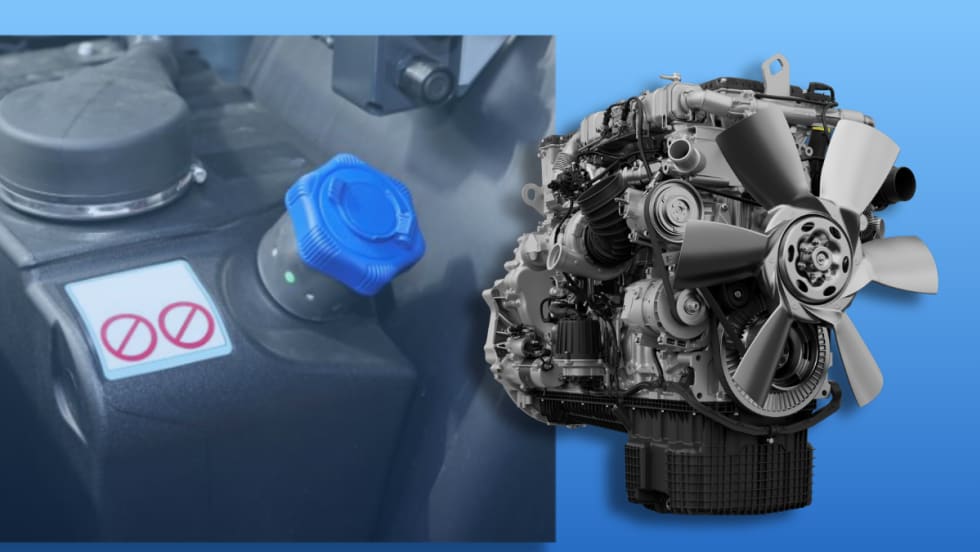
DTNA Software Update Gives Truckers More Time Before DEF Derates Take Effect
The changes reflect EPA guidance aimed at reducing downtime caused by emissions-system faults while maintaining compliance requirements.
Read More →
New Agentic Predictive Maintenance Report Demonstrates How Degraded Aftertreatment Systems Waste Fuel
Questar analyzed a large mixed-class fleet and discovered it was wasting as much as $30 in fuel per vehicle, per day, because of mechanically degraded aftertreatment systems.
Read More →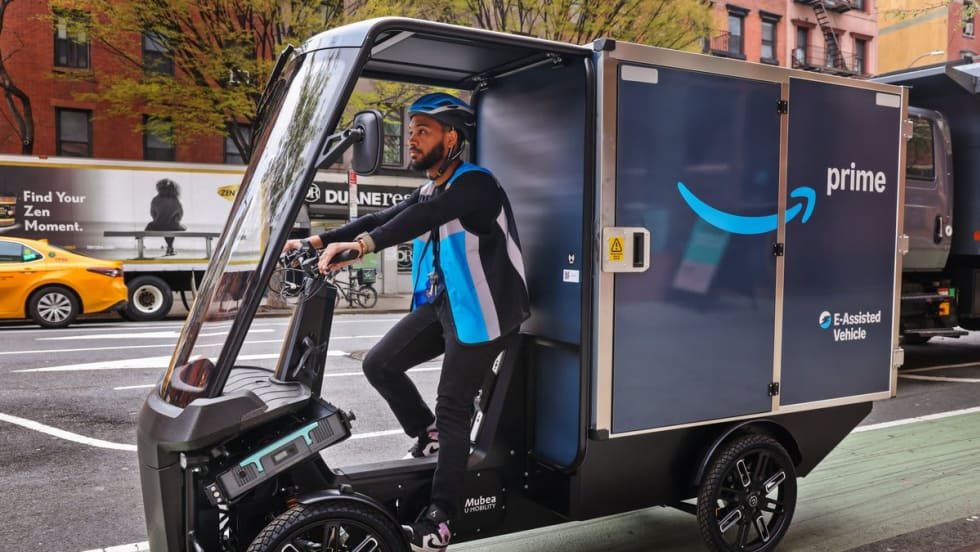
New York City's Microhub Project is Delivering Results
Trucking, last-mile delivery companies, and environmental advocates like what they are seeing so far with New York's microhub program.
Read More →