





Related: McLeod Software Targets 'Extreme Connectivity' for Truck Fleets, Brokers
McLeod Software Introduces Driver Choice and Trip Management
McLeod’s newest version of its LoadMaster transportation software, Version 19.1, marks the debut of LoadMaster Driver Choice, a tool fleets can use to better match loads and drivers, as well as a new Trip Management module.
May 20, 2019
3 min to read
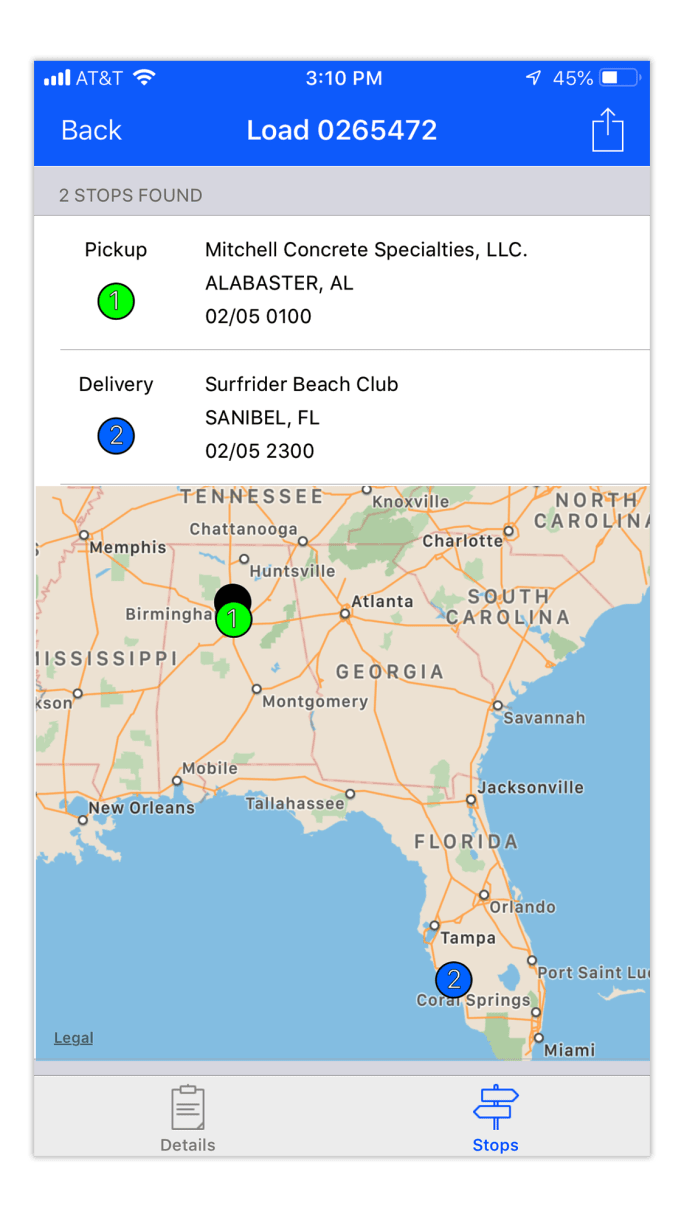
McLeod Driver Choice gives drivers more input into the loads they haul.
Photo courtesy McLeod
McLeod’s newest version of its LoadMaster transportation software, Version 19.1, marks the debut of LoadMaster Driver Choice, a tool fleets can use to better match loads and drivers, as well as a new Trip Management module.
Driver Choice allows fleets to give their drivers the ability to record their load preferences, effectively requesting the loads that are the best match for those preferences. It also gives carriers the ability to offer their drivers choices about available loads when possible. For owner-operators in fleets using Driver Choice, it means their carrier is giving the driver better tools to run their business successfully within the fleet, especially when paired with the McLeod Driver Mobile App and the information that app provides about pay, and the ways it expedites the settlement process.
LoadMaster Trip Management is another new module released in version 19.1 This module gives carriers the tools to interactively plan details of trips with the driver's input, and actively manage those trips while they are under way. Using a driver's current Hours of Service and position information, a trip plan is created and displayed in LoadMaster. Taking into account road conditions, live and historical traffic patterns, and driver breaks provides better visibility for customers to enhance the accuracy of real-time Estimated Time of Arrival at customer stops and actual arrival time at locations.
The trip plan feeds McLeod's ETA/Out-of-Route module to let the carrier's staff know when trucks are late for scheduled stops or out of their recommended routes. It also interacts with McLeod's existing Driver Feasibility functions to enhance the accuracy of planning. McLeod's Driver Feasibility function determines whether or not a driver can physically pick up and deliver the load on time based on their current position, the distances involved, the appointment windows for pick-up and delivery, and their available HOS to accomplish the trip. Using all of this information to account for events, rest breaks, delays, detention, changing situations in weather, and even rerouting when necessary, allows planners to generate a significantly better dispatch trip plan.
The interactive nature of McLeod's new Trip Management module gives the driver the opportunity to be part of the planning process.

McLeod Trip Management module gives carriers the tools to interactively plan details of trips with the driver's input, and actively manage those trips while they are underway.
Photo courtesy McLeod
New Capabilities for LTL, Brokers
The Delivery Routing Optimization module in LoadMaster LTL now optimizes the sequence of deliveries routed on a local movement. Route Optimization takes a set of routed deliveries and optimizes the stops based on minimal drive time, while considering appointment commitment freight, a location's open and close times, and the time spent unloading per stop.
This module also considers potential turn time to allow for pickups based on ending at a specific delivery point. This speeds up the complete delivery routing process by suggesting a planned optimized route, while giving users the ability to make adjustments before finalizing a route.
The Capacity Planning module developed for LoadMaster LTL provides a global view of the freight passing through a carrier's network with visibility to better plan routes both inbound and outbound. The network may include company-owned locations or third-party locations. This module provides views with different aspects of route planning, including local and linehaul, inbound and outbound, pieces and weight, and revenue. Planners can easily view all regularly scheduled routes and the volumes within those routes to make better decisions and manage the daily changes of added or cancelled routes.
McLeod Software offers PowerBroker users a new integration with HubTran to quickly process incoming carrier documents and invoices. Powerbroker communicates load and carrier data to HubTran and returns approved invoice data and documents to PowerBroker. When the carrier sends in invoices and supporting documents for billing, the audit process is completed more quickly to allow brokers to bill faster with less cost and effort from the back office.
More Fleet Management
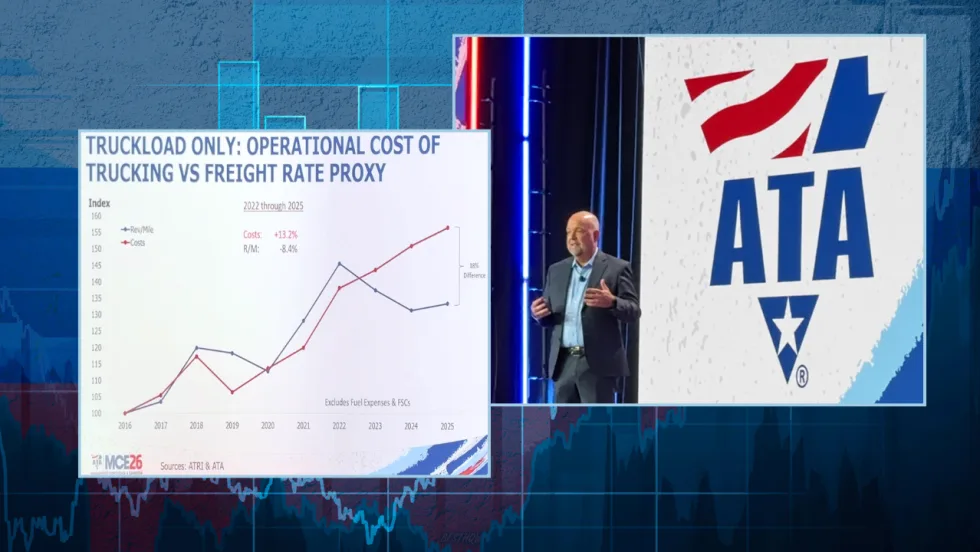
Why This Trucking Recovery Is Different
Freight demand remains sluggish, but rising costs and tougher enforcement have taken enough capacity out of the market to change the outlook for motor carriers.
Read More →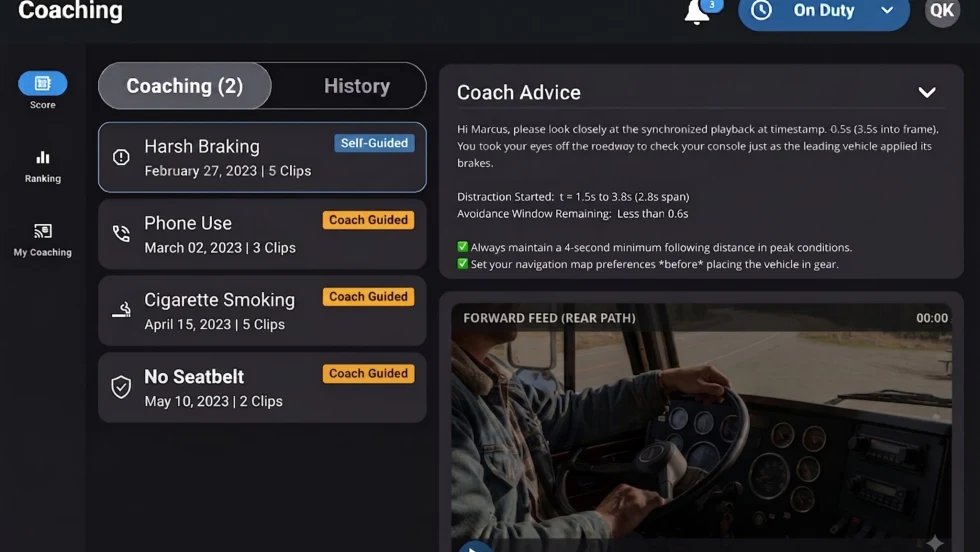
Platform Science Adds Dispatch and Safety Tools
Four additions to PS Fleet help fleets monitor loads, manage driver coaching, share truck locations and adjust video system settings.
Read More →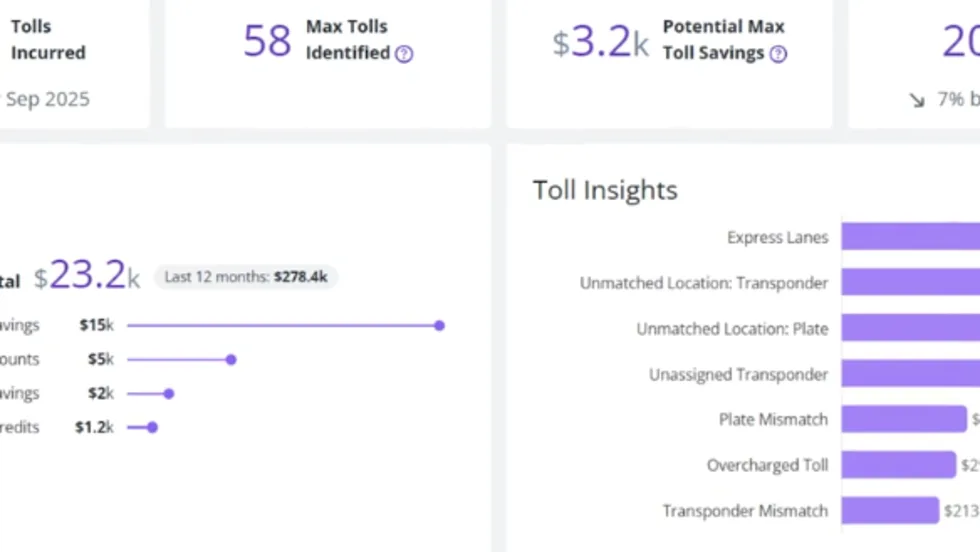
PrePass Intelligence Mines Fleet Bypass, Toll and Safety Data
PrePass Intelligence helps fleets measure bypass savings, flag potential toll overcharges, and spot suspicious transactions by combining data from separate systems.
Read More →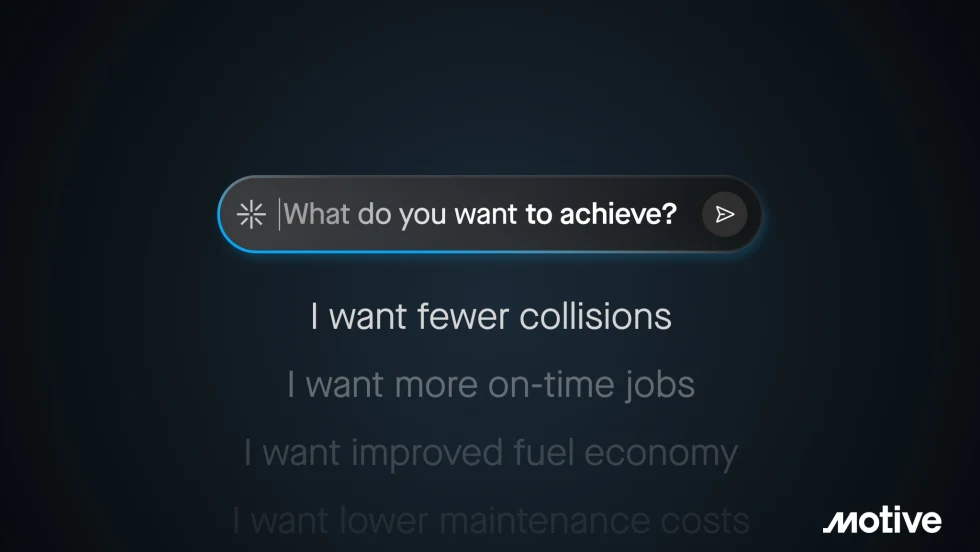
Motive Adds AI Agents for Fleet Operations
New tools automate follow-up on fleet data, from maintenance work orders to driver alerts, with two-way voice conversations planned for later this year.
Read More →
Can You Beat Our Trucking Trivia Challenge?
Test your truck knowledge with 19 trivia questions from Heavy Duty Trucking Exchange. Can you keep up with the fleet pros?
Read More →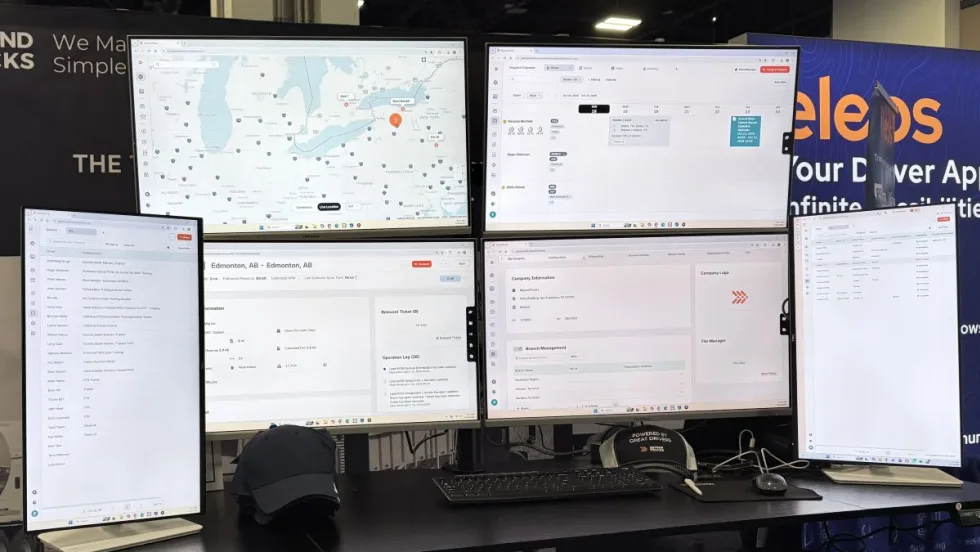
BeyondTrucks Adds Rules Checks to Dispatch
New Compatibility Engine checks driver qualifications, equipment requirements and fleet policies before loads are dispatched.
Read More →
Diesel Prices Hijack Trucking’s Worry List
ATRI’s annual survey finds cautious optimism about freight, but diesel costs, litigation, and insurance continue to squeeze fleets. Drivers have different priorities on several issues.
Read More →
Nomination Deadline Extended for HDT Emerging Leaders
Just a few more days to nominate accomplished trucking fleet professionals under 40 who are making an impact and helping lead the industry forward for the HDT Emerging Leaders award. Deadline extended to October 20!
Read More →
What Will ATA’s New Leader Bring to Trucking's Table?
Incoming President and CEO Mark Colson’s record in Alabama offers clues about his priorities and approach following Chris Spear’s abrupt departure as the head of the American Trucking Associations.
Read More →
Volvo, Waabi Start Commercial Autonomous Operations in Texas
Volvo VNL Autonomous trucks, powered by the Waabi Driver, are hauling freight directly to third-party facilities for a customer in Texas.
Read More →