




Massive Container Ship Arrives at Port of NY/NJ
The largest container vessel ever to call on the Port of New York and New Jersey arrived at on July 8, having steamed from the recently expanded Panama Canal locks.
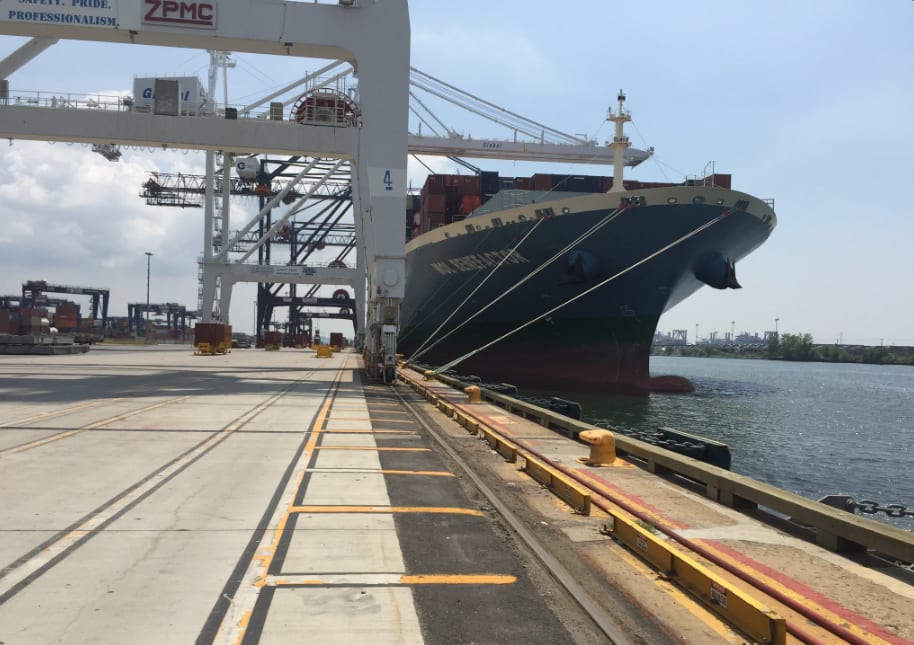
Photo via Global Container Terminals Twitter
Photo via Global Container Terminals Twitter
The largest container vessel ever to call on the Port of New York and New Jersey arrived on July 8, having steamed from the recently expanded Panama Canal locks.
The ship, called Mol Benefactor, is a new Panama-class vessel with a container capacity of 10,100 TEUs (twenty-foot equivalent units), more than double the average size of a ship callng at the East Coast port. The ship arrived at the GCT Bayonne terminal, which was expanded in 2014 to accommodate ships of its size.
Ships of that size have been passing through the Suez Canal for a few years and GCT Bayonne also received the previous record-holder for largest ship at the Port of N.Y. and N.J., the 10,070-TEU Zim Tianjin in spring 2015.
"Today's event shows that we are big ship ready and that shippers can move cargo to and from New York and New Jersey and beyond on larger, more fuel efficient vessels, carrying consumer and industrial goods in fewer calls," said Pat Foye, Executive Director of the Port Authority of New York and New Jersey. "This is great news for the 336,000 jobs the port already supports and the billions in economic activity it provides. But equally important, it's good news for the environment in and around the harbor."
By using larger ships, ports can receive cargo using fewer vessels. The Panama-class ships also feature environmentally advanced engineering, reducing the emissions per ship and emissions for total cargo handled.
The Mol Benefactor, which was christened in 2016, is approximately 48.6% more fuel efficient than a standard Panamax vessel that calls on the port, according to PANYNJ.
PANYNJ and its private-sector tenants have invested $6 billion in projects to prepare the port complex. The preparations includes raising the roadway on the Bayonne Bridge, increasing the navigational clearance under the bridge from 151 feet to 215 feet. The change will be in place by the end of 2017, allowing all terminals to serve the largest ships calling on the port.
A 10-year project to deepen the harbors channels to 50 feet will also be completed this summer. PANYNJ has also invested $600 million to equip port terminals with environmentally-friendly on-dock rail, as well as upgrades to the port’s internal road network.
“We welcome the Mol Benefactor to our port and look forward to other large ships visiting the port in the coming weeks," said Molly Campbell, PANYNJ port commerce director. "Today's ship call validates that we are open for business and that we are big ship ready now that the Panama Canal project is complete."
More Fleet Management
Why This Trucking Recovery Is Different
Freight demand remains sluggish, but rising costs and tougher enforcement have taken enough capacity out of the market to change the outlook for motor carriers.
Read More →
Platform Science Adds Dispatch and Safety Tools
Four additions to PS Fleet help fleets monitor loads, manage driver coaching, share truck locations and adjust video system settings.
Read More →
PrePass Intelligence Mines Fleet Bypass, Toll and Safety Data
PrePass Intelligence helps fleets measure bypass savings, flag potential toll overcharges, and spot suspicious transactions by combining data from separate systems.
Read More →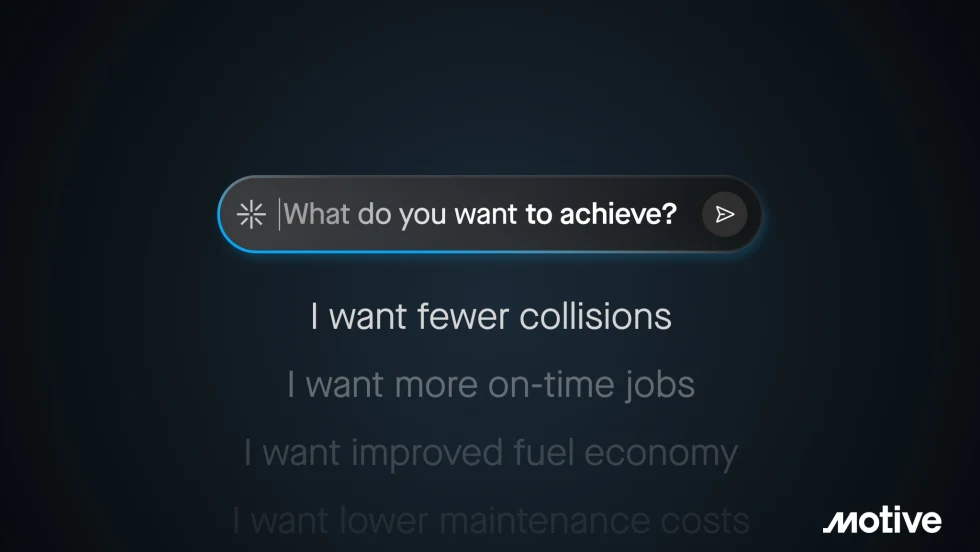
Motive Adds AI Agents for Fleet Operations
New tools automate follow-up on fleet data, from maintenance work orders to driver alerts, with two-way voice conversations planned for later this year.
Read More →
Can You Beat Our Trucking Trivia Challenge?
Test your truck knowledge with 19 trivia questions from Heavy Duty Trucking Exchange. Can you keep up with the fleet pros?
Read More →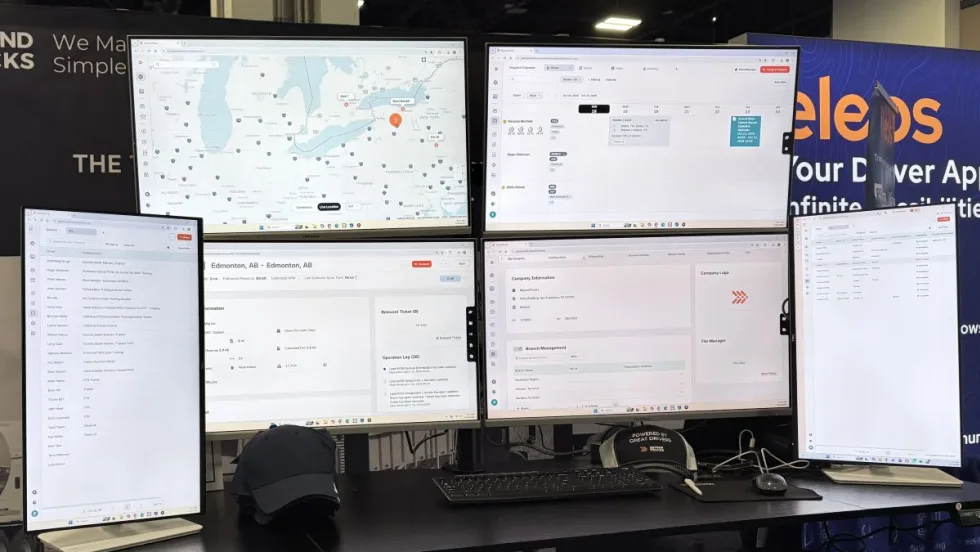
BeyondTrucks Adds Rules Checks to Dispatch
New Compatibility Engine checks driver qualifications, equipment requirements and fleet policies before loads are dispatched.
Read More →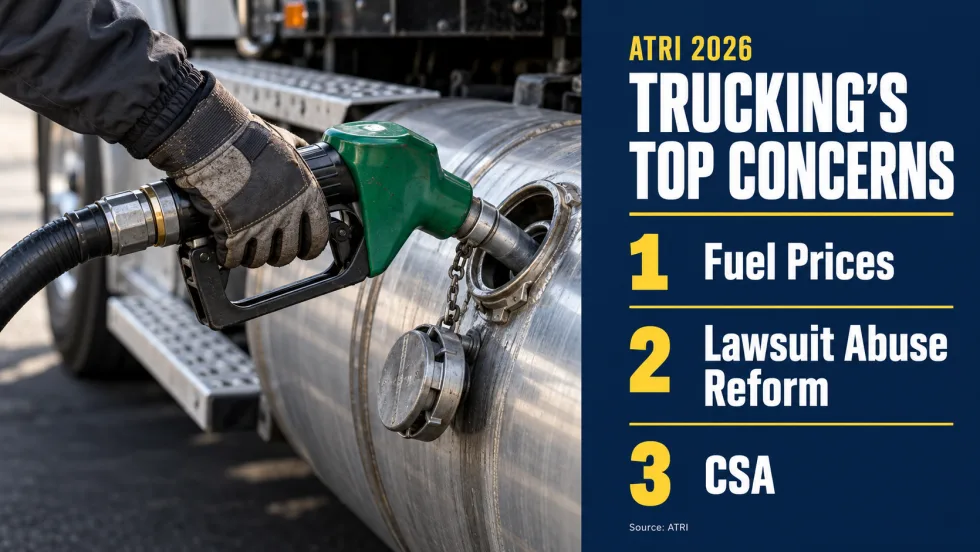
Diesel Prices Hijack Trucking’s Worry List
ATRI’s annual survey finds cautious optimism about freight, but diesel costs, litigation, and insurance continue to squeeze fleets. Drivers have different priorities on several issues.
Read More →
Nomination Deadline Extended for HDT Emerging Leaders
Just a few more days to nominate accomplished trucking fleet professionals under 40 who are making an impact and helping lead the industry forward for the HDT Emerging Leaders award. Deadline extended to October 20!
Read More →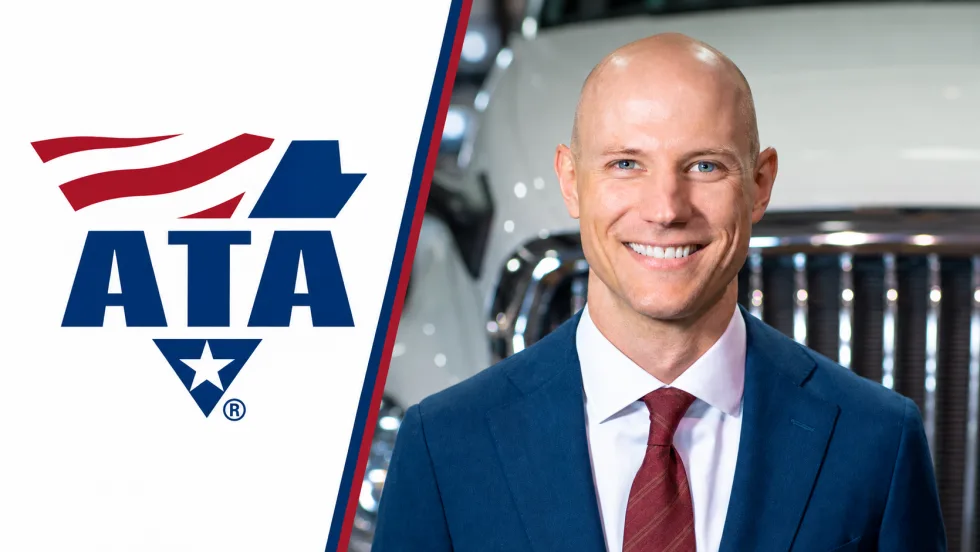
What Will ATA’s New Leader Bring to Trucking's Table?
Incoming President and CEO Mark Colson’s record in Alabama offers clues about his priorities and approach following Chris Spear’s abrupt departure as the head of the American Trucking Associations.
Read More →
Volvo, Waabi Start Commercial Autonomous Operations in Texas
Volvo VNL Autonomous trucks, powered by the Waabi Driver, are hauling freight directly to third-party facilities for a customer in Texas.
Read More →