




Lucent Selects Ryder for Caribbean, Latin America
Ryder System Inc. said Lucent Technologies, which designs and delivers networks for the world's largest communications service providers, has expanded Ryder's North America contrac
Ryder System Inc. said Lucent Technologies, which designs and delivers networks for the world's largest communications service providers, has expanded Ryder's North America contract
to include Lead Logistics Provider (LLP) services for Lucent's operations throughout the Caribbean and Latin America (CALA).
Under the contract, Ryder will manage Lucent's distribution and warehousing operations in the CALA region, to help optimize inventory levels, improve customer delivery execution and make efficiency adjustments in the supply chain, utilizing supply chain visibility data.
Ryder will provide procurement of transportation, routing instructions, compliance management, monthly freight bill audit and payment and measure the service delivery of all providers against Lucent's global service level achievement metrics.
"The Lead Logistics Provider program is a critical component of Lucent's supply chain strategy because we want to better manage all aspects of our logistics operations, including improving the tracking of material from our suppliers all the way through the pipeline to the customer's site," said Jim Johnson, vice president of supply chain networks at Lucent.
For more information about Ryder System Inc., visit www.ryder.com.
More Drivers
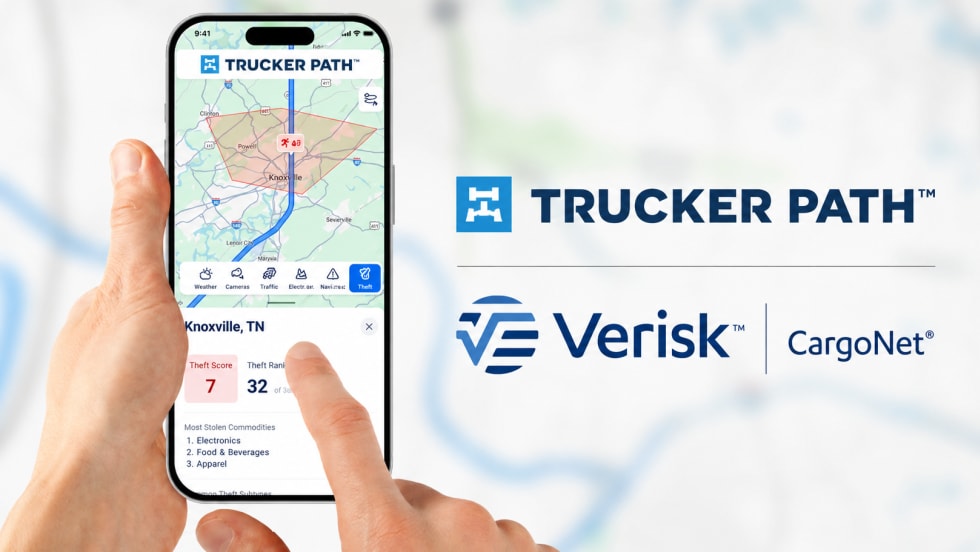
Trucker Path Adds Verisk CargoNet Theft Data to Navigation Platform
Trucker Path’s new cargo theft risk overlays give drivers and fleets visibility into high-risk areas, stolen commodity trends, and theft hotspots.
Read More →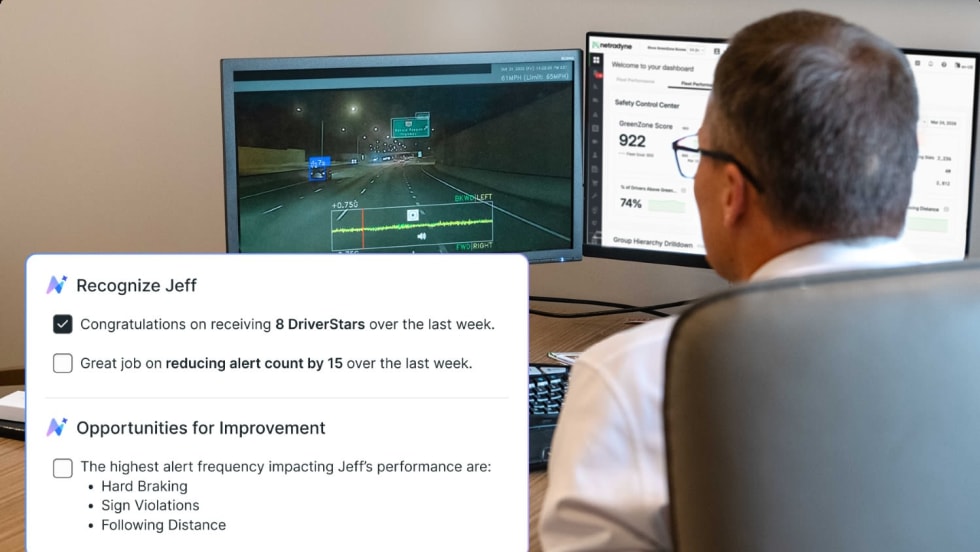
Netradyne Intelligence Uses New AI Agents to Automate Response to In-Cab Camera Data
The company called the next-generation in-cab camera safety platform "a fundamental shift from systems that report on what happened to systems that actively drive what should happen next."
Read More →
Why Truck Detention Keeps Costing Fleets Time and Money
A 2024 ATRI study found detention affects nearly 40% of truckload stops and costs the industry more than $15 billion annually. Despite the toll on drivers, fleets, and supply chains, the problem remains stubbornly persistent.
Read More →
Prime Inc. to Open $7.9M Flagship Used-Truck Dealership
A new driver-focused facility to sell Prime Inc's used trucks and trailers will be the first purpose-built location in the company's history.
Read More →
Short Takes: Inside K&B’s Truck Safety Tech
Listen to learn how K&B Transportation uses cellphone-blocking technology, speed management systems, weather geofencing, bridge avoidance tools, and more to improve driver safety.
Read More →
Nussbaum Expands Driver Compensation with Pay Raises, Profit Sharing
Nussbaum Transportation said its latest compensation package could push first-year driver earnings above $90,000 in key hiring markets.
Read More →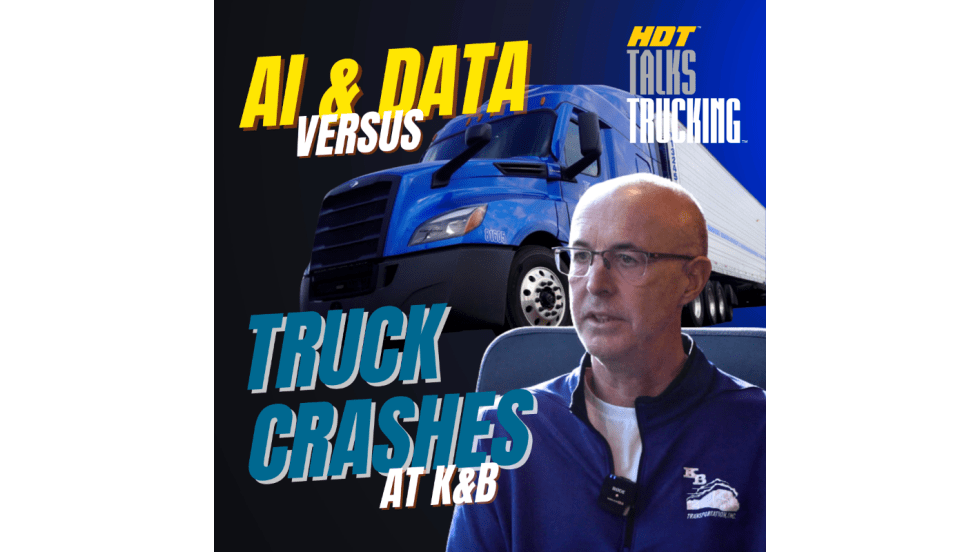
Listen: Inside Modern Fleet Safety: AI, Cameras & Speed Control at K&B Transportation
Fleet safety is evolving fast—and technology is at the center of it. Learn how a former commercial vehicle enforcement officer turned director of safety at K&B Transportation is embracing real-world safety technology.
Read More →
Maverick Announces 2026 Driver Pay Raises
New raises for Maverick Transportation drivers will take effect on May 31, 2026.
Read More →
Illinois Trucker Indicted for Nearly $22,000 in Ohio Turnpike Toll Evasion
Authorities say an Illinois trucker avoided paying tolls for two years, and now faces felony charges, possible prison time, and forfeiture of his Freightliner tractor.
Read More →
New Trojan Driver Cargo Theft Scam Bypasses Carrier Vetting Systems
Cargo theft rings plant operatives as drivers inside legitimate, fully vetted carriers, then execute coordinated thefts that look like a traditional straight theft from the outside.
Read More →