




Logistics Report: Get Used to the ‘New Normal’ of Slow Growth
Considering the implosion that occurred in the wake of the go-go years before 2007, the current condition of slow economic growth has a certain appeal, according to the author of a new State of Logistics Report.


Considering the implosion that occurred in the wake of the go-go years before 2007, the current condition of slow economic growth has a certain appeal.
“Other than the Great Depression, no other financial or economic event has created the level of upheaval and economic restructuring as the Great Recession has between 2007 and 2009,” writes Rosalyn Wilson in her annual State of Logistics Report.
In that period, households lost close to half of their net worth as millions lost jobs as businesses and inventories contracted, she reports in the analysis done for the Council of Supply Chain Management Professionals and Penske.
But while the slow growth that is the hallmark of the post-recovery period may be preferable by comparison, it is not without risks and drawbacks, particularly for transportation.
“The trucking sector has been in a delicate balance for several years now, just on the breach of experiencing capacity problems,” Wilson says.
Utilization rates are at all time highs, load volumes are rising, the driver workforce is aging and trucking is expecting the new hours of service rule that kicks in July 1 to cut into productivity and driver capacity.
The actual impact of the HOS rule will not be known until it is in effect, and it is likely to vary by industry segment, but Wilson cites estimates of productivity loss between 2% and 10%, and driver availability between 2% and 5%.
This development will take place in the context of the increased productivity that is the single biggest accomplishment resulting from the Great Depression.
“Everywhere we have learned to do more with less,” Wilson says.
But the increased productivity has reduced the need to rehire laid-off workers.
“I believe that we are experiencing a new order that is translating into the new way of life for the economy and the logistics and supply chain sectors for the foreseeable future.”
This “new normal” is characterized by slow growth as GDP increases hover between 2.5% and 4%, she says.
Other features include higher unemployment levels, and slower job creation. Higher healthcare costs will encourage businesses to keep their full-time staffs lean and rely on part-timers who don’t get benefits.
Freight service will be less reliable or predictable as volumes rise but capacity does not keep pace, she says.
Compared to the norm before the recession, growth in household net worth and disposable income will be slow, and as a result consumers will be more risk-averse.
“Another example of a changed trend is the phasing out of the traditional peak holiday season,” Wilson says.
Recent peak shipping seasons have either been almost undetectable or so protracted that they have had little impact on capacity and rates.
“We have changed the way we manage and distribute our inventory as online shopping has exploded. Along the way, we learned that real-time transparency in our distribution networks allows us to fulfill orders faster with less inventory.”
Here’s a quick rundown of Wilson’s key findings:
Logistics costs remain steady at 8.5% of GDP.
Per capita personal income rose 2.7% last year but household wealth is 6.7% below its peak. The income gain is tied to the performance of the stock market, which mostly benefits the well-to-do, while middle class wealth still resides in real estate – and housing values are 26% below their peak.
“Intermodal will continue to grow and is becoming the most efficient way to move goods in the “new normal.”
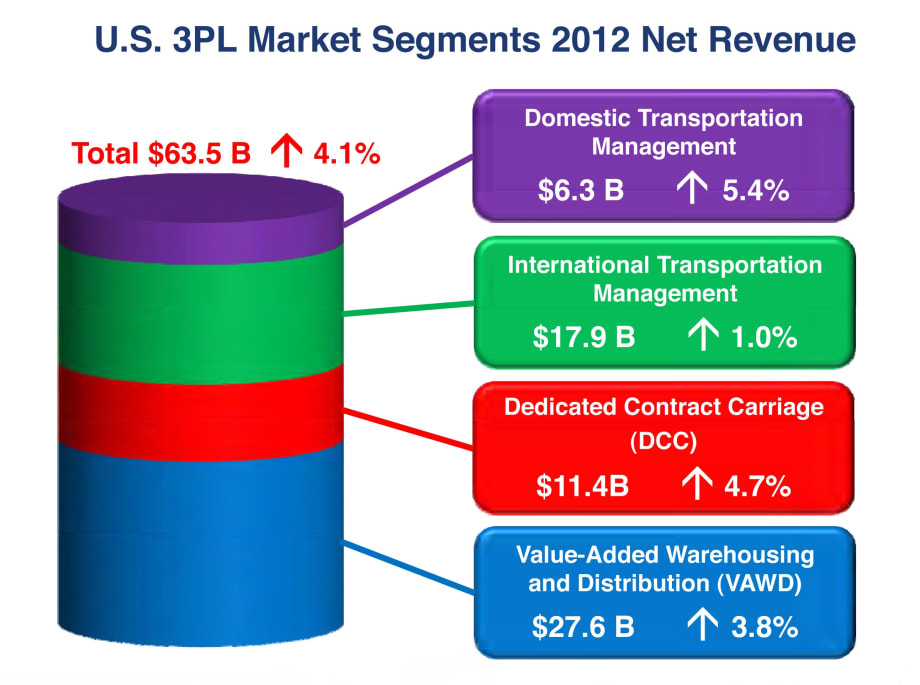
Revenues in the third-party logistics sector rose 5.9% in 2012, and companies are looking to outsource their logistics. “The domestic transportation management industry was the fastest growing economic sector, with gross revenues up 9.2%.”
Truck transportation costs rose just 2.9% in 2012. “With utilization rates at 95% to 97%, expected capacity pressures will push rates up quickly.”
Truck sales have gained but have not reached replacement levels. Used truck prices have soared and the supply has fallen.
You can download this report from our whitepapers section.

More Fleet Management

For Nicky Cupp, Fleet Innovation Starts With Frustration
HDT Truck Fleet Innovator Nicky Cupp turns everyday pain points at Fraley & Schilling into opportunities for better technology and smarter processes.
Read More →
Adam Buttgenbach’s Approach to Electric Trucks: Start With Where They Fit
HDT Truck Fleet Innovator Adam Buttgenbach helped PepsiCo build one of North America’s largest EV fleets by focusing on where electric trucks make operational sense.
Read More →
Deen Albert: Let Automation Do the Math, People Make the Decisions
HDT Truck Fleet Innovator Deen Albert makes sure people are still at the heart of operations at Grand Island Express, even while adopting artificial intelligence tools. AI-assisted dispatch helped boost revenue 25% with the same number of trucks.
Read More →
Trimble’s New AI Agent Takes Aim at Fleet Back-Office Busywork
Arc Agent works across Trimble TMS products to automate repetitive tasks such as freight orders, maintenance, invoices, fuel costs and more.
Read More →
How HDT’s 2026 Truck Fleet Innovators Are Rethinking Fleet Operations
Meet five trucking leaders who are challenging assumptions, solving operational problems, and putting innovative ideas to work.
Read More →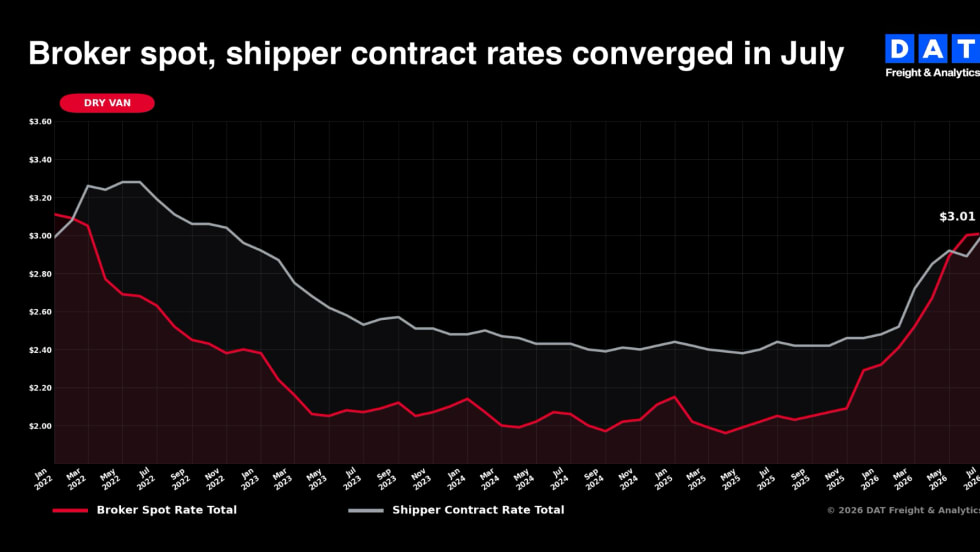
Tight Trucking Capacity Pushes Rates Higher Even as Freight Volumes Fall
“Spot rates moving ahead of contract rates have historically signaled a tightening market, but we haven’t seen a capacity-driven market quite like this one,” said DAT's Dean Croke.
Read More →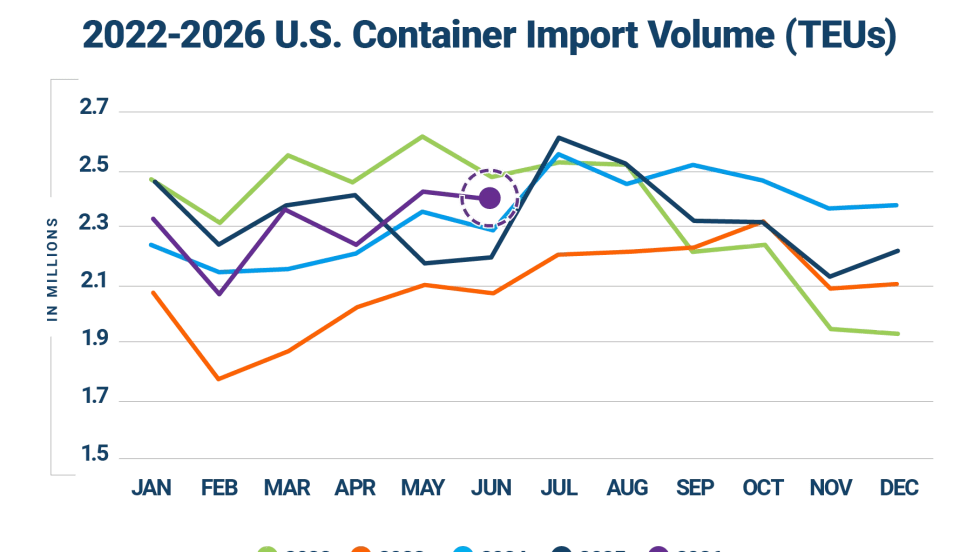
Import Cargo’s Early Peak Season is Winding Down
There was an early start to peak season this year at the nation's gateway ports, as retailers brought in merchandise ahead of tariff changes in late July and responded to other supply chain uncertainties,
Read More →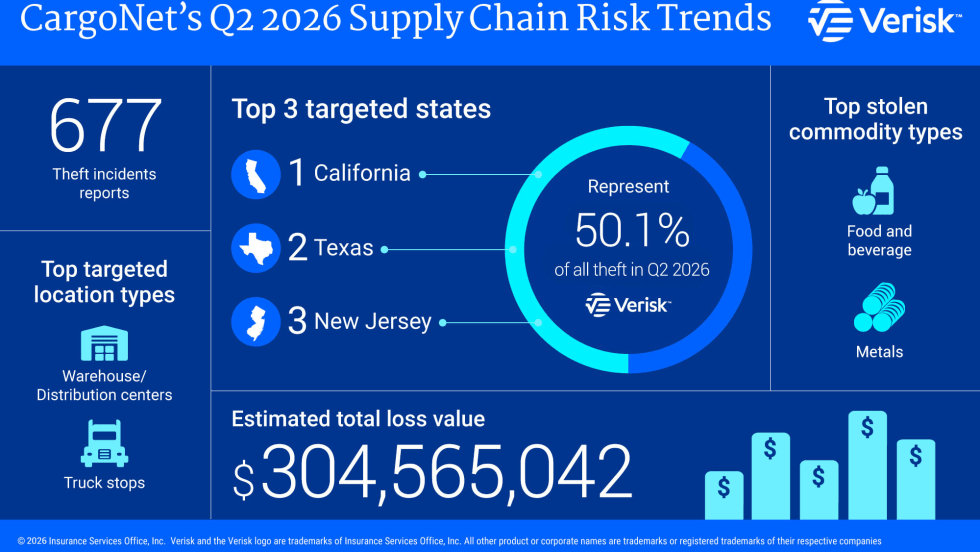
Fewer Cargo Thefts, Bigger Losses: Criminals Target Higher-Value Loads
CargoNet says organized theft rings are stealing fewer shipments but choosing more valuable freight, including metals and technology, resulting in record losses.
Read More →
How Innovative Trucking Leaders Turn Change Into an Advantage
As the pace of change accelerates in trucking, the fleets that adapt best have more than the latest technology. They have cultures that embrace improvement.
Read More →
Freight Broker Bonds Just Got Harder to Get. Here's What That Means for Your Fleet.
When it gets harder for a freight broker to prove they are financially sound, the ones who cannot clear that bar get pushed out of the market. And those are exactly the brokers who used to leave motor carriers holding the bag.
Read More →