




Legislation Encourages Halt to Engine Idling
Congresswoman Kay Granger (R-Texas) has introduced legislation offering financial incentives to encourage the trucking industry to aid in the nation’s drive for cleaner air by reducing engine idling
Congresswoman Kay Granger (R-Texas) has introduced legislation offering financial incentives to encourage the trucking industry to aid in the nation’s drive for cleaner air by reducing engine idling.
Granger’s bill would provide the nation’s truckers federal income tax credits to purchase alternative power source devices and switch over to the device for power when a truck is stopped rather than running a truck’s main engine.
The "Idling Reduction Tax Credit Act of 2004" would allow a tax credit of up to $3,500 for each truck outfitted with equipment described as "idling reduction devices." The such units power essential truck functions such as cabin heating or cooling systems and trailer refrigeration units that are normally powered by the truck’s main diesel engine. The tax credit would pay for about half of the device’s full cost.
"The Environmental Protection Agency (EPA) has put scores of urban areas, including my district in the Fort Worth area, 'on notice' that the air has to be cleaned and soon. We must act immediately, and this legislation is a sensible step to meet this goal," Granger said.
"We have to attack the problem one source at a time. The trucking industry has been looking seriously at alternatives, and it makes good sense to encourage the use of affordable and proven technology to reduce pollutions generated by trucks.
"A federal tax credit that allows truck owners up to 50% of the cost of the alternative idling power source will have an immediate impact on our clean air goals," Granger said.
The American Trucking Assns. (ATA), the nation’s largest trucking industry trade group, supports the goal of Congresswoman Granger’s legislation. Bill Graves, ATA President and CEO, said "Given the constant financial pressures on trucking companies to comply with costly federal equipment mandates, a tax credit for new stationary power sources makes a lot of sense and should help encourage their use."
Under Granger’s legislation, the EPA and the Secretary of Energy would certify which of the alternative idle power devices meet appropriate standards to qualify for the tax credit.
Industry experts estimated that 15.5 million trucks operate in the U.S., with 1.9 million classified as tractor-trailer trucks that will benefit the most from tax credits proposed by Granger. Experts estimate that the trucking industry accounts for 12.8% of the motor fuel sold in the U.S. compared to automobiles and light vehicles that account for 63% of fuel consumption.
More Drivers

Platform Science Adds Dispatch and Safety Tools
Four additions to PS Fleet help fleets monitor loads, manage driver coaching, share truck locations and adjust video system settings.
Read More →
When Language Stops the Truck: The Return of ELP Out-of-Service Orders
English language proficiency rules for commercial drivers aren’t new, but renewed out-of-service enforcement has raised the stakes. Here’s what carriers need to know before a driver reaches a roadside inspection.
Read More →
Samsara Launches Custom AI Agent Builder
Agent Studio lets fleets create AI tools for hours-of-service monitoring, reporting and driver support, including agents that communicate by phone.
Read More →
Trucker Path Expands Reserved Parking Network
Trucker Path has added close to 6,000 more truck parking spaces to its Trucker Path Reserved Parking Network with the addition of Safe Truck Parking.
Read More →
EEOC Sues Texas Trucking Company Over Driver Age Limits
The agency says Trancasa USA rejected applicants over 65 and applied tougher driving-record standards to those over 60.
Read More →
Nussbaum, Roehl Announce Second Driver Pay Increase This Year
This year has seen a swath of major truck driver pay increases as freight capacity has tightened.
Read More →
From One Generation to the Next: How Mentorship Builds Safer Truck Drivers
After three decades in trucking, Harold Perry shares what he's learned about driver safety, mentorship, and helping the next generation build confidence behind the wheel.
Read More →
Truck Drivers Need More Than Another Alert
Fleets have more visibility into truck health, safety events, and driver activity than ever. The next challenge is turning all that information into useful guidance for the person who has to decide what to do next.
Read More →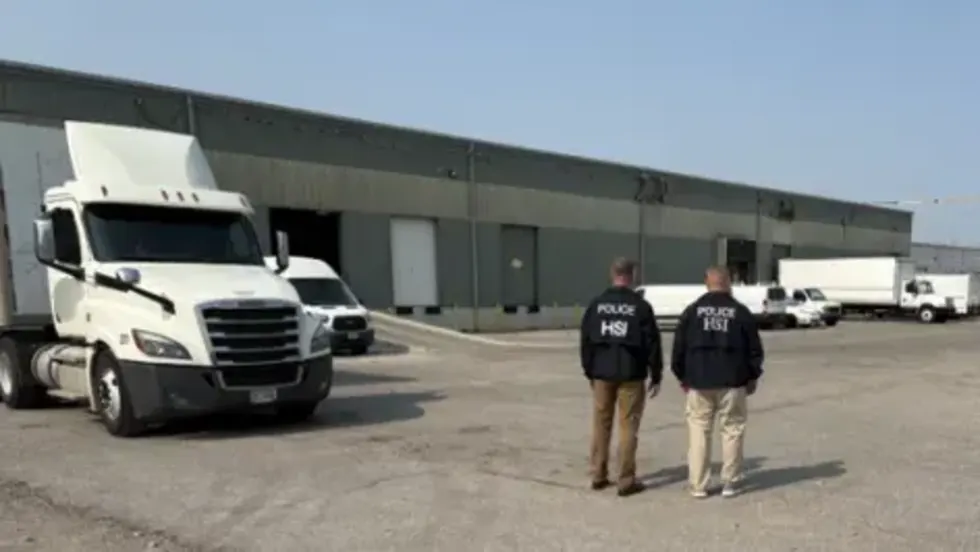
FMCSA Removes 110 Truck Driver Training Schools from Certified ELDT List
Federal regulators also are targeting more than 160 additional training providers and launching a nationwide audit of third-party CDL skills testers as part of a broader crackdown on trucking fraud.
Read More →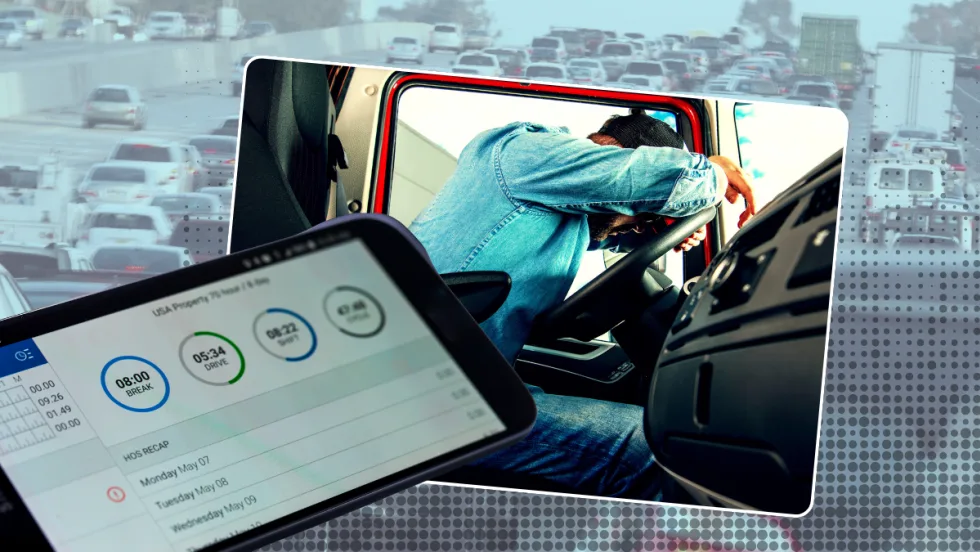
Hours of Service Pilot Programs: FMCSA Readies for 2027 Rollout
Two pilot programs could eventually reshape hours-of-service rules, giving truck drivers options to pause their 14-hour clock or use longer split sleeper rest periods.
Read More →