




Kalmar Plans to Offer Fully Electric Lineup by 2021
Kalmar, on the heels of a recent release of its electric T2 terminal tractor, has announced plans to offer electric versions of its lineup of vehicles by 2021.

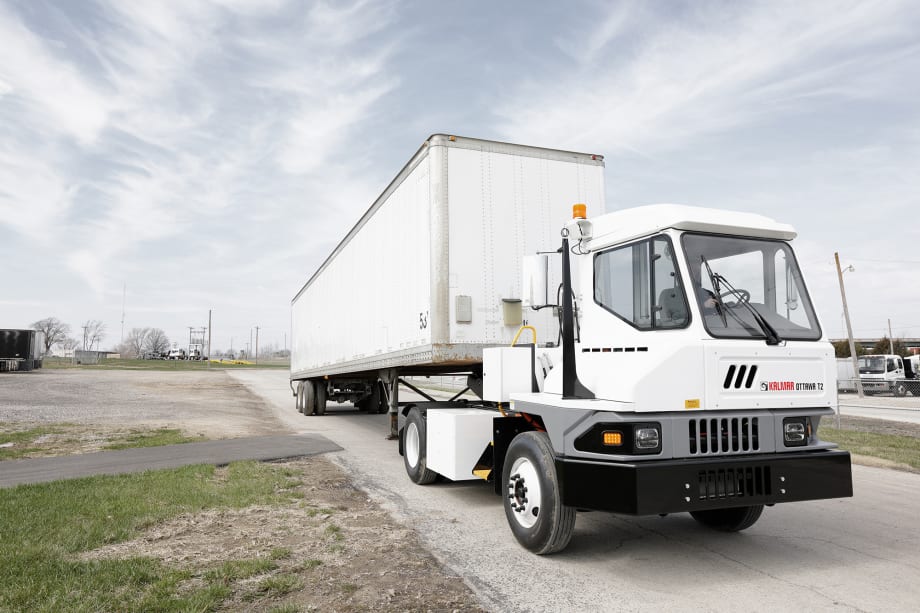
Kalmar recently released an electric version of its T2 terminal tractor and plans to have a fully electric equipment offering by 2021. Photo: Kalmar
Kalmar, on the heels of the recent release of its electric T2 terminal tractor, has announced plans to offer electric versions of its lineup of vehicles by 2021.
The very first electrically powered machine developed by Kalmar, an electric forklift truck for smaller capacity ranges, was introduced to the market in 2008. Since then, Kalmar has extended its offering with diesel-electric, hybrid, and electrically powered machines to help customers reduce the environmental impact of their operations.
Today, over 50% of Kalmar cargo handling equipment is already available with electric power sources.
"Our industry is evolving at a remarkable pace. Governments, local and regional authorities around the globe are rapidly deploying regulations and initiatives to support the adoption of eco-efficient technologies," said Antti Kaunonen, president of Kalmar. "At the same time, our customers are asking for electrically powered equipment and solutions that cut emissions.
“Now we are taking yet another step in our commitment to improve customer operations with our plan to provide our full offering as electrically powered by 2021.”
Kalmar also introduced its future vision for mobile equipment, called The Kalmar Future Generation. The company envisions what it believes cargo and material handling solutions will look like in the future.
"The vision for Kalmar Future Generation is a result of significant investments in research and development in order to envisage how the future of material handling solutions will look like," said Dan Pettersson, senior vice president of mobile equipment at Kalmar. “We believe electricity is the power source of the future and that purpose-built design and integrated serviceability will enable maximum availability and performance for the material handling fleets.”
Related: Getting Guidance on Electric Trucks
More Fuel Smarts
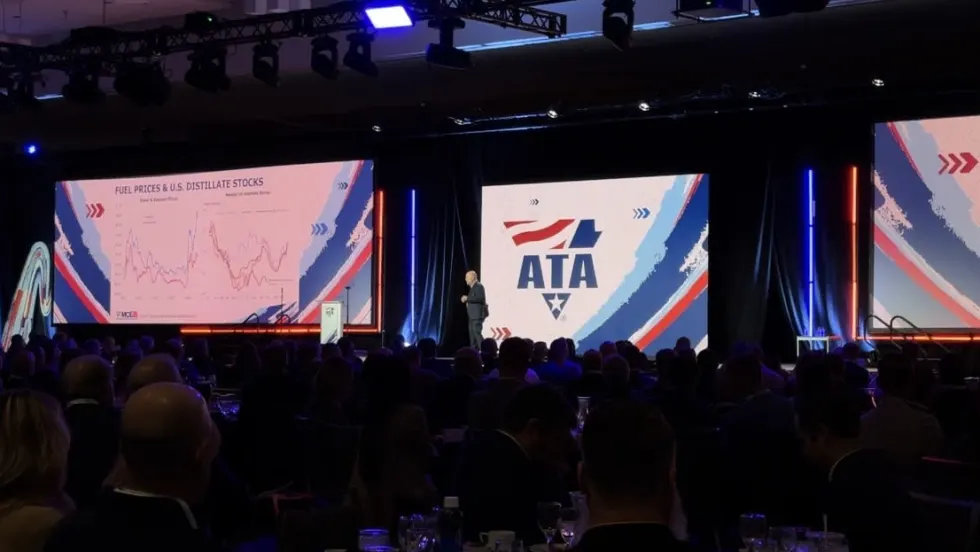
Trucking’s Diesel Squeeze Isn’t Letting Up
With diesel topping $6 a gallon nationally, ATA's Bob Costello explains why fleets should prepare for continued pressure at the pump.
Read More →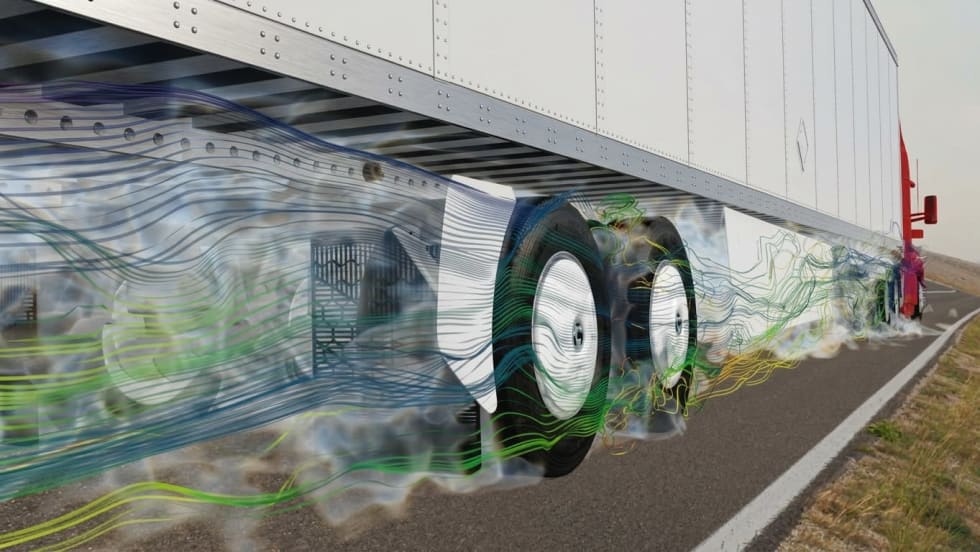
FlowBelow Redesigns Trailer AeroSlider to Cut Fuel Use
The lighter trailer aerodynamic system installs in less than 45 minutes, according to the company, with potential payback in under a year depending on fuel prices and trailer mileage.
Read More →
Why Diesel Price Relief Efforts May Fall Short
Diesel prices have eased from September’s record high, but doubts about additional Russian supply and limits on dyed-diesel tax relief mean trucking fleets still face expensive fuel. And prices could go higher.
Read More →
Why Small Fuel Savings Matter in Trucking
Can better fuel economy help pay for driver raises? In this podcast, GP Transco explains how small efficiency gains create room to reinvest in its people.
Read More →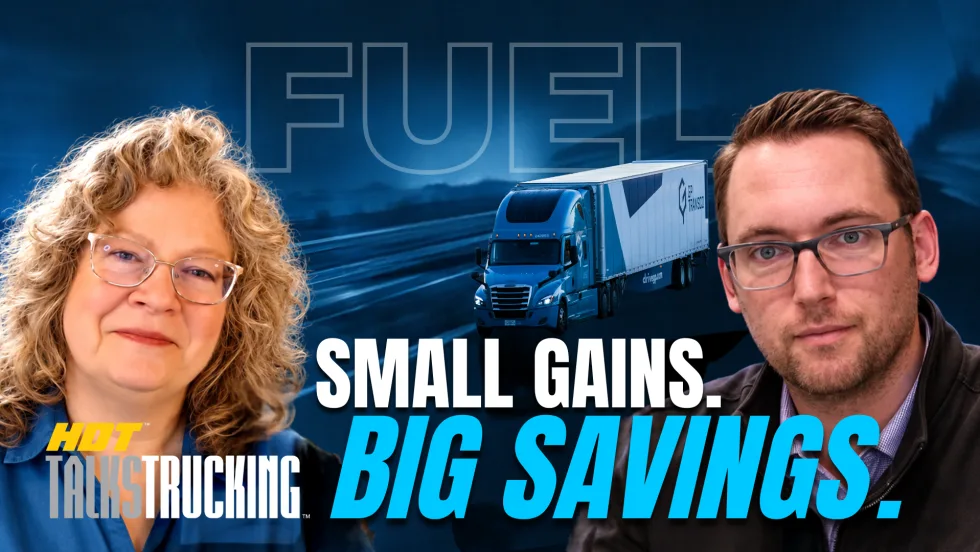
How GP Transco Cuts Trucking Fuel Costs, a Tenth of a Gallon at a Time
What’s another tenth of a mile per gallon worth? GP Transco shares how equipment upgrades and driver coaching turn small gains into meaningful fuel savings.
Read More →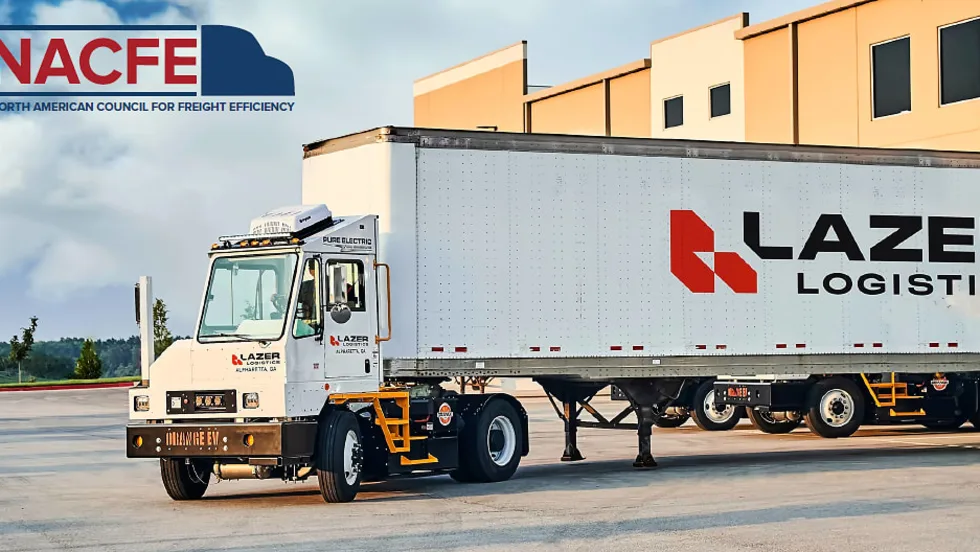
Electric Yard Tractors Move Beyond Pilots
Operating-cost savings have overtaken sustainability goals as the leading reason surveyed fleets are adopting battery-electric terminal tractors, according to new NACFE research.
Read More →
Geotab Links Fleet Card to Vehicle Data
The new card combines fuel discounts with telematics-based purchase controls. Geotab’s analysis also points to potential savings from choosing lower-priced fuel stops.
Read More →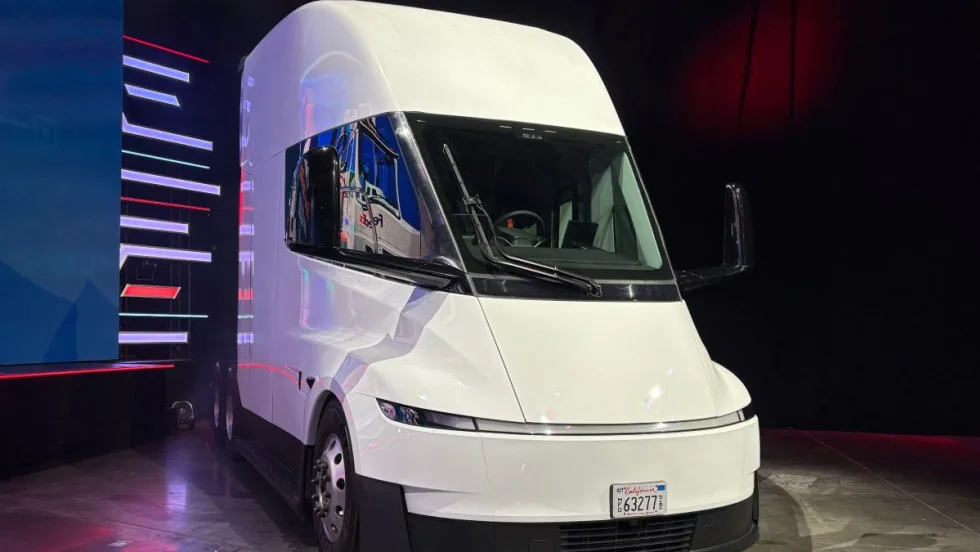
Fleet Economics Shape Electric Truck Outlook
ACT Research expects costs, charging infrastructure, and technology improvements to drive zero-emission commercial vehicle adoption as federal regulations and incentives retreat.
Read More →
Wex Adds Cardless Fuel Payments for Over-the-Road Customers
A new fuel card feature for Wex customers offers convenience and security.
Read More →
New California Law Could Shed Light on Electric Truck Prices
Why do battery-electric Class 8 trucks remain so expensive? A California bill signed by Gov. Gavin Newsom would give fleets and state agencies more visibility into what manufacturers charge.
Read More →