




John Hill Talks About Life at the FMCSA
When John Hill went to Washington to serve on the still-relatively-new Federal Motor Carrier Safety Administration in 2006, he says, "I thought I would have a lot of say in truck safety in this country." But, he now says, he discovered that decisions in Washington are politically driven in most cases
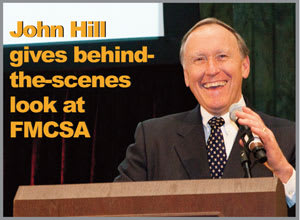
When John Hill went to Washington to serve on the still-relatively-new Federal Motor Carrier Safety Administration in 2006, he says, "I thought I would have a lot of say in truck safety in this country." But, he now says, he discovered that decisions in Washington are politically driven in most cases.
"The political people tell the appointed people what they're going to do," he told the National Private Truck Council members during the final keynote address of NPTC's annual convention in Cincinnati last week.
Hill, who was the FMCSA's third administrator since the creation of the agency by Congress in 2000, said he learned in Washington that we have too many regulations in this country. He quoted an unnamed economist that "The federal government certainly does put 'fun' in the word 'dysfunctional.'" This despite the fact that Hill came from a commercial vehicle enforcement background.
He made these remarks as he talked about the extensive number of regulations currently in the works at the agency, and explained that there is a great amount of pressure on the agency to get regulations published - pressure that dates back to the formation of the agency back in 1999.
Granted, he said, safety regulation of the trucking industry has helped contribute to great strides in safety. Prior to 1986, he said, in his home state of Indiana, there was not a single police employee who was trained to do safety inspections of commercial vehicles. Checks of trucks were basically to look for overweight vehicles and check paperwork. There was no commercial driver's license; when asked for their license, drivers would openly pull out a dozen and ask which one the cop wanted to see.
At the time of deregulation, he said, there were over six deaths per 100 million miles of commercial vehicle travel in this country. It was about 1.3 last year. And the number of regulated motor carriers has exploded since deregulation, from 16,000 pre-deregulation to about 500,000 today.
Laundry list
When the government decided to create a new agency to deal with all these carriers, Hill explained, the Motor Carrier Safety Improvement Act of 1999 not only created the FMCSA, it also included a "laundry list" of regulations Congress expected the agency to write.
That was easier said than done, Hill recalled. "I remember clearly, Congressman Oberstar, who was chairman of the House Transportation and Infrastructure Committee, told me the FMCSA should be a model agency for safety, just as the FAA was for airplanes. He would regularly make that comparison."
Just a few problems with that expectation, Hill said. Capitol staffers, he said, "would talk to me as if we were an agency capable of regulating 500,000 carriers just as the FAA regulated their 10 to 20 common carriers." There was laughter in the audience at this point.
"You laugh at that, but it's true," Hill continued. "They expected me to have a medical program that mirrored the medial program for pilots the FAA does." Hill, a pilot himself, noted that it's an extensive process. "When I told them how much money it would take just to complete the IT system to track the drivers in the program, they couldn't believe it."
Hours of service
At the top of the laundry list the new agency was expected to tackle was new hours of service regulations, which were essentially the same as they were in the 1930s.
The first administrator for the new agency wasn't appointed until October 2001, Joseph Clapp. Then-Transportation secretary Norm Mineta later told Hill that Clapp was brought in largely to get the hours of service rulemaking done; then another administrator would be brought in to handle the ongoing work of the agency.
The hours of service rulemaking did get done, but it turned out it was only the beginning of a cycle of lawsuits and rewrites that is still ongoing.
"All that work that was being done for hours of service really did bog the agency down," Hill said, "and it did not get a lot of other regulations done, so they just kept getting stacked up in the back room, with all the expectations of congress. There were even court rulings that were done back in 2003 to get the regulations published. So there's been all this pressure on the agency to get these regulations out."
Enter CSA
This pressure on the agency is not only a big reason for the large number of rulemakings, but also is the driving force behind the new CSA enforcement regime, Hill said.
"I believe CSA will be here for a long time, because it allows the agency to regulate more motor carriers for a reduced amount of money," he explained. An evaluation of the CSA pilot program, done by the University of Michigan Transportation Research Institute, found that the cost of doing compliance interventions under CSA was about half the cost to do a full compliance review of a trucking company as it is currently done.
"Currently, when FMCSA does a compliance review, it takes anywhere from three to four days up to two weeks," Hill said. "For very large carriers it can be months. Only after that is done will the carrier receive a safety rating."
Right now, he said, the agency is conducting 18,000 to 20,000 compliance reviews a year. Divide that into 500,000 active motor carriers, and it would take 25 years to do them all, Hill said.
"When I was there, we wanted to use data to rate motor carriers and allow for that number to be increased to 50,000 to 60,000 per year. Over a 10-year period you could conceivably rate every motor carrier in this country."
More Drivers
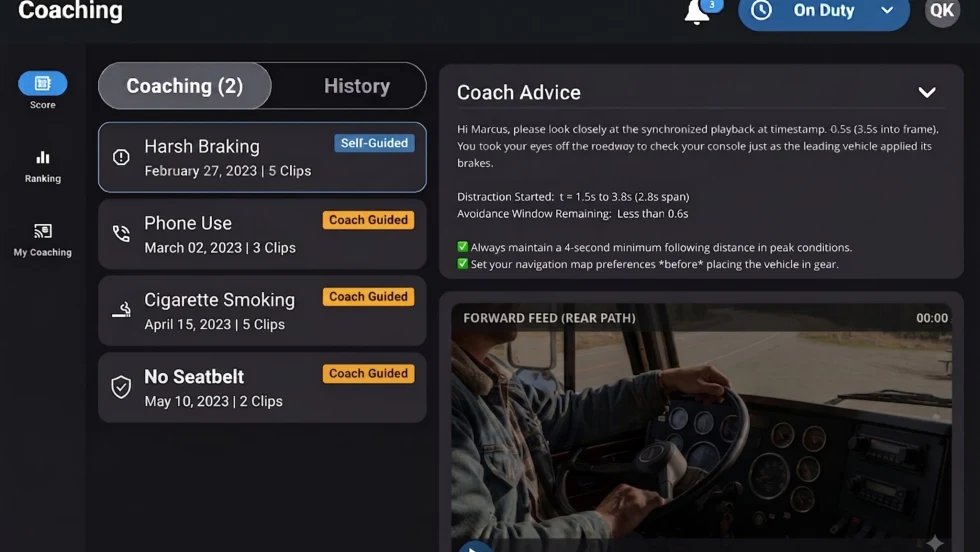
Platform Science Adds Dispatch and Safety Tools
Four additions to PS Fleet help fleets monitor loads, manage driver coaching, share truck locations and adjust video system settings.
Read More →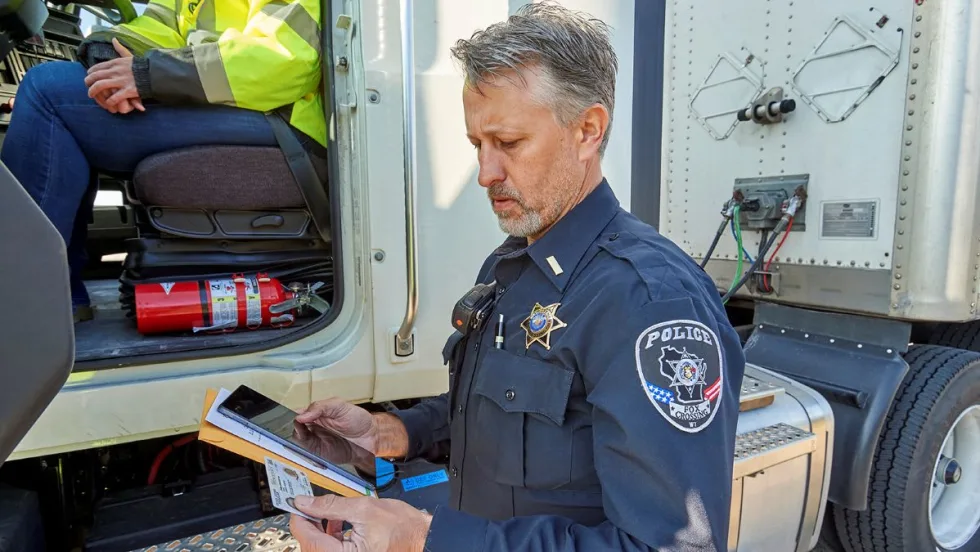
When Language Stops the Truck: The Return of ELP Out-of-Service Orders
English language proficiency rules for commercial drivers aren’t new, but renewed out-of-service enforcement has raised the stakes. Here’s what carriers need to know before a driver reaches a roadside inspection.
Read More →
Samsara Launches Custom AI Agent Builder
Agent Studio lets fleets create AI tools for hours-of-service monitoring, reporting and driver support, including agents that communicate by phone.
Read More →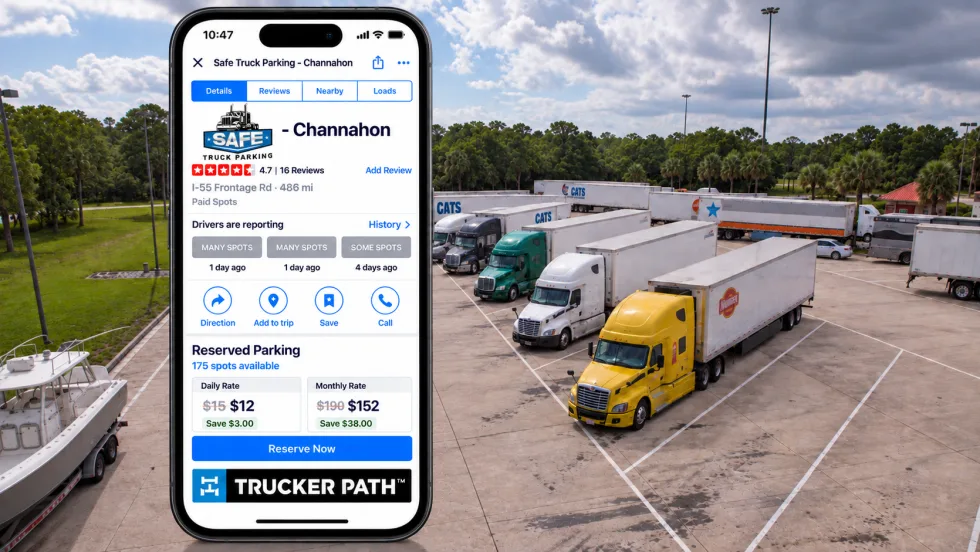
Trucker Path Expands Reserved Parking Network
Trucker Path has added close to 6,000 more truck parking spaces to its Trucker Path Reserved Parking Network with the addition of Safe Truck Parking.
Read More →
EEOC Sues Texas Trucking Company Over Driver Age Limits
The agency says Trancasa USA rejected applicants over 65 and applied tougher driving-record standards to those over 60.
Read More →
Nussbaum, Roehl Announce Second Driver Pay Increase This Year
This year has seen a swath of major truck driver pay increases as freight capacity has tightened.
Read More →
From One Generation to the Next: How Mentorship Builds Safer Truck Drivers
After three decades in trucking, Harold Perry shares what he's learned about driver safety, mentorship, and helping the next generation build confidence behind the wheel.
Read More →
Truck Drivers Need More Than Another Alert
Fleets have more visibility into truck health, safety events, and driver activity than ever. The next challenge is turning all that information into useful guidance for the person who has to decide what to do next.
Read More →
FMCSA Removes 110 Truck Driver Training Schools from Certified ELDT List
Federal regulators also are targeting more than 160 additional training providers and launching a nationwide audit of third-party CDL skills testers as part of a broader crackdown on trucking fraud.
Read More →
Hours of Service Pilot Programs: FMCSA Readies for 2027 Rollout
Two pilot programs could eventually reshape hours-of-service rules, giving truck drivers options to pause their 14-hour clock or use longer split sleeper rest periods.
Read More →