




J.B. Hunt Reports Higher Earnings
J.B. Hunt Transport Services, Lowell, Ark., Monday announced first quarter 2002 net earnings of $4.9 million compared with 2001 first quarter earnings of $1.6 million
J.B. Hunt Transport Services, Lowell, Ark., Monday announced first quarter 2002 net earnings of $4.9 million compared with 2001 first quarter earnings of $1.6 million.
Total operating revenue for the current quarter was $510 million, compared with $495 million during the first quarter of 2001. Revenue was affected by a reduction in fuel surcharge revenue of $18.4 million due to lower fuel prices in the first quarter of 2002. Excluding this reduction in fuel surcharge revenue, total revenue increased 7%. During the first quarter of 2002, revenues of the company's truck segment declined 8%, while the intermodal segment revenue rose 10% over the comparable period of 2001. Dedicated segment (DCS) revenue increased 12% during the current quarter.
The company sold a group of older trailers and realized a gain of approximately $5.5 million during the first quarter of 2001.
While the truck operating ratio exceeded 100% for the quarter at 101.2%, improvement vs. the comparable period last year continued for the fourth quarter in a row. Excluding the large gain on the sale of certain assets in the first quarter of 2001, the improvement in the operating ratio was 240 basis points. The operating ratio for the Truck segment exceeded 100% in January and February, but turned profitable in March.
While fuel prices declined in the quarter, the company notes that its fuel surcharge revenue declined at a faster rate, resulting in lower segment profits. Rate yields continued to improve as the loaded rate per mile (excluding fuel surcharges) increased 3.3% relative to a year ago. In spite of the lower freight levels, empty miles declined significantly to 10.3% vs. 12.6% for the first quarter a year ago.
The higher rates and lower empty miles are a result of the company's yield management initiatives launched in the last year. The average number of trucks was 5,880 for the first quarter 2002 and 6,089 for the first quarter 2001. The company says no additions in capacity are planned for the Truck segment until satisfactory margins are achieved.
In the intermodal segment, the operating ratio was 94.3% for the first quarter of 2002. Intermodal revenue per loaded mile (excluding fuel surcharge) was up 1.4% when compared with the same period in 2001. Dray costs per load, the pick-up and delivery portion of the intermodal move, were down 11% in the first quarter of 2002 vs. a year ago. Use of company containers as measured in turns per month also improved vs. a year ago.
The operating ratio for the DCS segment was 96.3% for the current quarter. The increase in DCS revenue was driven by growth in the fleet of 345 tractors, new contractual arrangements and growth with existing customers. Demand in the DCS segment was negatively impacted by the ongoing U.S. economic recession as 200 trucks that had been planned for growth in 2001 remained sidelined. The company is encouraged by recent sales and anticipates those trucks will be activated throughout 2002.
More Drivers
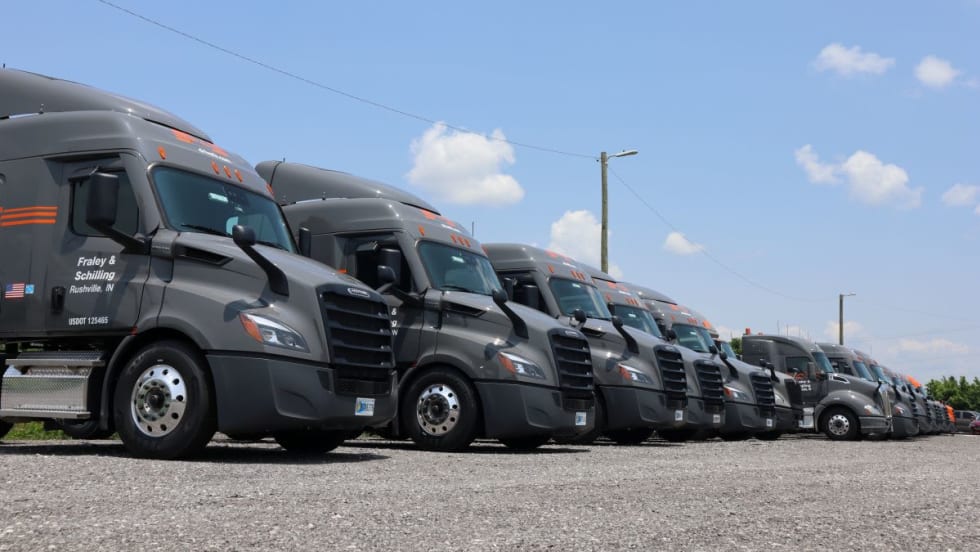
How Fraley & Schilling Improved Logbook Compliance by Over 50%
Fraley & Schilling needed a way to close a compliance workflow gap in its ELD system without adding more work from driver training, reminders, and back-office follow-ups. It found the answer in a custom driver app.
Read More →
Volvo Goes Gaming
Volvo has roared into American Truck Simulator with two new flagship trucks.
Read More →
What the Best Fleets to Drive For Teach About Driver Retention
Survey fatigue, AI-powered routing, owner-operator expectations, and the decline of social media all emerged as themes from this year's Best Fleets to Drive For program.
Read More →
Driver Retention Lessons From the Best Fleets to Drive For
What separates trucking's best workplaces from the rest? Jane Jazrawy shares the biggest lessons from this year's Best Fleets to Drive For program on driver retention, communication, AI, and workforce trends on the HDT Talks Trucking podcast.
Read More →
Farewell, CDL: Why I'm Giving Up My Commercial Driver's License
After more than 20 years as a CDL holder, HDT Executive Editor Jack Roberts is letting his commercial license expire. Not because he wants to — but because trucking's nuclear verdict crisis has made the risks of public-road test drives too great for editors, manufacturers, and everyone involved.
Read More →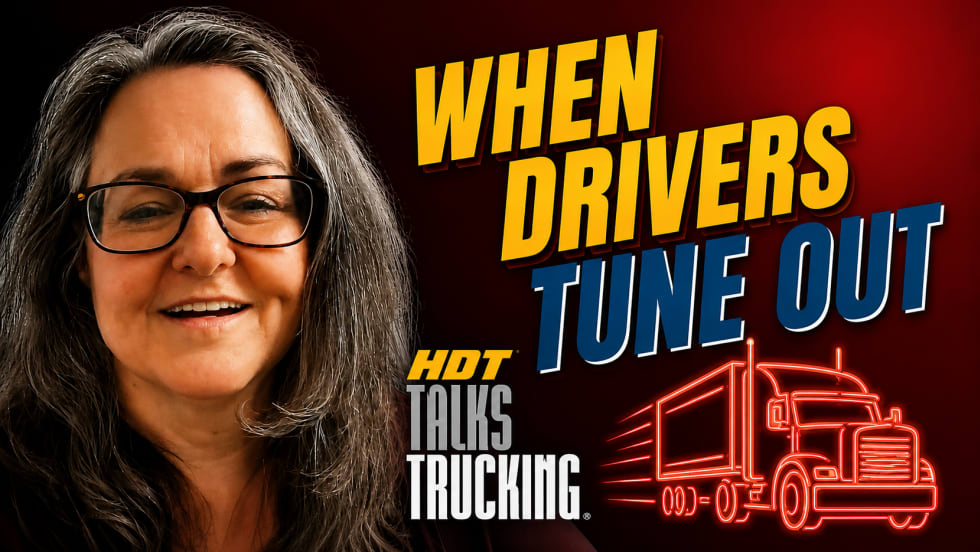
How Top Trucking Fleets Improve Driver Retention [Video]
What do healthy snacks, optimized routing, and just picking up the phone have in common? They're all strategies the Best Fleets to Drive For are using to retain truck drivers.
Read More →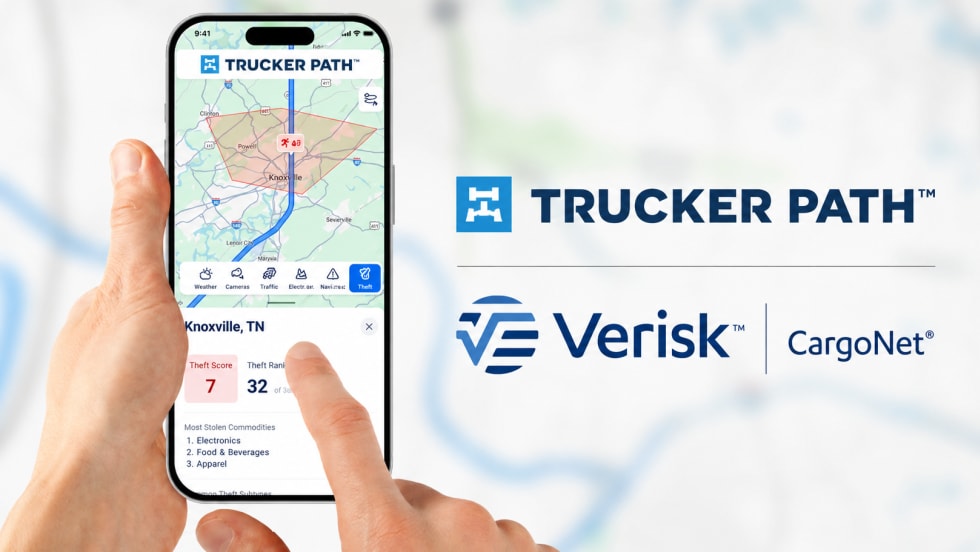
Trucker Path Adds Verisk CargoNet Theft Data to Navigation Platform
Trucker Path’s new cargo theft risk overlays give drivers and fleets visibility into high-risk areas, stolen commodity trends, and theft hotspots.
Read More →
Netradyne Intelligence Uses New AI Agents to Automate Response to In-Cab Camera Data
The company called the next-generation in-cab camera safety platform "a fundamental shift from systems that report on what happened to systems that actively drive what should happen next."
Read More →
Why Truck Detention Keeps Costing Fleets Time and Money
A 2024 ATRI study found detention affects nearly 40% of truckload stops and costs the industry more than $15 billion annually. Despite the toll on drivers, fleets, and supply chains, the problem remains stubbornly persistent.
Read More →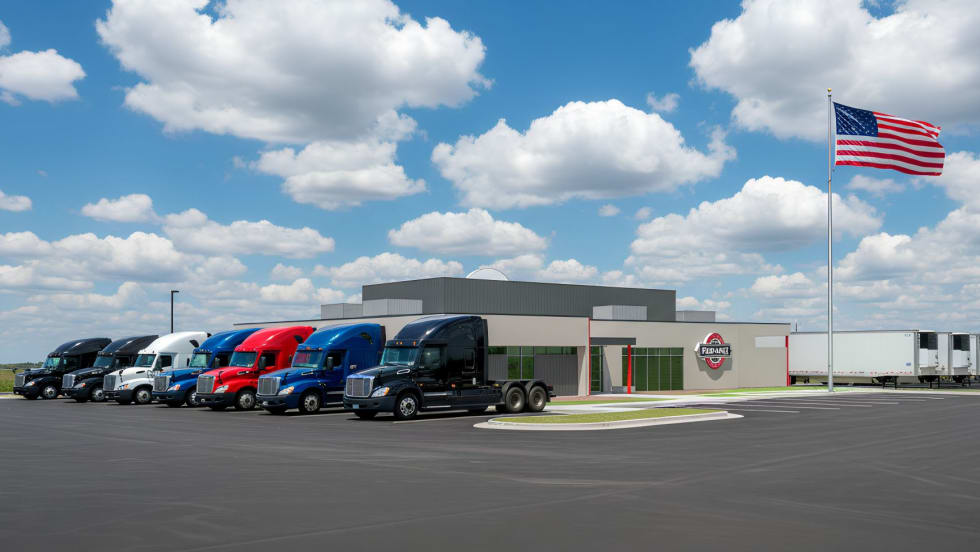
Prime Inc. to Open $7.9M Flagship Used-Truck Dealership
A new driver-focused facility to sell Prime Inc's used trucks and trailers will be the first purpose-built location in the company's history.
Read More →