




January Cass Freight Index up 27% Year Over Year
According to the Cass Freight Index, freight shipments declined in January for the second consecutive month, but were higher than levels for the same period in 2010.
According to the Cass Freight Index, freight shipments declined in January for the second consecutive month, but were higher than levels for the same period in 2010.
The Cass Freight Index represents monthly levels of shipment activity, in terms of volume of shipments and expenditures for freight shipments. Cass Information Systems processes more than $14 billion in annual freight payables on behalf of its clients. The Cass Freight Index is based upon the shipments of hundreds of Cass clients representing a broad spectrum of industries.
The index uses January 1990 as its base month. The expenditures index for January 2011 was 1.859, compared to 1.462 for January 2010, a 27 percent increase. For shipments, the 2011 January ndex was 1.010, compared to 0.899 for a year ago, a 12 percent increase.
Shipment volume got off to a slow start in the first half of the month, but increased substantially as January progressed. Lingering retail inventories ‐ combined with a very cautious approach to product replenishment ‐ resulted in moderate shipments of consumer goods. This does not
signal another long‐term downward trend for freight, but is rather one of the bumps expected during the recovery.
Consumers are not leading the recovery as they have after previous recessions, which means this is new ground for charting the future, note the index's authors. The trend will be for much leaner inventories and immediate response to inventory stockpiling. Industrial production has been rising for the last several months and manufacturing orders have also picked up substantially, both of which will lead to increasing freight volume.
Compared to 2010, January shipment volume was up 12.3 percent, which is a strong sign that the recovery is continuing forward. It will not be a straight line upward though, and we are in one of the troughs now. Inventory levels have been climbing in recent months, so adjustments are being made. The result is a decline in shipment volumes for the last two months: 3.7 percent in January and 3.6 percent in December 2010. In addition, weather had a very adverse impact on freight movement, particularly in the Northeast, which was hit hard and often during January.
A strengthening at the end of January signals an expected rise in shipment volume in coming months.
Freight capacity is still fairly abundant, so there has not yet been significant pressure on rates. Freight expenditures, however, are 27.2 percent higher than a year ago, more than double the rate of growth in shipments. Much of that increase came during the first half of 2010, which showed month over month growth as inventories were rebuilt. Carriers were much more successful at modestly increasing rates during this period.
Once the replenishment finished, total freight expenditures varied up and down in tandem with shipment volumes, demonstrating that carriers have not yet regained the ability to command higher rates.
January 2010 was no exception: freight expenditures fell 2.8 percent as volume dropped off. When shipment volumes grow, capacity will constrain and rates will rise quickly.
More Fleet Management
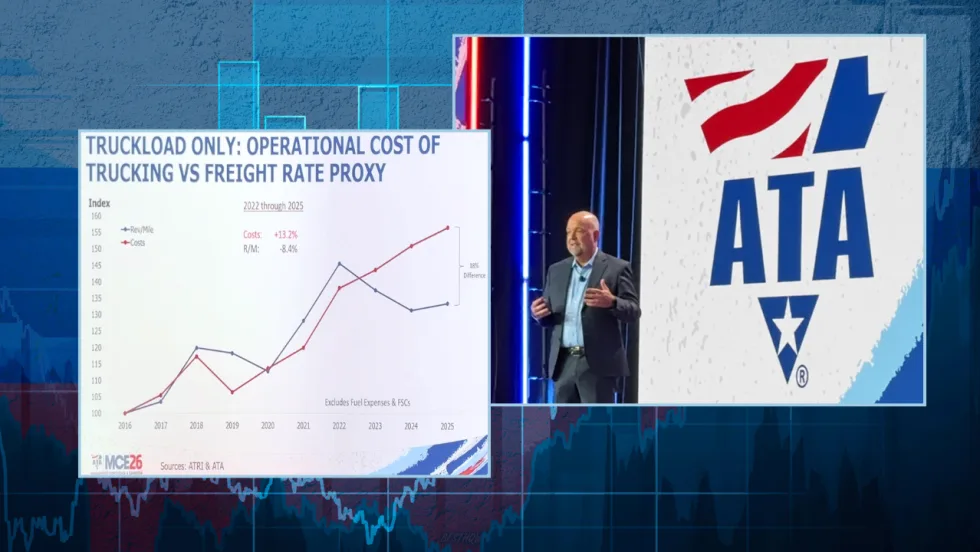
Why This Trucking Recovery Is Different
Freight demand remains sluggish, but rising costs and tougher enforcement have taken enough capacity out of the market to change the outlook for motor carriers.
Read More →
Platform Science Adds Dispatch and Safety Tools
Four additions to PS Fleet help fleets monitor loads, manage driver coaching, share truck locations and adjust video system settings.
Read More →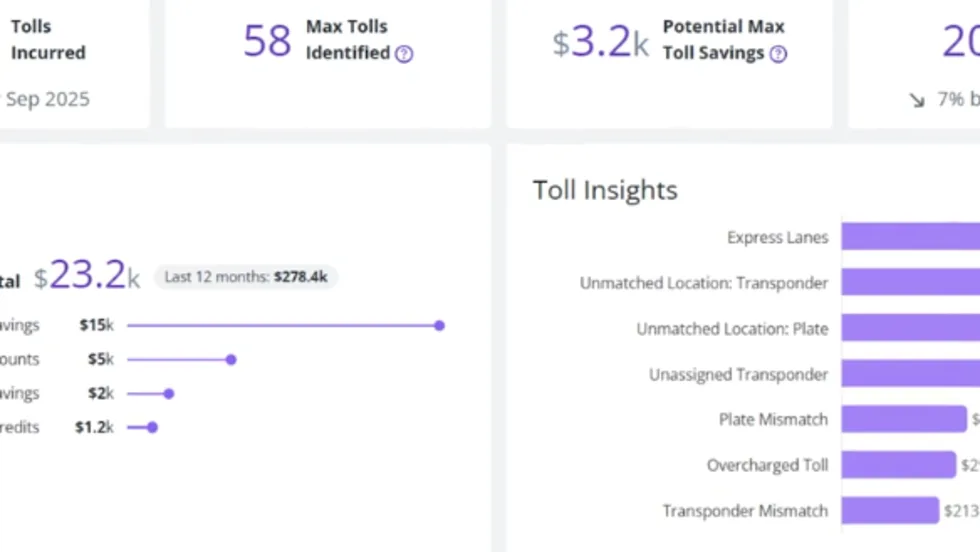
PrePass Intelligence Mines Fleet Bypass, Toll and Safety Data
PrePass Intelligence helps fleets measure bypass savings, flag potential toll overcharges, and spot suspicious transactions by combining data from separate systems.
Read More →
Motive Adds AI Agents for Fleet Operations
New tools automate follow-up on fleet data, from maintenance work orders to driver alerts, with two-way voice conversations planned for later this year.
Read More →
Can You Beat Our Trucking Trivia Challenge?
Test your truck knowledge with 19 trivia questions from Heavy Duty Trucking Exchange. Can you keep up with the fleet pros?
Read More →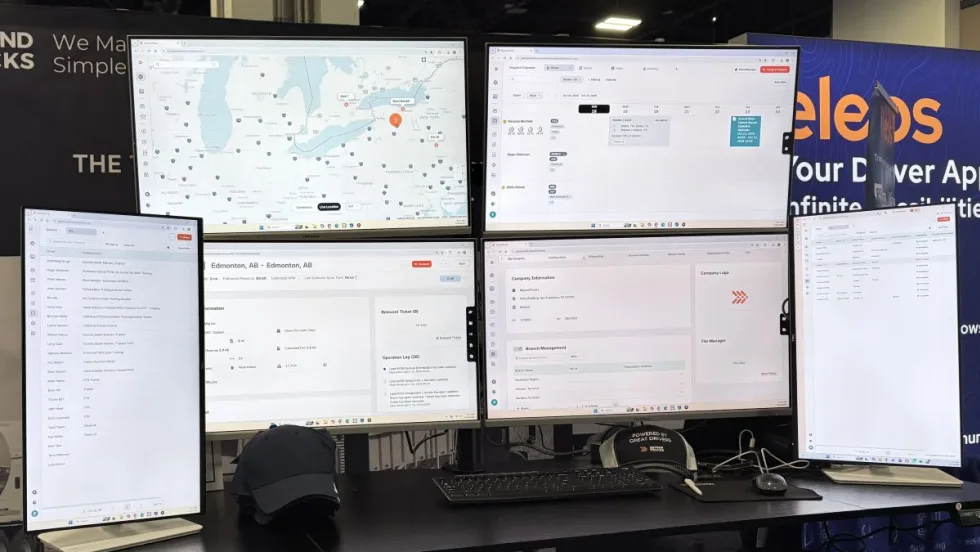
BeyondTrucks Adds Rules Checks to Dispatch
New Compatibility Engine checks driver qualifications, equipment requirements and fleet policies before loads are dispatched.
Read More →
Diesel Prices Hijack Trucking’s Worry List
ATRI’s annual survey finds cautious optimism about freight, but diesel costs, litigation, and insurance continue to squeeze fleets. Drivers have different priorities on several issues.
Read More →
Nomination Deadline Extended for HDT Emerging Leaders
Just a few more days to nominate accomplished trucking fleet professionals under 40 who are making an impact and helping lead the industry forward for the HDT Emerging Leaders award. Deadline extended to October 20!
Read More →
What Will ATA’s New Leader Bring to Trucking's Table?
Incoming President and CEO Mark Colson’s record in Alabama offers clues about his priorities and approach following Chris Spear’s abrupt departure as the head of the American Trucking Associations.
Read More →
Volvo, Waabi Start Commercial Autonomous Operations in Texas
Volvo VNL Autonomous trucks, powered by the Waabi Driver, are hauling freight directly to third-party facilities for a customer in Texas.
Read More →