




IRP Managers to Consider New Rules for First Year Estimates
Proposed changes to the way first-time registrants are allowed to estimate mileage could be the hot topic at an IRP Managers’ Workshop April 7-10 in Tampa, Fla
Proposed changes to the way first-time registrants are allowed to estimate mileage could be the hot topic at an IRP Managers’ Workshop April 7-10 in Tampa, Fla.
The proposal, submitted by Illinois, is intended to remove some incentives for base state shopping and curb what some say is outright fraud.
In theory, it shouldn’t matter where a carrier claims to be based, since the International Registration Plan apportions truck registration fees according to mileage in each jurisdiction. But there appears to be a loophole for first-time applicants.
IRP rules allow new carriers to estimate first-year mileage if they don’t have actual data. Most jurisdictions also let owner-operators estimate first-year mileage if they’re switching from carrier registration to plates of their own. However, there are no established IRP standards governing these estimates.
"Some jurisdictions try to use a rational approach," Illinois argues in its proposal. "On the other hand, some jurisdictions allow applicants to estimate unreasonable and fictitious distance and do not question past operations of vehicles."
No state is mentioned in the formal document, but Illinois Chief Audit Administrator Randy Leuschke readily points to Oklahoma. Lax standards regarding estimates in that state have prompted third-party licensing agents to market Oklahoma addresses, he says. To deliver the promised savings, some agents pack first-year estimates with high mileage in low-fee states, like New Mexico and Oklahoma, and show only minimal mileage for high-fee states, such as Illinois and California.
Leuschke and his staff have examined estimates of Illinois carriers that have moved their IRP base to Oklahoma. Many, he charges, are "blatant lies."
"We’re losing thousands of dollars to this practice," Leuschke says. Moreover, he adds, many truckers pay large mark-ups to the services for these "cheaper" plates, and could end up owing additional registration fees based on audit assessments.
In 1999 an IRP dispute resolution committee ruled that carriers couldn’t use the addresses of third-party licensing services as their IRP base. The services countered that they were in compliance with Oklahoma law and the practice has continued.
Last year the same committee, acting on a complaint by Illinois, okayed joint audits of Oklahoma IRP files. Unfortunately, says Leuschke, Oklahoma hasn’t been cooperative. (Oklahoma IRP officials were not available for comment).
The new proposal aims to tighten the rules by giving first-time registrants two choices in any state.
They could estimate mileage as is done now, but any jurisdiction could audit the estimate within the first 270 days of operation. If actual mileage is substantially different than estimated mileage, and there’s no clear reason for the difference, adjustments would be required. Registrants could also request an audit. For instance, a carrier might estimate 20 percent of its miles in California then lose a contract. The audit option would give them an opportunity to adjust their IRP estimate and reduce the high-fee California miles.
They could divide fees equally among all states traveled that first year. The total fee would be determined through a formula based on fees for all states in which the carrier travels.
Leuschke stresses that both options would be available to new carriers and to owner-operators who previously paid registration fees in the name of their carriers. "They’re entitled to estimate and to establish their own operations," he says. "After the first year the would have to report actual mileage."
The change must be approved by three-fouths of all IRP jurisdictions through balloting to be done in the next few months. If adopted, the new rule would be effective October 1, 2002.
More Drivers
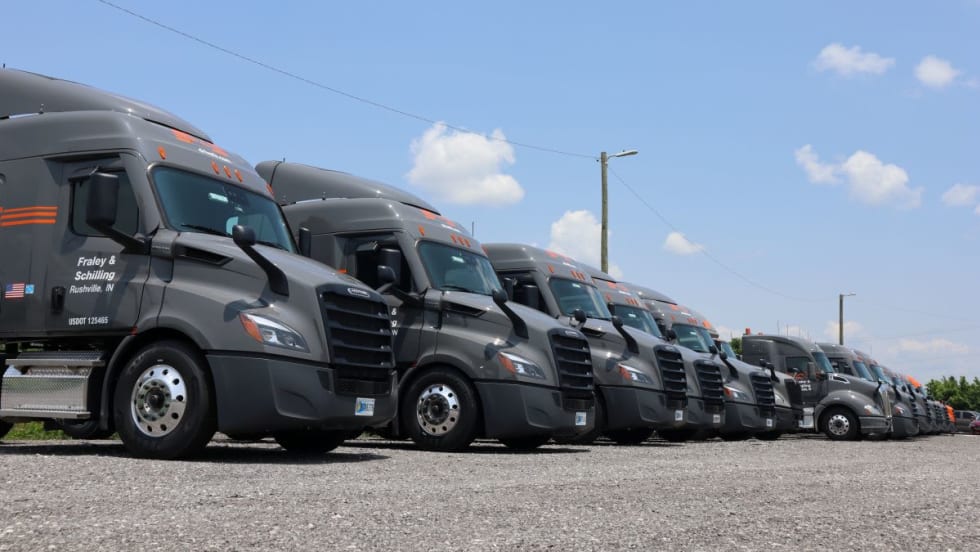
How Fraley & Schilling Improved Logbook Compliance by Over 50%
Fraley & Schilling needed a way to close a compliance workflow gap in its ELD system without adding more work from driver training, reminders, and back-office follow-ups. It found the answer in a custom driver app.
Read More →
Volvo Goes Gaming
Volvo has roared into American Truck Simulator with two new flagship trucks.
Read More →
What the Best Fleets to Drive For Teach About Driver Retention
Survey fatigue, AI-powered routing, owner-operator expectations, and the decline of social media all emerged as themes from this year's Best Fleets to Drive For program.
Read More →
Driver Retention Lessons From the Best Fleets to Drive For
What separates trucking's best workplaces from the rest? Jane Jazrawy shares the biggest lessons from this year's Best Fleets to Drive For program on driver retention, communication, AI, and workforce trends on the HDT Talks Trucking podcast.
Read More →
Farewell, CDL: Why I'm Giving Up My Commercial Driver's License
After more than 20 years as a CDL holder, HDT Executive Editor Jack Roberts is letting his commercial license expire. Not because he wants to — but because trucking's nuclear verdict crisis has made the risks of public-road test drives too great for editors, manufacturers, and everyone involved.
Read More →
How Top Trucking Fleets Improve Driver Retention [Video]
What do healthy snacks, optimized routing, and just picking up the phone have in common? They're all strategies the Best Fleets to Drive For are using to retain truck drivers.
Read More →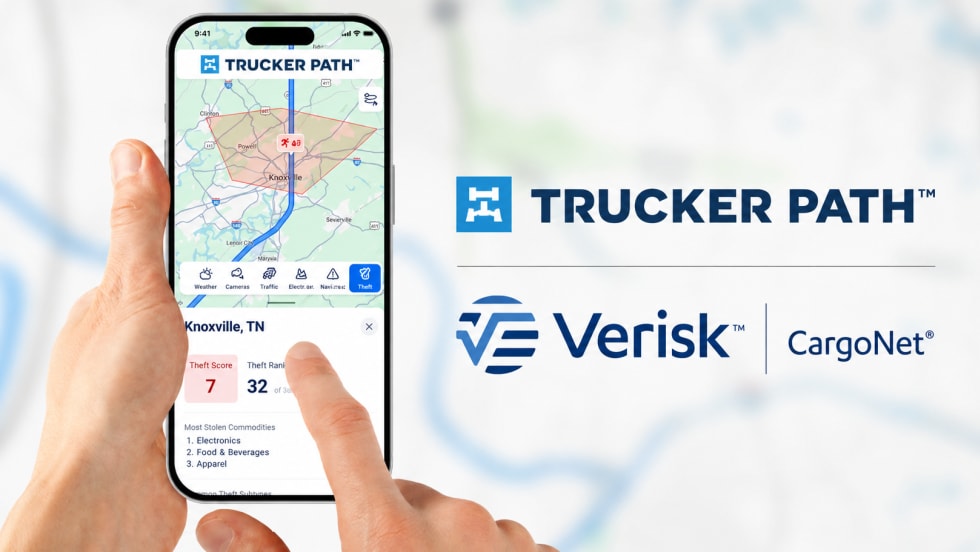
Trucker Path Adds Verisk CargoNet Theft Data to Navigation Platform
Trucker Path’s new cargo theft risk overlays give drivers and fleets visibility into high-risk areas, stolen commodity trends, and theft hotspots.
Read More →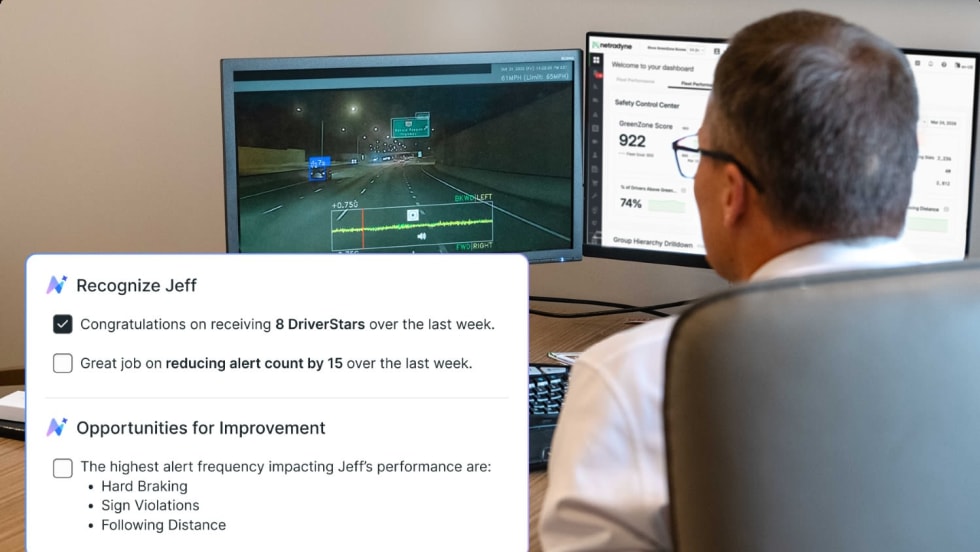
Netradyne Intelligence Uses New AI Agents to Automate Response to In-Cab Camera Data
The company called the next-generation in-cab camera safety platform "a fundamental shift from systems that report on what happened to systems that actively drive what should happen next."
Read More →
Why Truck Detention Keeps Costing Fleets Time and Money
A 2024 ATRI study found detention affects nearly 40% of truckload stops and costs the industry more than $15 billion annually. Despite the toll on drivers, fleets, and supply chains, the problem remains stubbornly persistent.
Read More →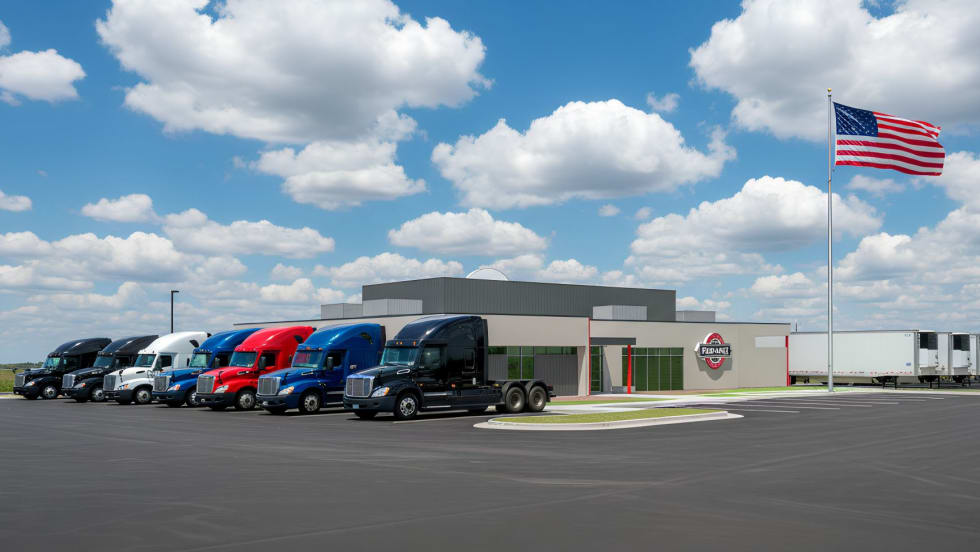
Prime Inc. to Open $7.9M Flagship Used-Truck Dealership
A new driver-focused facility to sell Prime Inc's used trucks and trailers will be the first purpose-built location in the company's history.
Read More →