




Investing in Transportation Could Save Billions in Energy Costs
An investment of $79 billion in transportation could translate to $218 billion in energy savings by 2030, according to a report released last week by the Alliance Commission on National Energy Efficiency.
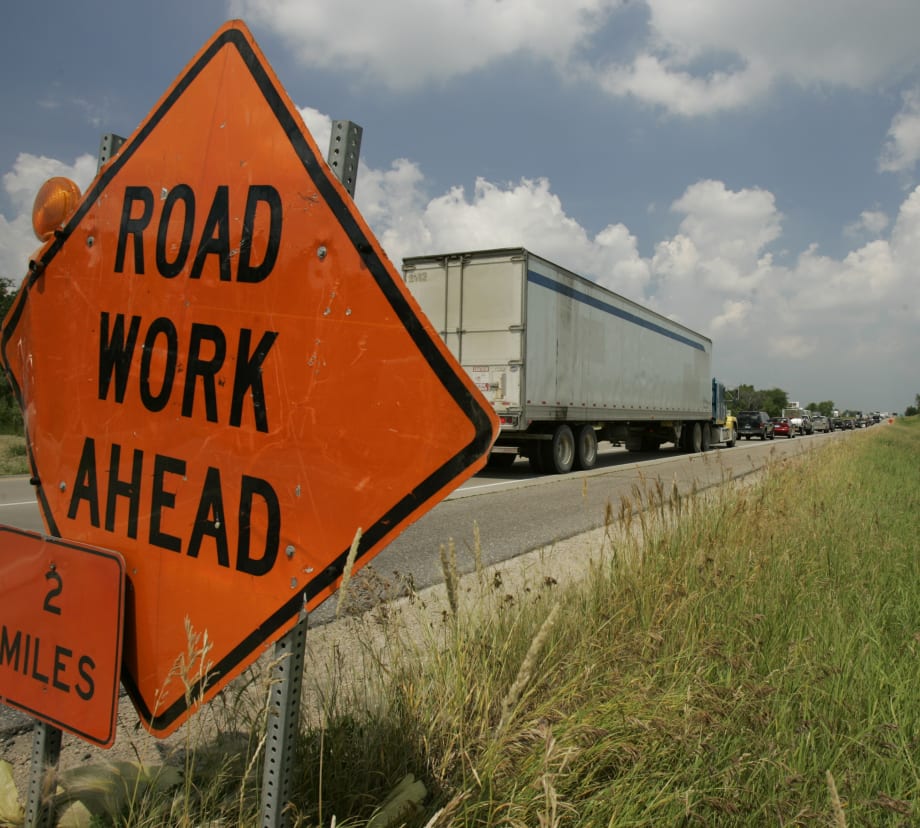

An investment of $79 billion in transportation could translate to $218 billion in energy savings by 2030, according to a report released last week by the Alliance Commission on National Energy Efficiency.
The Alliance's report encourages investment in more productive transportation systems to reduce energy costs and waste.
Alliance Chairs Senator Mark Warner (D-Virginia) and National Grid US President Thomas King emphasized the report's goal of doubling energy productivity by 2030. If achieved, the nation could add 1.3 million jobs, cut average household energy costs, reduce energy imports by more than $100 billion a year, and reduce CO2 emissions by one-third.
"Doubling our energy productivity will yield huge returns for our economy and increase our competitiveness," Warner said in a statement.
The report states that transportation accounts for "28% of U.S energy use and 71% of its oil consumption. The transportation sector has large effects on national energy productivity, environmental protection, and energy security."
Through these measures, the United States can lower its dependence on foreign oil, reduce CO2 levels affecting climate change, and bring the national transportation infrastructure system into the 21st century, according to the report.
The report also addresses cost savings in manufacturing, power grids, and other forms of energy conservation.
Finally, the report suggests congressional action to direct U.S. Department of Transportation and the Environmental Protection Agency to create long-term transportation plans for metropolitan areas so that those communities can use energy more efficiently and encourage other forms of transportation such as safe walking, biking, and public transportation.
The 34-page report, "Energy 2030: Doubling U.S Energy Productivity by 2030," is available here.
Published with permission from the AASHTO Journal's Weekly Transportation Report.
More Drivers

Driver Trust Can Make or Break the Success of Fleet Safety Technology
New Teletrac Navman research suggests that onboarding, transparency about driver data, and positive feedback can play a significant role in how commercial drivers respond to safety and coaching technology.
Read More →
EEOC Sues KLLM Over Alleged Sex Discrimination in Driver Training
KLLM is facing a federal sex-discrimination lawsuit over policies the EEOC alleges put female truck driver trainees at a disadvantage.
Read More →
FMCSA Moves to Codify English Language Requirements for Commercial Drivers
By changing regulations on English-language proficiency requirements for commercial drivers, rather than relying on a guidance memo, the FMCSA said future administrations won't be able to walk back the Trump administration's stricter enforcement with just a memo.
Read More →
Drivers Put Western Star Trucks to the Test at Star Nation Experience
Watch to get an inside look at the Western Star trucks, technology, and community behind the Star Nation Experience 2026!
Read More →
Trump Administration Looks to Put More Veterans Behind the Wheel
The Freedom Haulers program pulls together existing and expanded programs at several federal agencies to recruit veterans to drive commercial heavy-duty trucks and cut the red tape for them to get a CDL, training, and employment.
Read More →
Putting Mack’s Command Steer to the Test
A test drive of Mack’s Command Steer active steering system evaluates how it can make truck driving easier and less tiring.
Read More →
Competition Heating Up for Truck Drivers
New report reveals rising driver hiring costs, the return of sign-on bonuses, growing AI advantages, and the operational factors shaping driver retention.
Read More →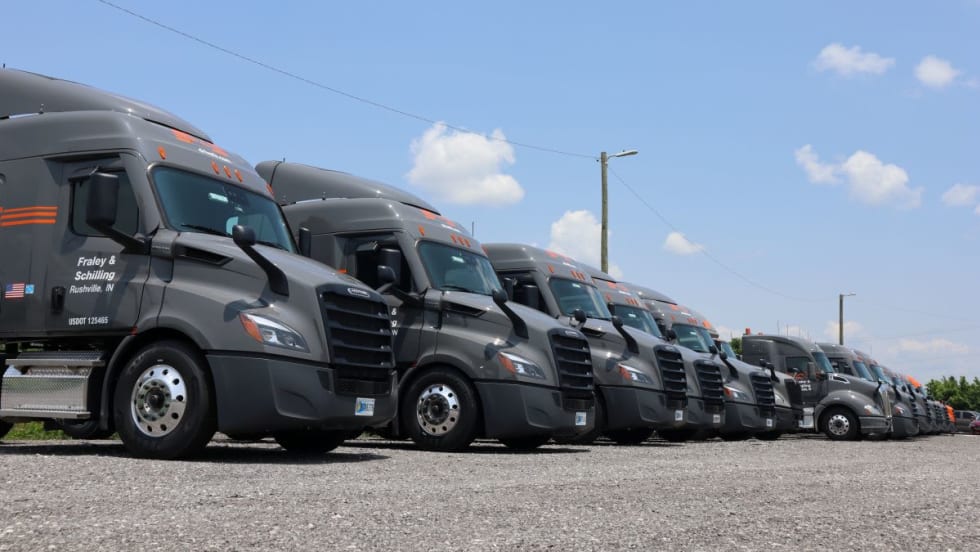
How Fraley & Schilling Improved Logbook Compliance by Over 50%
Fraley & Schilling needed a way to close a compliance workflow gap in its ELD system without adding more work from driver training, reminders, and back-office follow-ups. It found the answer in a custom driver app.
Read More →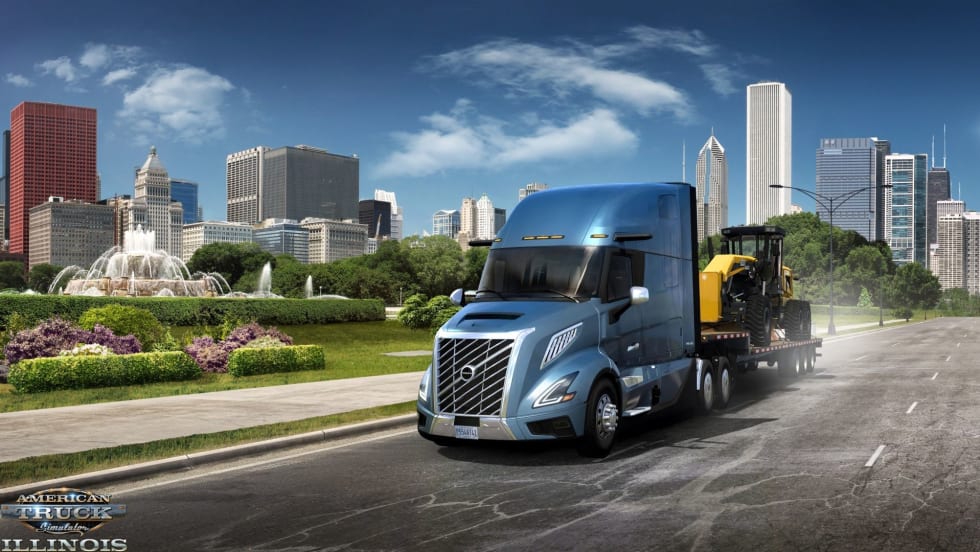
Volvo Goes Gaming
Volvo has roared into American Truck Simulator with two new flagship trucks.
Read More →
What the Best Fleets to Drive For Teach About Driver Retention
Survey fatigue, AI-powered routing, owner-operator expectations, and the decline of social media all emerged as themes from this year's Best Fleets to Drive For program.
Read More →