




Intermodal Recovery Strengthens During Second Quarter
Total intermodal freight volumes gained 4.5% in the second quarter of the year, the strongest growth in nearly three years, according to new figures from the Intermodal Association of North America.

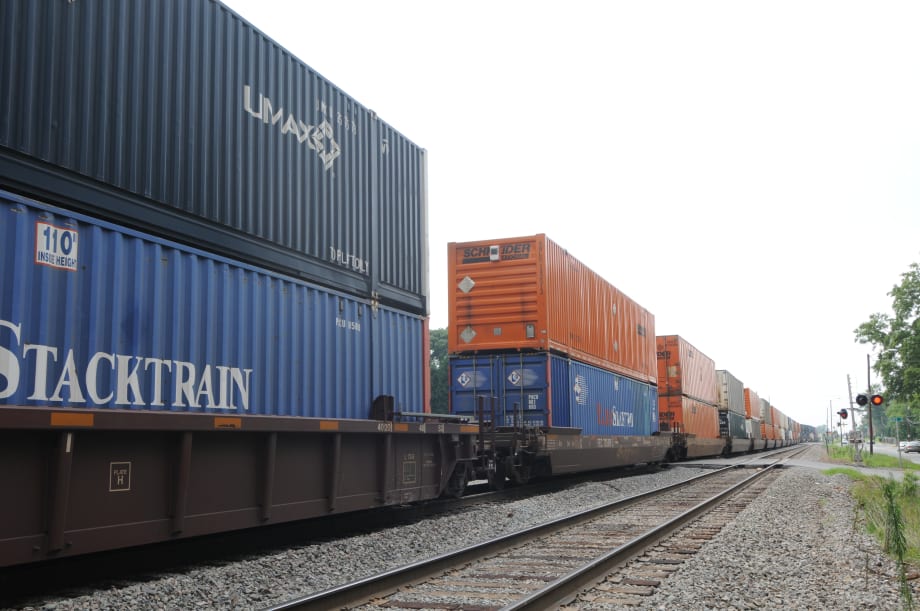
Intermodal service providers again demonstrated clear gains in the intermodal sector. Photo: Jim Park

Total intermodal freight volumes gained 4.5% in the second quarter of the year, the strongest growth in nearly three years, according to new figures from the Intermodal Association of North America.
International freight once again was the primary driver, rising 5.6%. Domestic containers and trailer volumes increased 3.2% and 3.9%, respectively.
"Growth in the second quarter indicates that economic conditions continue to improve for all segments of the intermodal market,” said Joni Casey, president and CEO of IANA. “Year-to-date performance is a healthy 3.3%, notwithstanding a weak year-over-year comparison for the second quarter."
Intermodal service providers again demonstrated clear gains in the intermodal sector. While highway loads declined 3.4%, intermodal volumes were up 5.8% for the quarter. The net result was a 0.6% improvement over the same period last year.
The seven highest-density trade corridors, accounting for 63.4% of total intermodal volume, collectively were up 4% in the second quarter. The Trans-Canada lane led the way with an 11.4% expansion, while the Midwest-Northwest, down by 0.6%, experienced the only decline. The remaining five corridors' growth in the second quarter ranged from a 1.3% to 4.6% improvement.
Of these seven lanes, five stood out in terms of directional activity, accounting for 42.9% of the three-month results. The Southwest-Midwest direction took the lion's share with 10.6%. Western Canada-Eastern Canada and the Eastern Canada-Western Canada both came in at 9.2%, while the Midwest-Southwest route added 7.4%. The final in the top five, the Northeast-Midwest, accounted for 6.5%.
More Fleet Management

How HDT’s 2026 Truck Fleet Innovators Are Rethinking Fleet Operations
Meet five trucking leaders who are challenging assumptions, solving operational problems, and putting innovative ideas to work.
Read More →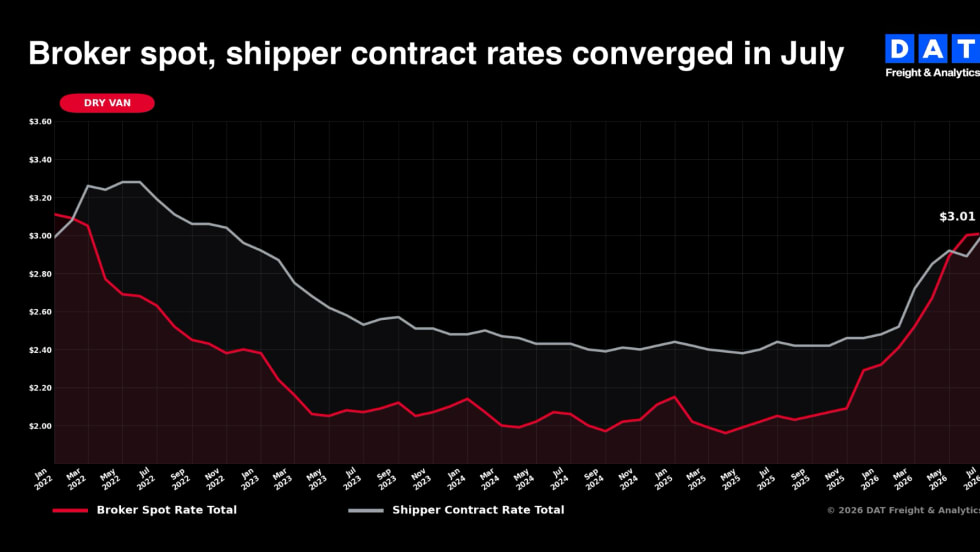
Tight Trucking Capacity Pushes Rates Higher Even as Freight Volumes Fall
“Spot rates moving ahead of contract rates have historically signaled a tightening market, but we haven’t seen a capacity-driven market quite like this one,” said DAT's Dean Croke.
Read More →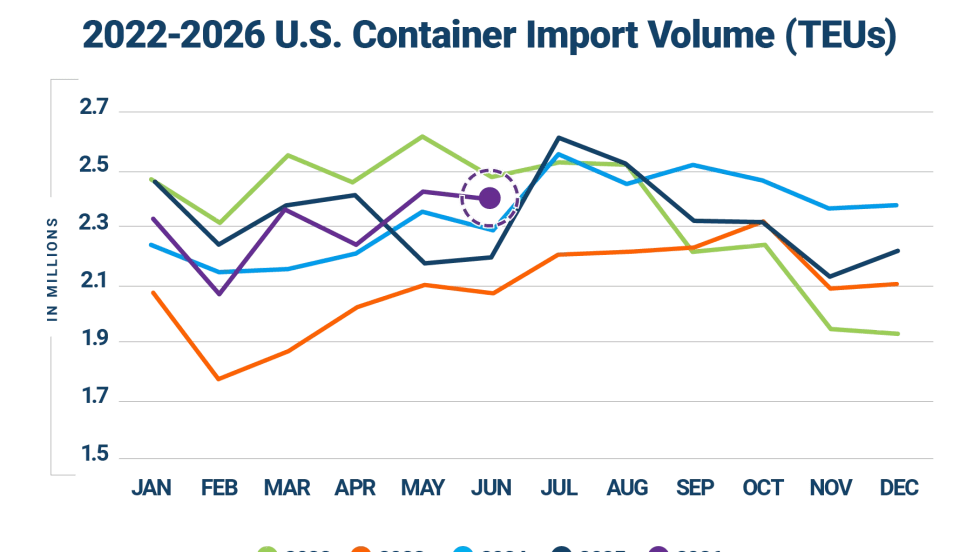
Import Cargo’s Early Peak Season is Winding Down
There was an early start to peak season this year at the nation's gateway ports, as retailers brought in merchandise ahead of tariff changes in late July and responded to other supply chain uncertainties,
Read More →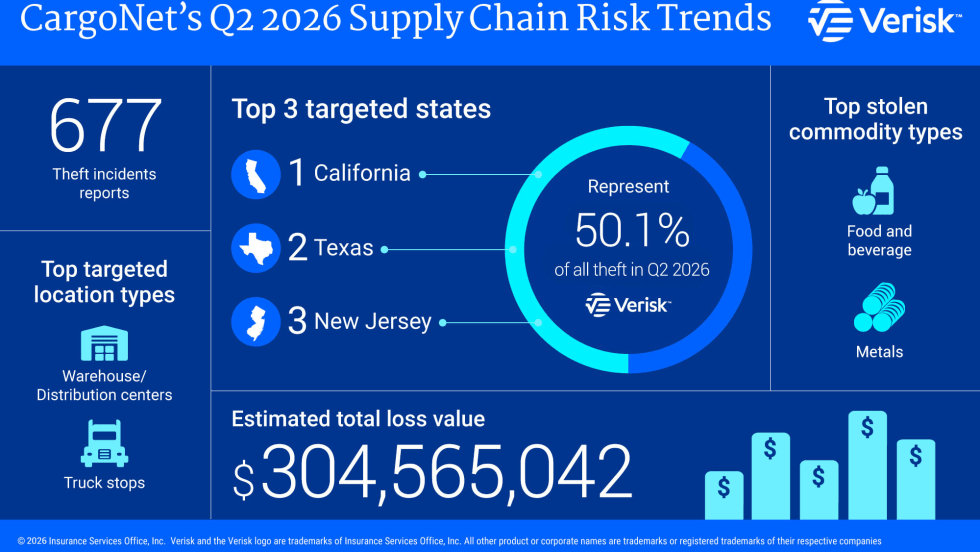
Fewer Cargo Thefts, Bigger Losses: Criminals Target Higher-Value Loads
CargoNet says organized theft rings are stealing fewer shipments but choosing more valuable freight, including metals and technology, resulting in record losses.
Read More →
How Innovative Trucking Leaders Turn Change Into an Advantage
As the pace of change accelerates in trucking, the fleets that adapt best have more than the latest technology. They have cultures that embrace improvement.
Read More →
Freight Broker Bonds Just Got Harder to Get. Here's What That Means for Your Fleet.
When it gets harder for a freight broker to prove they are financially sound, the ones who cannot clear that bar get pushed out of the market. And those are exactly the brokers who used to leave motor carriers holding the bag.
Read More →
Long-Awaited Canadian Border Bridge to Open in Detroit
For trucking, the bridge opening should offer immediate improvements in efficiency and reliability, with new customs facilities, expanded inspection capacity, and direct freeway-to-freeway connections.
Read More →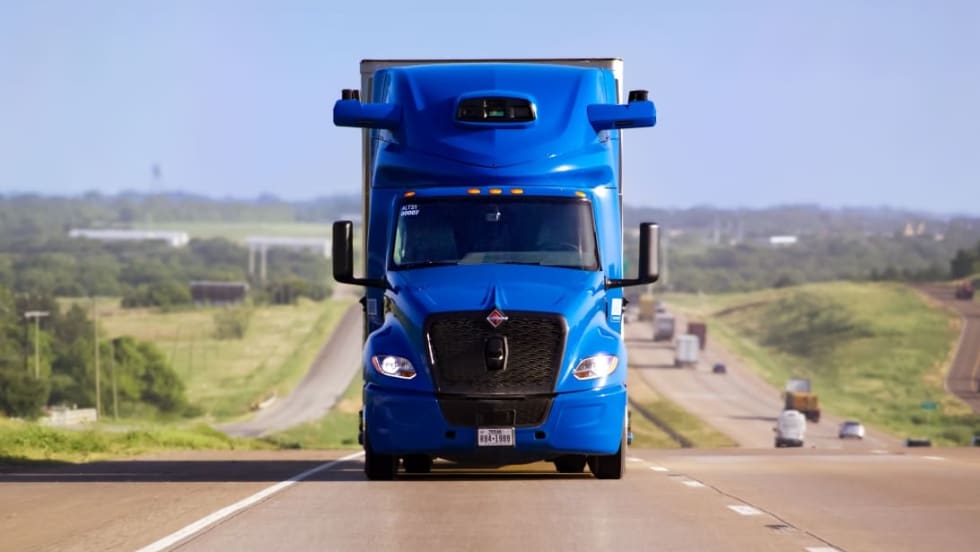
Aurora Rolls Out Next Generation of Driverless Trucks for Commercial Freight
Aurora's latest autonomous trucks it's rolling out with International feature lower-cost hardware designed for a million miles as the company expands commercial driverless freight operations across the U.S. Sun Belt.
Read More →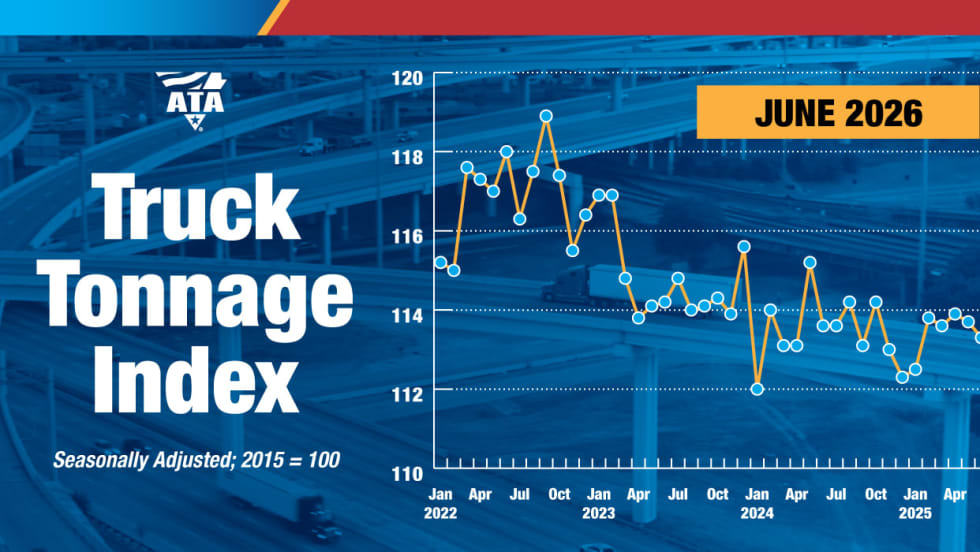
Freight Tonnage Down, Rates up, as Lower Capacity Powers Trucking Recovery
The recovery from the freight recession continues to be driven by reduction in capacity rather than by increased demand.
Read More →
Think Your Trucking Fleet Isn't Using Much AI? Think Again
Shadow AI — the use of unauthorized artificial intelligence tools at work — is becoming increasingly common, putting sensitive company data at risk. Learn how trucking fleets can protect sensitive data while embracing AI.
Read More →