




The Long and the Short of Truckload Today
In the third part of our Trucking in the 21st Century series, we look at how the length of haul is no longer the yardstick for truckload — innovation and flexibility are.

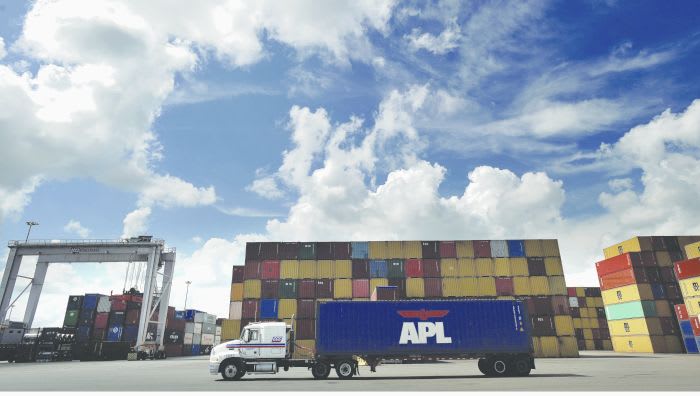
Intermodal is playing a larger role in changes in long-haul trucking. Ports on the East Coast, like the Port of Savannah, may see more traffic coming through the newly expanded Panama Canal, which could result in less freight being trucked across the country from West Coast ports. Photo: Port of Savannah
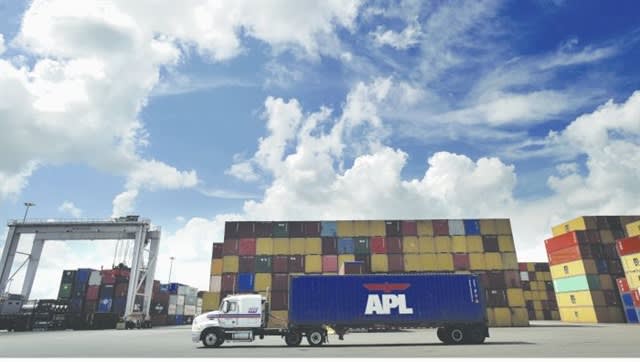
Intermodal is playing a larger role in changes in long-haul trucking. Ports on the East Coast, like the Port of Savannah, may see more traffic coming through the newly expanded Panama Canal, which could result in less freight being trucked across the country from West Coast ports.Photo: Port of Savannah
The truckload landscape is slowly but surely being reshaped by market forces that are redefining for many fleets what it means to be a long-haul carrier. While these changes may not be as rapid or disruptive as what’s happening in the last-mile space, they are just as transformative for trucking in the 21st century.
The deregulation of trucking in the early 1980s threw open the door to truckload carriers, many of which launched with a single truck and grew into industry giants. Those operations have been synonymous with long-haul freight movement, as carriers in the less-than-truckload segment have primarily picked up and delivered freight with regional and shorter hauls, including local “peddle” routes.
To be sure, long-haul freight is not going away. But how it gets moved by truckload carriers is starting to evolve, driven by changes in customer and market demands as well as the impact of the continuing driver shortage.
Shippers are becoming more demanding of their carrier partners, which is remaking many familiar freight distribution patterns. Underlying changes in consumer habits have been driven by advances in what supply chains can do at dizzying speed to engage individual shoppers plinking out orders for socks or dog food or what-have-you on keyboards out there in Anywhere, U.S.A.
Because technology is changing how sellers of all things interact with both their business and consumer buyers, shippers are being compelled to redesign supply chains to ensure product gets to market faster and more intelligently than ever. They are doing what it takes to ensure that deliveries, whether to stores or front doors, are completed speedily and as hassle-free as possible. That means more complex supply chains sprouting more distribution points that truckload carriers must figure out how best to serve.
Consider that Walmart’s unexpectedly high U.S. sales for the 2016 holiday season are being credited to a jump in online spending, according to global IT and business solutions provider Syntel. “Retailers are accountable to customers, and their success is measured not just in terms of the quality of the products they offer, but also by the quality and consistency of the customer experience,” says Syntel CEO Rakesh Khanna.
In line with that thinking, he contends that leveraging real-time data enables retailers to monitor customer shopping habits; track interest in individual products across in-store, online and mobile shopping channels; and achieve insights into stock levels and the supply chain “to ensure that the right products are available for purchase.”
And that means freight has to move from origin to distribution centers to stores and even to homes in much different patterns than it has for decades.
Intermodal
Technology is also advancing the role of intermodal movements in handling long-haul freight. The “Internet of Things” we hear so much about these days “translates into visibility across the supply chain, from origination to last mile drayage,” points out the Intermodal Association of North America. IANA sees “an increasingly interconnected intermodal network and the rapid deployment of information-sharing solutions generating more revenue per mile, with shared benefits for importers, exporters and carriers.”
Intermodal, of course, is but one solution for long-haul freight, and it has limited appeal. IANA says one of its key strengths is adding capacity through double-stacking containers on trains while maintaining a fuel efficiency advantage over trucks, “making it the cost-effective transportation option particularly at distances of 500 miles or more.”
But look to the sea, and another way that the global intermodal industry will directly affect U.S. trucking is becoming visible. Last June, the Panama Canal — that marvel of 20th-century engineering — completed an expansion of its locks. Some estimate this could shift up to 10% of the marine container traffic coming from East Asia away from West Coast ports to East Coast ports by 2020.
The enlarged canal and corresponding infrastructure changes made at East Coast ports will enable much larger container ships to directly serve the densely populated Atlantic seaboard, instead of docking at West Coast ports and then shipping goods eastward by rail or truck.
These larger ships can carry up to about 13,000 twenty-foot-equivalent units, or TEUs, making for nearly three times the shipping container capacity of 4,500-to-5,000-TEUs of the Panamax-class vessels that previously were the largest to traverse the canal. Some analysts expect that, over time, this greater seaborne capacity will push growth of more regional trucking on both coasts by, in effect, equalizing the freight flows to each side of the continent.
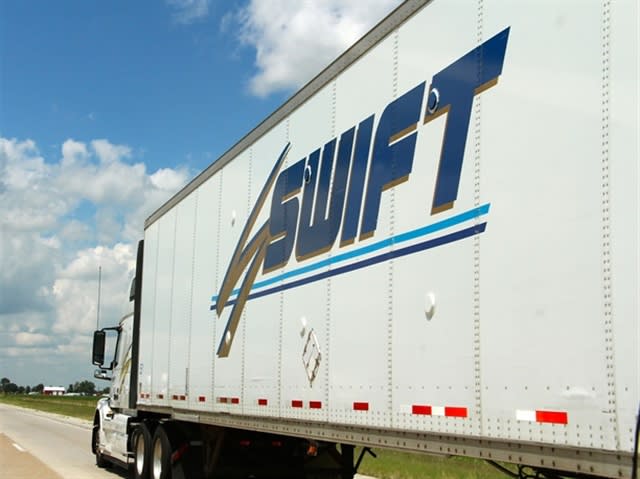
Swift Transportation is diversifying its service offerings to appeal to both customers and drivers. For example, the carrier offers an expedited team service aimed at “high-value loads” that relies on more than 4,000 drivers, while its new Swift Express routing option allows drivers to transport loads within a close range of their homes.Photo: Evan Lockridge
More paths to regional and beyond
The upshot of all these logistics trends is that retailers and their suppliers are moving toward supply chains that are more regionalized, because they aim to be closer and more responsive to their customers in this digital age. That is what’s shortening the truckload length of haul — or as some describe it, “regionalizing” freight.
Layer on top of that the endemic shortage and high churn rate of long-haul drivers and the drain on productivity created by stricter federal safety regulations, and the pain points carriers must alleviate extend beyond just keeping the customer satisfied.
The result of these influences is that some truckload carriers are now more engaged in shorter or regional hauls and are more likely to pursue freight via dedicated contracts and on the spot market, even to the point of setting up in-house freight brokerages.
Some truckload carriers view these changes as opportunities. Some are setting up hub-and-spoke operations in which the regionalized hub terminals put the trucks closer to the long-haul freight. Others are fielding more teams to handle expedited longer-haul freight; running Pony Express-type freight relays; or switching from assigning trucks to individual drivers to operating via slipseat.
Typically, larger carriers are shifting company-owned trucks to dedicated contract carriage and other regional freight routes. At the same time they are establishing their own brokerages so they can move the less profitable long-haul freight by brokering it to smaller carriers and owner-operators, primarily on the spot market.
Jonathan Starks, COO of freight transportation forecasting firm FTR, says many truckload fleets are running essentially a hybrid model. “Dedicated carriage tends to be over shorter hauls, so then the carrier pushes linehaul moves onto the spot market or to brokers. The idea is if they can focus on dedicated routes and optimize their operation for that, they will get both higher productivity — asset utilization — and rates.” He says this trend emerged in the early 2000s and continues to grow.
He is less enthused about some other truckload trends, such as expedited freight moved by teams and freight relays. “There’s good growth out there for expedited freight, but there are limited applications for rapid delivery or replenishment [of goods]. And it’s not a major way to address driver turnover.” As for relays, he says, “the Pony Express lasted only until there was a better system in place. Relaying might work well with autonomous trucks, but otherwise it would have relatively limited applications.”
On the other hand, Starks views hub-and-spoke distribution as a promising avenue. “Hub-and-spoke setups work well with more localized warehousing to ensure omnichannel fulfillment in a narrow window of time.” (Omnichannel is the trend toward a mix-and-match buying experience of online, brick-and-mortar, and hybrid options.)
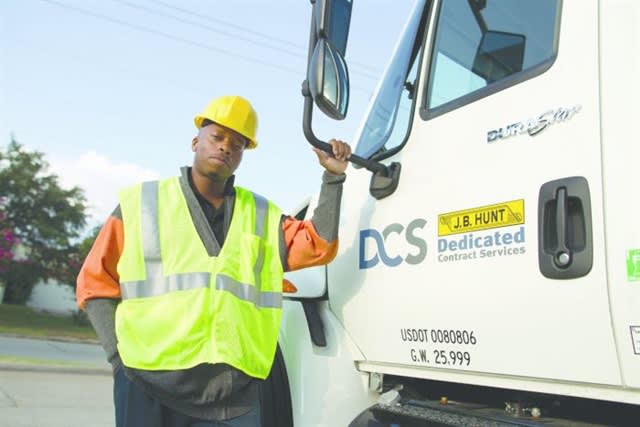
Some larger carriers are shifting company-owned trucks to dedicated contract carriage and other regional freight routes.Photo: Drivewyze
Dealing with driver delays
No matter how exactly the freight gets moved, if you shout “long haul,” what echoes back is “driver shortage.” And by all indications, that script is not going to be rewritten much if at all, leastways until autonomous trucks become commonplace on the nation’s highways.
A driver shortage is hardly unique to the 21st century, but the most recent analysis of the situation released by the American Trucking Associations is grim. ATA estimates that “if nothing changes in the trend line by 2024, the shortage could be as high as 174,500 drivers.” And that figure does not take into account the impact of specific regulations, such as the electronic logging device mandate that kicks in this December. Rather, the estimate “simply demonstrates the difference between the expected supply of drivers (using demographic and population data) and the demand for drivers (which accounts for industry growth and replacing aging drivers).”
ATA Chief Economist Bob Costello, co-author of the analytical report, calls the driver shortage “a challenge, but not an insurmountable one.” He says a range of solutions is called for, including “increasing driver pay and getting drivers more time at home, as well as improving the image of the driver and their treatment by all companies in the supply chain.”
Keeping the driver from being held up, of course, is highly important to more than the driver, and may be a key difference in the 21st-century logistics environment. C.H. Robinson, a Fortune 500 global provider of freight transportation and 3PL services, states in a recent white paper that “research shows that keeping the driver moving and generating income is more important” to some carriers than keeping as a customer a shipper that delays them.
The authors point out that “carriers can’t generate revenue without reliable drivers,” and today’s driver shortage can lead to carriers favoring shippers that do more to make the driving job more attractive so the carrier can keep good drivers. All nine truckload carriers interviewed for the study affirmed that if all things were equal between two shippers, they would choose the one that keeps their drivers “happy.”
The paper suggests that a carrier might opt to more often reject loads offered by a shipper that “consistently provides a bad experience for drivers,” even if the fleet’s concern does not register right away in the rate. In other words, carriers have more immediate leverage to apply by simply rejecting loads.
Moving well beyond merely striving not to waste drivers’ time on duty, consultant Duff Swain, president of Trincon Group, contends the time is right for truckload carriers to slipseat their operations to maximize productivity on a very rational basis.
“People don’t get off a bus, train, plane or ship because the person operating the vehicle ran out of working hours, because the carrier slipseats the vehicle with another operator,” says Swain. “The only reason we don’t slipseat trucks is that fleet owners are stuck in a past mindset.”
He argues that because trucks can be depreciated over three years and typically now carry a warranty of 700,000 miles, they should be run for 700,000 miles in three years to maximize revenue and minimize expenses and to pay less tax on profits. “But you cannot drive a truck 700,000 miles in three years with one driver, so you have to slipseat it.”
Swain says slipseating of truckload shipments does exist — just look at how gasoline retailers are supplied. “Large oil marketers, such as Exxon, cooperate with local mid-size carriers to pick up and deliver gasoline to gas stations on a 24/7 basis. If they do not operate 24/7, no one makes a profit.”
However, Swain concedes that slipseating truckload freight does require operating in highly saturated lanes by employing drop-and-hook techniques and domiciling drivers and trucks differently.
Technology and its influence on human behaviors is not so much changing the long-haul landscape as shaping it into a far more fluid environment. And those carriers that can quickly adapt to this more flexible and variable marketplace will be the ones that keep on prospering in the 21st century.
More Fleet Management

Platform Science Adds Dispatch and Safety Tools
Four additions to PS Fleet help fleets monitor loads, manage driver coaching, share truck locations and adjust video system settings.
Read More →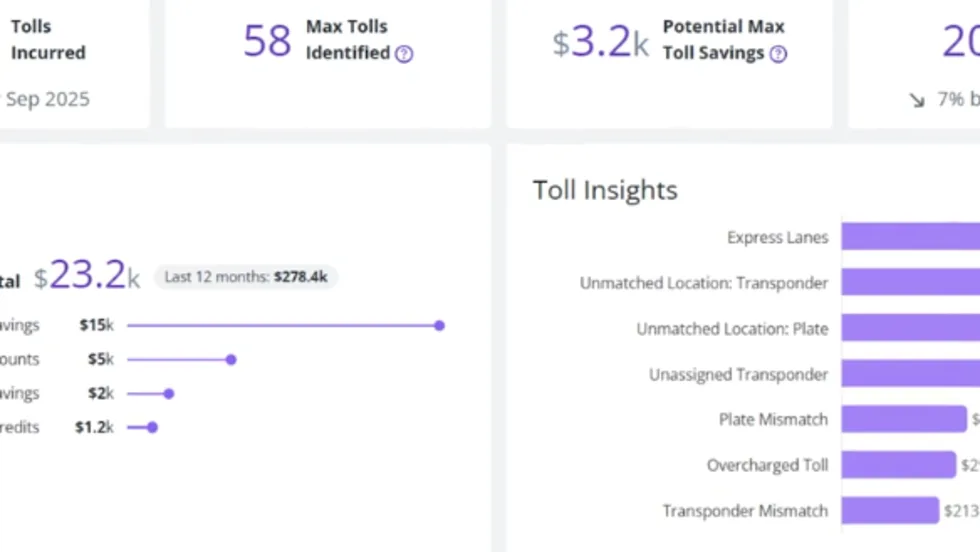
PrePass Intelligence Mines Fleet Bypass, Toll and Safety Data
PrePass Intelligence helps fleets measure bypass savings, flag potential toll overcharges, and spot suspicious transactions by combining data from separate systems.
Read More →
Motive Adds AI Agents for Fleet Operations
New tools automate follow-up on fleet data, from maintenance work orders to driver alerts, with two-way voice conversations planned for later this year.
Read More →
Can You Beat Our Trucking Trivia Challenge?
Test your truck knowledge with 19 trivia questions from Heavy Duty Trucking Exchange. Can you keep up with the fleet pros?
Read More →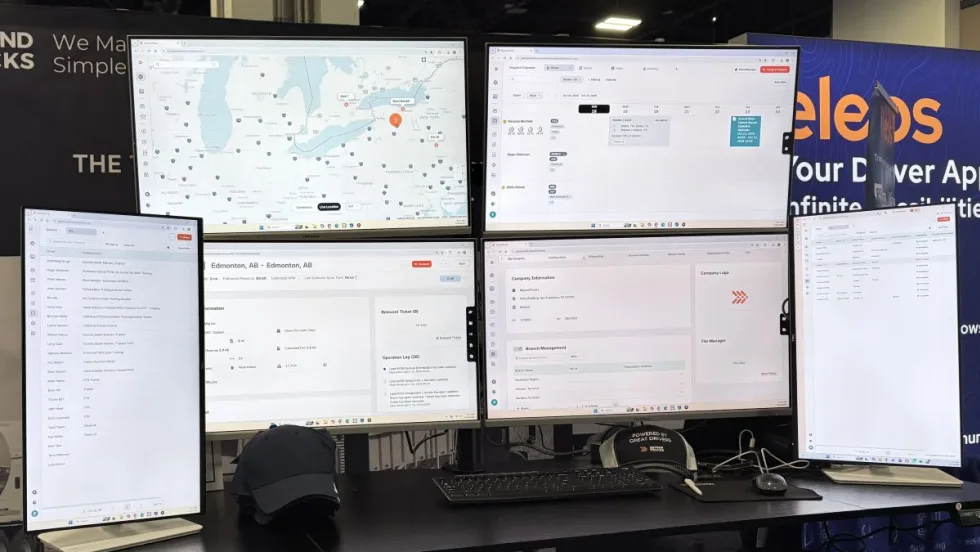
BeyondTrucks Adds Rules Checks to Dispatch
New Compatibility Engine checks driver qualifications, equipment requirements and fleet policies before loads are dispatched.
Read More →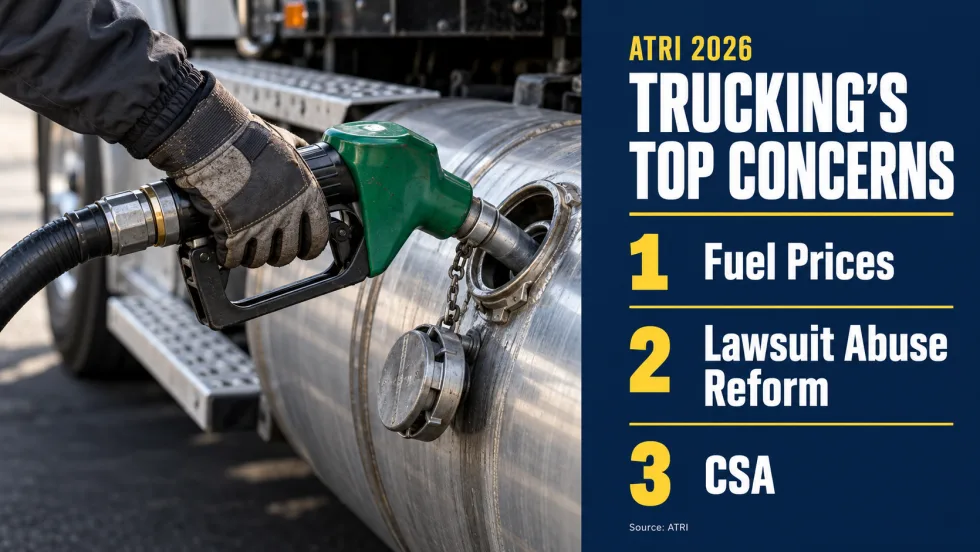
Diesel Prices Hijack Trucking’s Worry List
ATRI’s annual survey finds cautious optimism about freight, but diesel costs, litigation, and insurance continue to squeeze fleets. Drivers have different priorities on several issues.
Read More →
Nomination Deadline Extended for HDT Emerging Leaders
Just a few more days to nominate accomplished trucking fleet professionals under 40 who are making an impact and helping lead the industry forward for the HDT Emerging Leaders award. Deadline extended to October 20!
Read More →
What Will ATA’s New Leader Bring to Trucking's Table?
Incoming President and CEO Mark Colson’s record in Alabama offers clues about his priorities and approach following Chris Spear’s abrupt departure as the head of the American Trucking Associations.
Read More →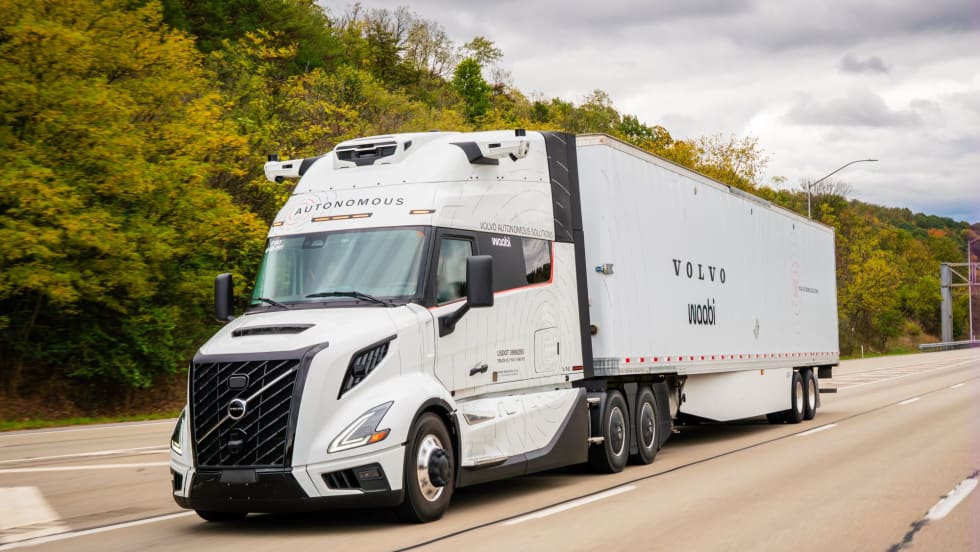
Volvo, Waabi Start Commercial Autonomous Operations in Texas
Volvo VNL Autonomous trucks, powered by the Waabi Driver, are hauling freight directly to third-party facilities for a customer in Texas.
Read More →
Samsara Launches Custom AI Agent Builder
Agent Studio lets fleets create AI tools for hours-of-service monitoring, reporting and driver support, including agents that communicate by phone.
Read More →