




Intermodal Freight Slows Shift to East Coast
As intermodal freight enters peak shipping season at the nation's ports, West Coast ports appear to be slowing the diversion of freight to East Coast ports. At the same time, East Coast ports are working to extend their inland reach, according to published reports.
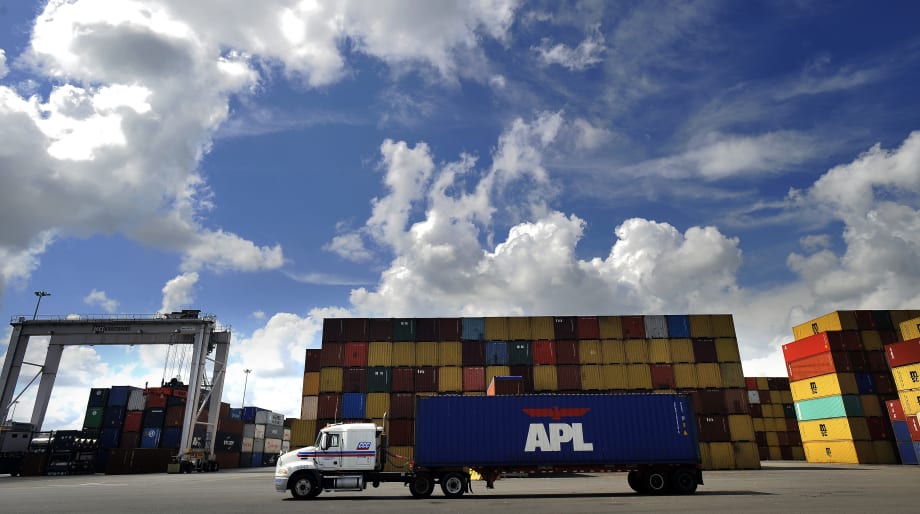
Photo: Georgia Ports Authority
Photo: Georgia Ports Authority
As intermodal freight enters peak shipping season at the nation's ports, West Coast ports appear to be slowing the diversion of freight to East Coast ports. At the same time, East Coast ports are working to extend their inland reach, according to published reports.
Total container volume moving through the Los Angeles-Long Beach port complex in July was up 6.8% from a year ago, and Oakland’s total container volume in July increased 1% year over year.
East and Gulf Coast ports don't seem to be hurting too badly, however, reporting double-digit increases in container volumes due to cargo diversions from the West Coast.
Labor unrest has been a major reason for slowdowns on West Coast ports over the past few years. As the Journal of Commerce reports:
Diversions from the U.S. West Coast began in July 2014, when the coastwide contract agreement between the International Longshore and Warehouse Union and the Pacific Maritime Association expired. Beneficial cargo owners, especially importers, hedged their bets against possible labor disruptions by diverting some of their shipments through East and Gulf Coast ports as well as through Vancouver and Prince Rupert in Canada.
The modest diversions last summer turned into a flood of diverted cargo beginning in November 2014 when the PMA statistics showed clearly that ILWU work slowdowns crippled West Coast port productivity. The congestion at all of the major gateways grew worse in early 2015 when the PMA retaliated by withholding lucrative night and weekend work opportunities from longshoremen. The contract impasse ended on Feb. 20 when intervention from the Obama administration resulted in a tentative contract that was ratified by the ILWU and PMA in late May.
In the meantime, shippers have been spending a lot of money to route containers to the East Coast and haul them back to inland destinations.
The Southeast ports, meanwhile, are extending their reach inland. Port authorities in Georgia and South Carolina are writing plans to build more inland ports in their states.
In late July, the Georgia Ports Authority announced a new inland terminal will open in 2018 in Chatsworth, Ga. Its service area will include North Georgia, Alabama, Tennessee and parts of Kentucky. Port officials estimate the CSX rail route will reduce Atlanta truck traffic by 40,000 moves annually, creating a new intermodal option to and from the deepwater Port of Savannah. Each container moved by rail to the Appalachian Regional Port will offset 355 truck miles on Georgia highways.
In South Carolina, the inland port is 212 miles from the ocean. A brochure for the Greer, S.C., facility claims a 70-85% reduction in emissions from fewer truck/empty miles for shippers using it.
The Port of Jacksonville has been looking for sites for inland ports in Northeast Florida. And the Virginia Port Authority is happy with its inland facility’s recent performance and says it will use it as a template for future terminals elsewhere in the state.
As another JOC report explains, "the appeal of inland ports is clear. By setting up shop near inland ports, shippers can cut down their drayage costs and tap the benefits of logistics clusters such as third-party logistics services and a skilled workforce. In the U.S. Southeast that appeal is illustrated in the booming success of three individual inland ports in Georgia, South Carolina and Virginia, where those ports are not only successful, they're now spurring interest in new inland port development in the region."
Jim Newsome, president and CEO of the South Carolina Ports Authority, told JOC.com that “This is the next trend in East Coast distribution, these inland ports. The ports are interested because an inland port can make cargo sticky to your port. The railroads are interested because their coal volumes are down."
More Fleet Management

What the U.S.-Canada Trade War Means for Trucking
Escalating U.S.-Canada tariffs could disrupt cross-border freight, reduce truck volumes, raise costs, and create new uncertainty for carriers on both sides of the border.
Read More →
What Are Trucking’s Top Concerns for 2026?
The American Transportation Research Institute wants to know what's worrying trucking fleet managers, drivers, and other stakeholders in its annual Industry Issues survey.
Read More →
American Trucking Associations Looks for a New Leader
ATA President and CEO Chris Spear abruptly left his job at the association on August 21, at a pivotal time for the trucking industry.
Read More →
Public Wi-Fi Cybersecurity Risks: How Truck Drivers and Fleets Can Protect Their Data
Public Wi-Fi can expose truck drivers and fleets to credential theft, malware, and other cyber threats. Here’s how to reduce the risk on the road.
Read More →
For Nicky Cupp, Fleet Innovation Starts With Frustration
HDT Truck Fleet Innovator Nicky Cupp turns everyday pain points at Fraley & Schilling into opportunities for better technology and smarter processes.
Read More →
Adam Buttgenbach’s Approach to Electric Trucks: Start With Where They Fit
HDT Truck Fleet Innovator Adam Buttgenbach helped PepsiCo build one of North America’s largest EV fleets by focusing on where electric trucks make operational sense.
Read More →
Deen Albert: Let Automation Do the Math, People Make the Decisions
HDT Truck Fleet Innovator Deen Albert makes sure people are still at the heart of operations at Grand Island Express, even while adopting artificial intelligence tools. AI-assisted dispatch helped boost revenue 25% with the same number of trucks.
Read More →
Trimble’s New AI Agent Takes Aim at Fleet Back-Office Busywork
Arc Agent works across Trimble TMS products to automate repetitive tasks such as freight orders, maintenance, invoices, fuel costs and more.
Read More →
How HDT’s 2026 Truck Fleet Innovators Are Rethinking Fleet Operations
Meet five trucking leaders who are challenging assumptions, solving operational problems, and putting innovative ideas to work.
Read More →
Tight Trucking Capacity Pushes Rates Higher Even as Freight Volumes Fall
“Spot rates moving ahead of contract rates have historically signaled a tightening market, but we haven’t seen a capacity-driven market quite like this one,” said DAT's Dean Croke.
Read More →