




Intermodal Freight Growth Strong Last Year
Despite network congestion and economic headwinds, intermodal freight saw solid growth in 2015, but the level of freight was barely up in the final quarter, according to the Intermodal Association of North America.
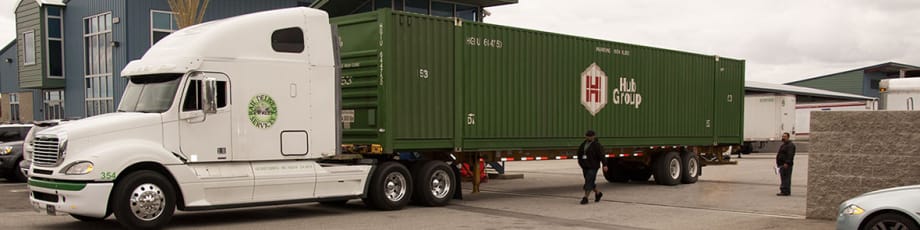
Photo: Intermodal Association of North America

Photo: Intermodal Association of North America
Despite network congestion and economic headwinds, intermodal freight saw solid growth in 2015, but the level of freight was barely up in the final quarter, according to the Intermodal Association of North America.
Domestic container gains more than offset declines in trailer volumes and marginal international increases to achieve 2.8% growth in total intermodal volumes last year over 2014.
"All things considered, intermodal performed well for the year," said Joni Casey, president and CEO of IANA. "Even as fuel prices were dropping, domestic container volumes were picking up. This smoothed variations across segments, especially in the fourth quarter."
The domestic container segment grew 5.2% in the fourth quarter of 2015. International shipments, which had been affected by port congestion at the beginning of the year, fell 0.6% due to high inventories and softer import growth. Fourth quarter trailer volumes dropped 15% while the overall intermodal sector saw just a 0.3% gain for the quarter.
The seven highest-density trade corridors, accounting for 66% of total intermodal volume, fell 0.2% in the fourth quarter against the small industry gain. Growth rates for each individual corridor varied widely.
The intra-Southeast corridor led with 9.7%, reflecting the strength of both international and domestic containers in that lane, while South Central-Southwest corridor volumes decreased by an equal amount.
Intermodal service providers demonstrated clear growth in the highway sector during fourth quarter, up by 11.4%, while intermodal loads remained flat. The net result was a volume increase of 4.8%. On an annual basis, highway loads increased 9.5% compared to 2.3% for the intermodal sector, with overall growth of 5.3%.
More Fleet Management

Kodiak Lines Up Fleets for Driverless Trucking
An agreement for 75 trucks, a new Texas freight lane, and progress on safety validation move Kodiak closer to its planned driverless highway launch.
Read More →
ITS Logistics Settles Religious Harassment Case
The Nevada-based logistics firm agreed to pay more than $396,000 to settle a religious harassment charge involving an employee's Jewish identity.
Read More →
Your Trucks Are Busy. That Doesn’t Mean They’re Winning.
High utilization doesn’t always mean strong margins. Looking beyond the current load can help fleets make better dispatch decisions and get more value from each truck’s time.
Read More →
Why This Trucking Recovery Is Different
Freight demand remains sluggish, but rising costs and tougher enforcement have taken enough capacity out of the market to change the outlook for motor carriers.
Read More →
Platform Science Adds Dispatch and Safety Tools
Four additions to PS Fleet help fleets monitor loads, manage driver coaching, share truck locations and adjust video system settings.
Read More →
PrePass Intelligence Mines Fleet Bypass, Toll and Safety Data
PrePass Intelligence helps fleets measure bypass savings, flag potential toll overcharges, and spot suspicious transactions by combining data from separate systems.
Read More →
Motive Adds AI Agents for Fleet Operations
New tools automate follow-up on fleet data, from maintenance work orders to driver alerts, with two-way voice conversations planned for later this year.
Read More →
Can You Beat Our Trucking Trivia Challenge?
Test your truck knowledge with 19 trivia questions from Heavy Duty Trucking Exchange. Can you keep up with the fleet pros?
Read More →
BeyondTrucks Adds Rules Checks to Dispatch
New Compatibility Engine checks driver qualifications, equipment requirements and fleet policies before loads are dispatched.
Read More →
Diesel Prices Hijack Trucking’s Worry List
ATRI’s annual survey finds cautious optimism about freight, but diesel costs, litigation, and insurance continue to squeeze fleets. Drivers have different priorities on several issues.
Read More →