




Interest Rates Cut, Manufacturers See Better Times While Wholesale Inventories, Sales Fall
Interest rates have been cut by the Federal Reserve Bank for the 11th time this year in a move to put some life into a weak American economy
Interest rates have been cut by the Federal Reserve Bank for the 11th time this year in a move to put some life into a weak American economy.
Tuesday the Federal Open Market Committee cut the target for the federal funds rate (the interest banks charge each other on overnight loans) by .25% (25 basis points) to 1.75%, the lowest since July 1961. Also, The Board of Governors approved a .25% cut in the discount rate (the interest rate the Fed charges to make direct loans to banks) to 1.25%.
In a written statement, Fed officials said, “Economic activity remains soft, with underlying inflation likely to edge lower from relatively modest levels. To be sure, weakness in demand shows signs of abating, but those signs are preliminary and tentative," noteing that currently, "risks are weighted mainly toward conditions that may generate economic weakness in the foreseeable future."
Newport Communications Senior Economist Jim Haughey says today's action by the Fed is a "feel-good" move. "It will not have any significant immediate impact on borrowing rates, investment or other spending beyond some additional mortgage refinancing," he says. "The economic problem remains surplus capacity and inventory and the demand weakness is now more abroad than here in the U.S."
Haughey says we have become accustomed to looking to the fed to deal with demand and inflation problems, and the fed has responded with the only thing it can do. "Hopefully, buyers will be a little more confident knowing that the fed is on the job."
Haughey notes it is not too soon to start worrying about what happens when the fed begins to reverse the process and boosts interest rates from from under 2% up to the more normal 5-6%, consistent with the 2% inflation and 3-4% GDP growth rates widely expected for six to nine months ahead.
The decision by the Fed comes after a survey of manufacturing executives was released this morning indicating some better times are seen for the U.S. economy and for the manufacturing sector, which is a major trucking customer.
The National Association of Purchasing Management reported 59% of executives responsible for buying raw materials for manufacturers see higher revenues in 2002, compared to 2001; however, their spending is expected to decrease.
The 62nd semiannual survey also found that manufacturers were “less than bullish” for business prospects for the first half of next year and they expect employment to drop another half a percent within the next year.
They’re predicting revenues for this year will fall an average of 2.3 percent from 2000, but they see them growing 3.2% next year.
In the past year, manufacturing activity in the U.S. has plummeted, resulting in massive layoffs and less freight for the trucking industry.
Also on Tuesday, the U.S. Commerce Department released figures showing wholesale inventories fell 1% in October, the biggest drop since the data has been tracked since 1992.
This marks the fifth straight monthly decline and normally could lead to some businesses having to order more products, most of which are shipped by truck. However, sales on the wholesale level also fell during October and may negate any expected gain. They fell 1.4%, following a drop of 1.2% in September.
More Fleet Management

Jamie Hagen Gets Real About Running a Small Fleet in an Uncertain Economy
Small fleet owner Jamie Hagen says new legal risks, volatile fuel prices, and a changing freight market are forcing small carriers to rethink how they operate -- and what they can afford.
Read More →
Jamie Hagen Gets Real About Freight, Fuel Prices, Safety, and Small-Fleet Survival
Running a small trucking fleet right now isn’t easy, especially right now. And Jamie Hagen doesn’t sugarcoat it.
Read More →
Jamie Hagen Gets Real About Freight, Fuel Prices, Safety, and Small-Fleet Survival
Running a small trucking fleet right now isn’t easy, especially right now. And Jamie Hagen doesn’t sugarcoat it.
Read More →
Data Lock‑In or Integration Lock‑Out?
Data fragmentation is costing dealerships, OEMs, fleets, and upfitters millions. Here’s why interoperability may be the fix the trucking industry needs.
Read More →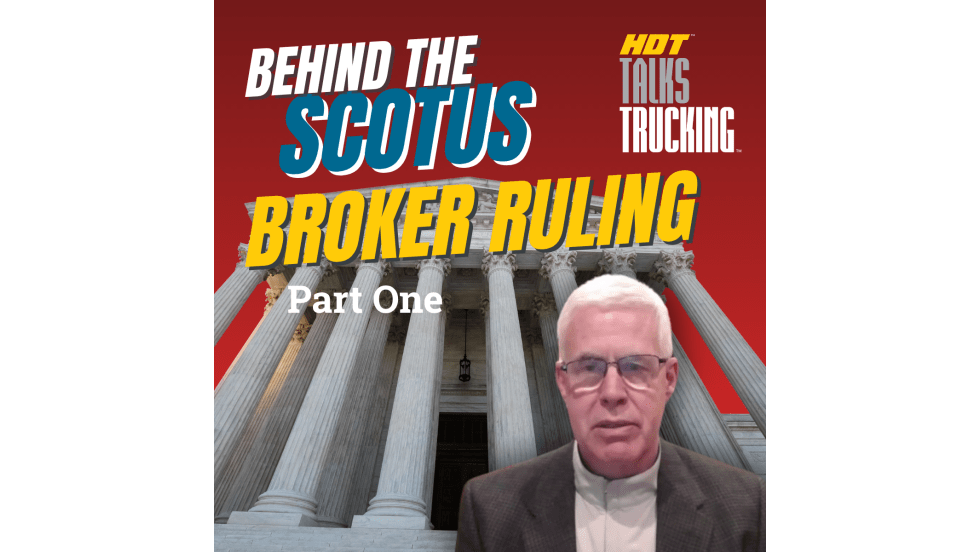
What Trucking Fleets and Brokers Need to Know About This Supreme Court Case
In May, the U.S. Supreme Court ruled that freight brokers can be held liable for damages if a truck they have contracted with is involved in an accident. Listen as this transportation attorney breaks down the ruling and its implications for the trucking industry.
Read More →
The Trucking Industry’s Threat Intelligence Gap
The trucking industry has no shortage of cybersecurity reports and cargo crime statistics. What it lacks is timely, operational intelligence that fleets can actually use.
Read More →
Truck Crash Rates Are Down. So Why Do Insurance Costs Keep Rising?
ATRI’s latest research points to litigation, social inflation, and soaring claims costs as key drivers behind record-high liability premiums for trucking fleets. But there are things motor carriers can do.
Read More →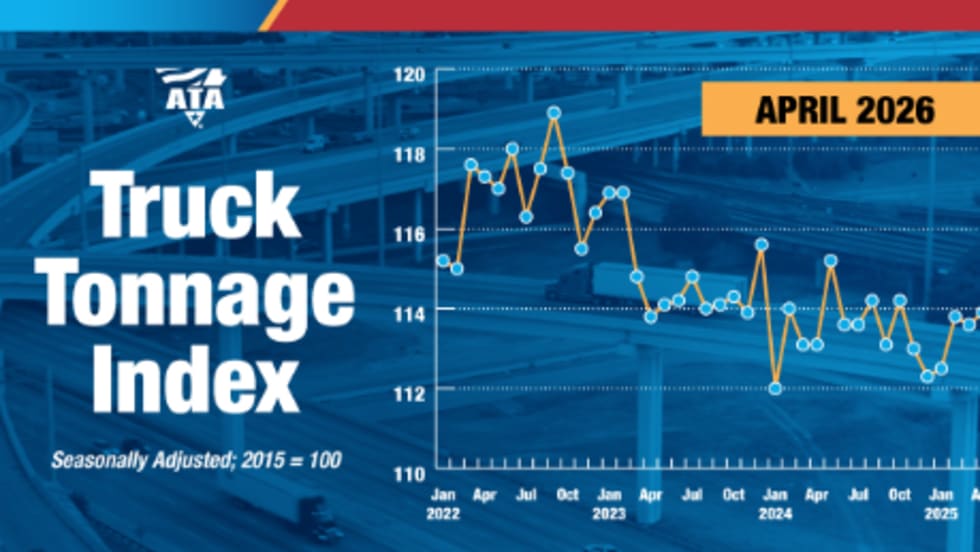
ATA Truck Tonnage Holds Steady in April at Highest Levels Since 2022
ATA’s For-Hire Truck Tonnage Index was unchanged in April after a strong March gain, with freight volumes remaining at their highest levels since late 2022.
Read More →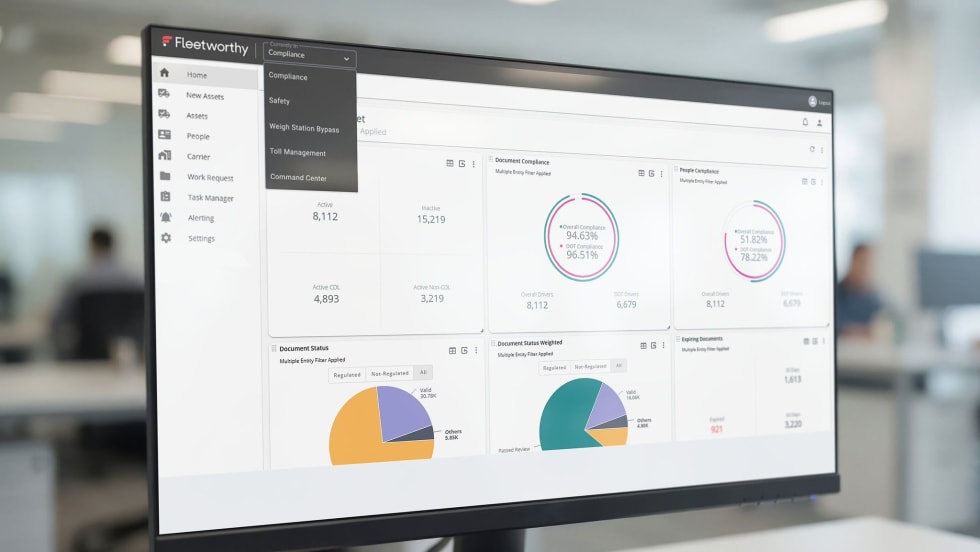
Fleetworthy Launches Connected Platform for Fleet Readiness Across Safety and Compliance, Toll Management, and Weigh Station Bypass
Fleetworthy has unveiled three major product launches it says mark a new era in fleet readiness.
Read More →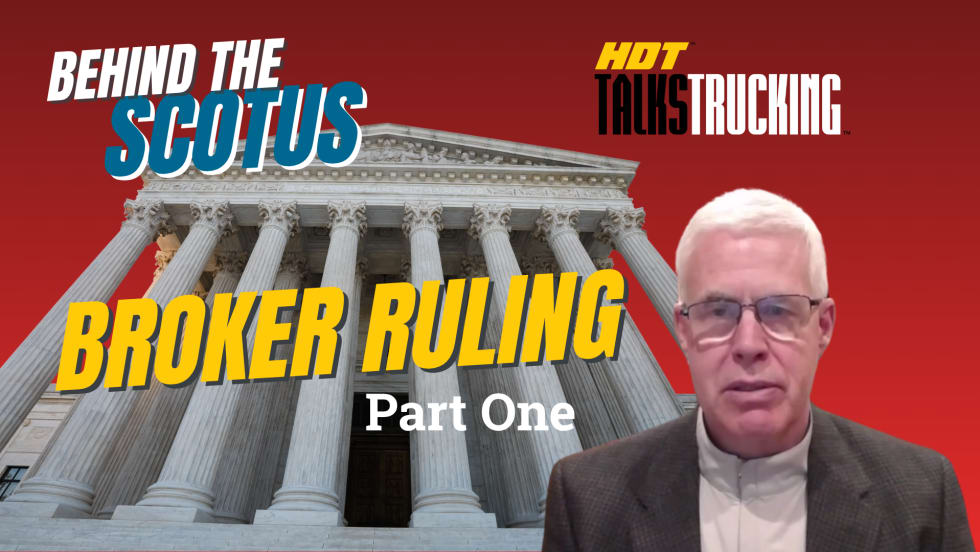
Behind the SCOTUS Broker Ruling Part 1
Transportation attorney Greg Feary breaks down the recent Supreme Court decision that brokers can be held liable for damages in truck accidents and what it means for the trucking industry going forward.
Read More →