




Intelligent Transpo Roadmap Stresses Long-Term Thinking on Funding
Among the numerous recommendations laid out in a public-policy roadmap issued on Feb. 8 by the Intelligent Transportation Society of America, is a call to a potentially leverage a “tax overhaul” to fund new transportation infrastructure.

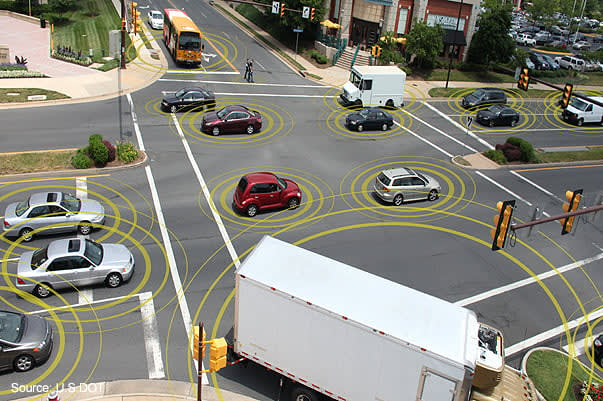
Image: U.S. Dept. of Transportation

Among the numerous recommendations laid out in a public-policy roadmap issued on Feb. 8 by the Intelligent Transportation Society of America, is a call to a potentially leverage a “tax overhaul” to fund new transportation infrastructure.
The expansive document covers a range of policy arenas that impact the research and deployment of intelligent transportation— aka “mobility”—technologies. These include everything from robotics and automation to artificial intelligence and cloud computing.
ITS America said the related issues in play include “looking for new and long-term funding and financing options around much needed transportation investment” along with cybersecurity/privacy, easing the transition to automated and connected vehicles, increasing integration of technologies that improve the operational life and efficiency of road networks, and “energizing new business models of passenger and freight mobility.”
Specific to transportation funding, the roadmap seeks to:
Promote Innovative Models in Transportation Funding, Finance, Partnerships and Performance Measures. “Address potential use of a tax overhaul to fund new and long-term transportation infrastructure and systems with a focus on technology-driven mobility investments.”
Increase Overall Investments in Transportation with a Greater Focus on Technology. “Support new and long-term sustainable funding and financing in transportation infrastructure that expand technology-driven mobility investments and preserves the broad ITS eligibilities under the Fixing America’s Surface Transportation Act (FAST Act) to fund technology capital projects and operations and maintenance. Advocate for flexible policies regarding Federal/State/Local matching requirements (e.g., 100% Federal funding upfront for technology-driven mobility infrastructure investments).”
Encourage Federal Funding Flexibility and New Funding Mechanisms. Advocate for flexible policies regarding Federal/State matching requirements (e.g., 100% Federal funding upfront with a back-end match by Locals/State for continuing operations) and other implementation provisions in the FAST Act and any new infrastructure bill related to the deployment of smart technology for communities.”
Identify Innovation Champions at the Local Level and Educate on the Tools for Experimentation. “Encourage communities to allow Chief Technology Officers or other appropriate officials to use ‘Other Transaction Authority,’ pilot programs, and similar programs to bypass onerous, time-consuming procurement procedures. Encourage the FHWA to enable better flexibility in the States by using performance level conditions measures instead of the traditional measures. Examine Federal restrictions on sole sourcing. Study means to add flexibility to communities (e.g. States, Cities, MPOs, etc.).”
Support Proposals that Integrate Federal “Smart Communities” Programs and Provide Resources Where Appropriate. “Support legislative efforts that would improve coordination of ‘smart community’ programs across the Federal government. Provide State and Local governments with technical assistance and resources to help foster the deployment of smart community technologies. Support STEM education and training required for the development and operation of smart communities. Support the necessary R&D to enhance the functionality—including cybersecurity and privacy protections—of smart community technologies.”
“This roadmap provides Federal, State, and Local policymakers with the tools to capitalize on this innovation— from automated vehicles to highways and traffic lights that communicate in real time with drivers on the road,” said ITS America President and CEO Regina Hopper. “Now is the time to jumpstart the economy and save thousands of lives per year.”
ITS America stated that in the year ahead, it will “urge President Trump and Congress to build out transportation infrastructure by including roadmap recommendations in upcoming infrastructure proposals.”
"It's time for Congress and the Administration to work together to facilitate the implementation of modern, innovation-driven transportation policies that will result in safer, more reliable and efficient mobility, helping to save lives across the country,” noted Jill Ingrassia, immediate past chairman of ITS America and managing director of Government Relations and Traffic Safety Advocacy at AAA.
More Fleet Management

Trimble’s New AI Agent Takes Aim at Fleet Back-Office Busywork
Arc Agent works across Trimble TMS products to automate repetitive tasks such as freight orders, maintenance, invoices, fuel costs and more.
Read More →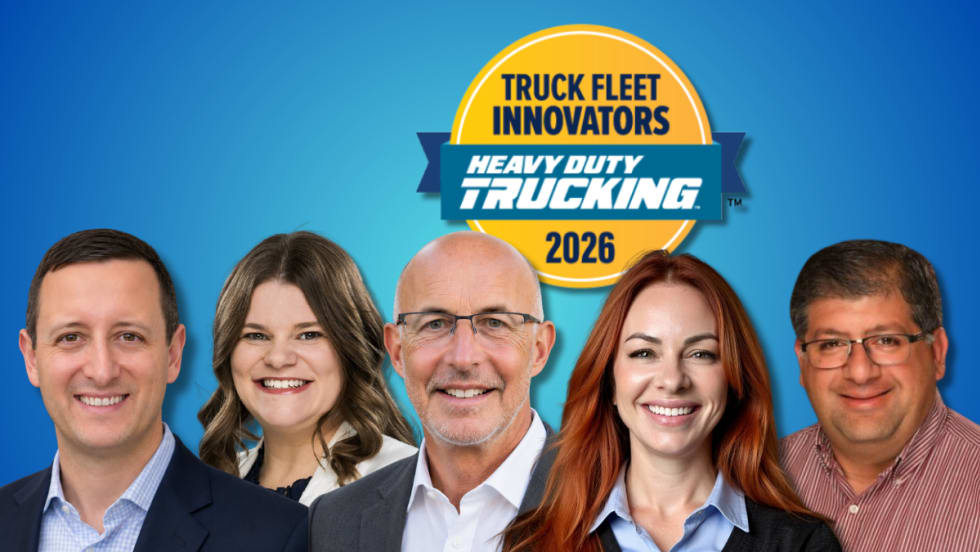
How HDT’s 2026 Truck Fleet Innovators Are Rethinking Fleet Operations
Meet five trucking leaders who are challenging assumptions, solving operational problems, and putting innovative ideas to work.
Read More →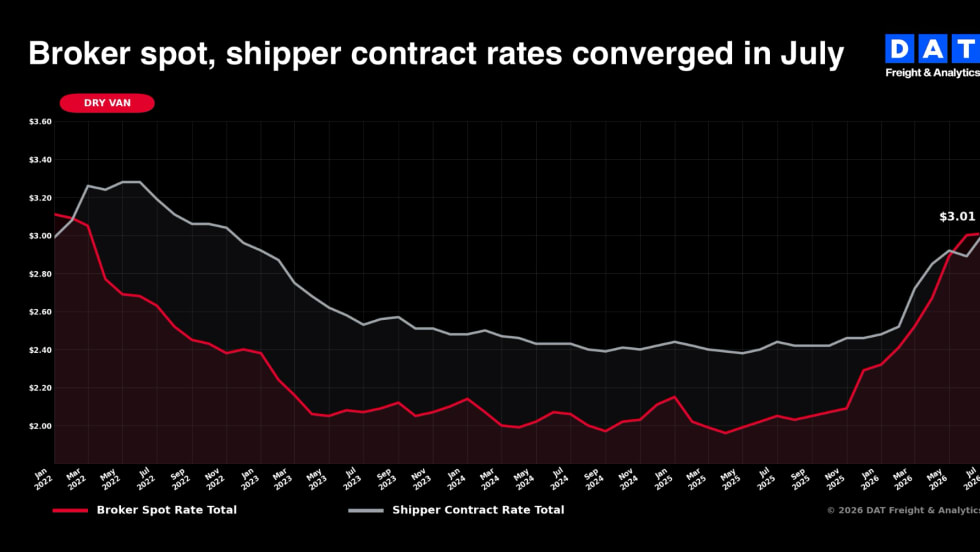
Tight Trucking Capacity Pushes Rates Higher Even as Freight Volumes Fall
“Spot rates moving ahead of contract rates have historically signaled a tightening market, but we haven’t seen a capacity-driven market quite like this one,” said DAT's Dean Croke.
Read More →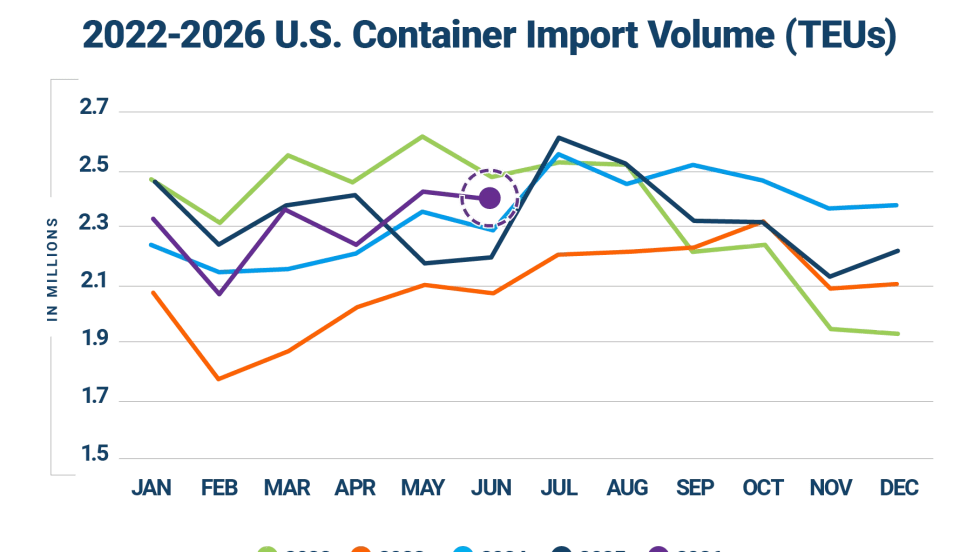
Import Cargo’s Early Peak Season is Winding Down
There was an early start to peak season this year at the nation's gateway ports, as retailers brought in merchandise ahead of tariff changes in late July and responded to other supply chain uncertainties,
Read More →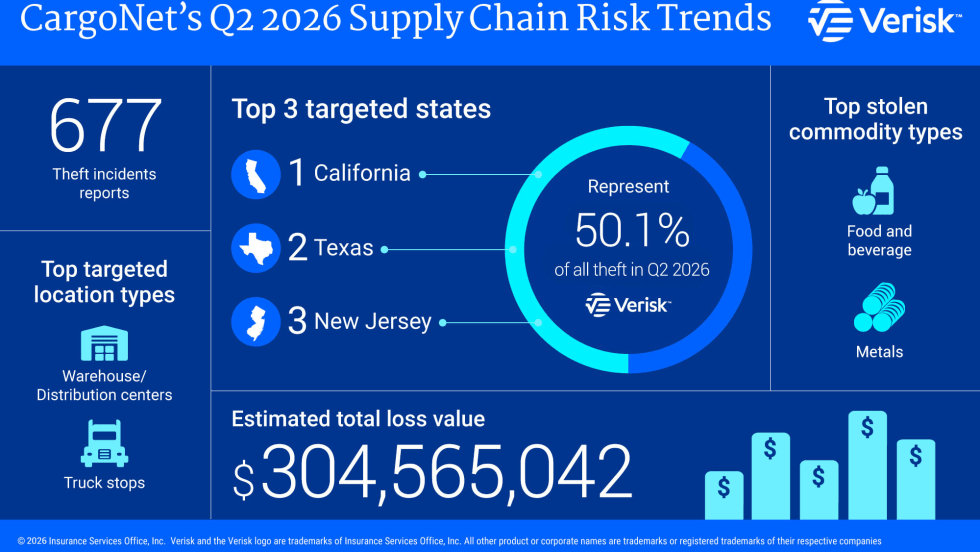
Fewer Cargo Thefts, Bigger Losses: Criminals Target Higher-Value Loads
CargoNet says organized theft rings are stealing fewer shipments but choosing more valuable freight, including metals and technology, resulting in record losses.
Read More →
How Innovative Trucking Leaders Turn Change Into an Advantage
As the pace of change accelerates in trucking, the fleets that adapt best have more than the latest technology. They have cultures that embrace improvement.
Read More →
Freight Broker Bonds Just Got Harder to Get. Here's What That Means for Your Fleet.
When it gets harder for a freight broker to prove they are financially sound, the ones who cannot clear that bar get pushed out of the market. And those are exactly the brokers who used to leave motor carriers holding the bag.
Read More →
Long-Awaited Canadian Border Bridge to Open in Detroit
For trucking, the bridge opening should offer immediate improvements in efficiency and reliability, with new customs facilities, expanded inspection capacity, and direct freeway-to-freeway connections.
Read More →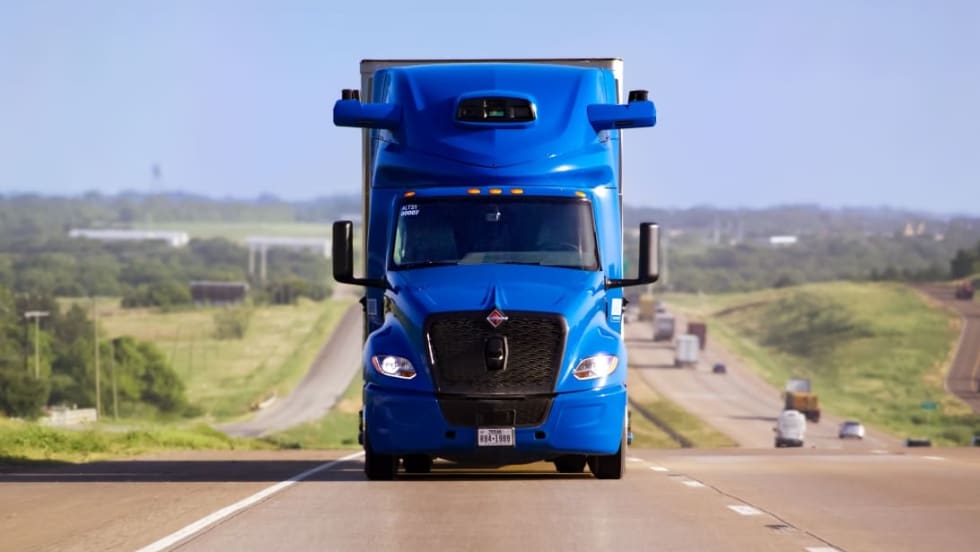
Aurora Rolls Out Next Generation of Driverless Trucks for Commercial Freight
Aurora's latest autonomous trucks it's rolling out with International feature lower-cost hardware designed for a million miles as the company expands commercial driverless freight operations across the U.S. Sun Belt.
Read More →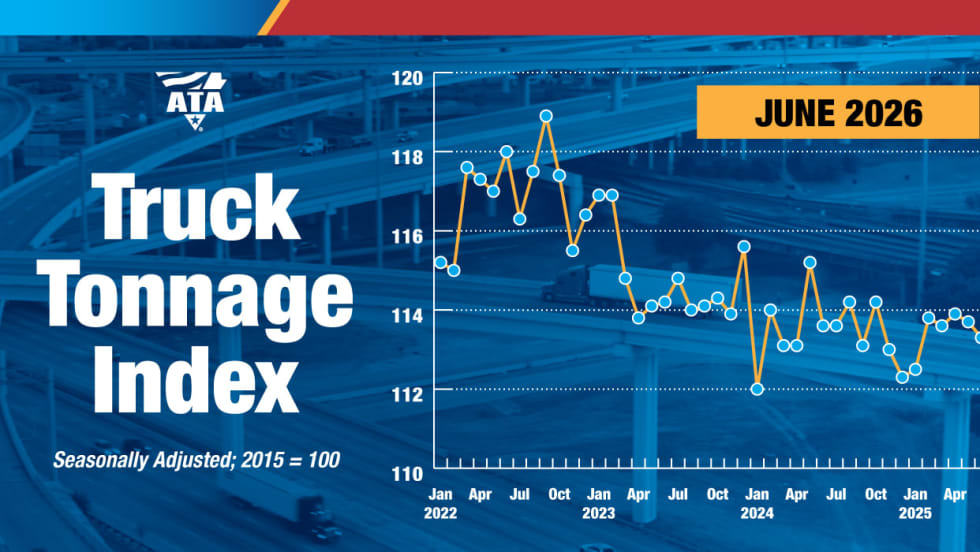
Freight Tonnage Down, Rates up, as Lower Capacity Powers Trucking Recovery
The recovery from the freight recession continues to be driven by reduction in capacity rather than by increased demand.
Read More →