




A study by the Insurance Institute for Highway Safety says cameras that help catch drivers who run red lights may also prevent collisions.
Red light cameras, used in 40-plus cities in the U.S., are triggered when someone runs a red light. The camera takes a photo of the license plate, and the owner of the car is sent a citation. Some truckers have complained that because of the length of their rigs and the shortness of some yellow lights, they could enter the intersection just as the light is turning yellow and be nabbed by a red-light camera unfairly.
The study focused on Oxnard, Calif., which installed cameras at 11 of its 125 intersections in 1997. The study found the number of collisions in the city went down 7 percent, and crashes resulting in injuries dropped 29 percent. Front-into-side collisions, the crash type most closely associated with red light running, dropped 32 percent overall, and those with injuries 68 percent.
An earlier study by the institute found that red light running dropped by about 40 percent in Oxnard and in Fairfax, Va., after camera enforcement began.
"These results represent more than a single city's success story," says the institute. "They represent solid evidence that red light camera enforcement will reduce crashes at U.S. intersections. Earlier studies showed that cameras reduce the offense of red light running by about 40 percent. But except for a few studies conducted in Australia, there had been little research on how the reduced numbers of violations translated into fewer crashes."
The institute notes that the number of violations dropped at intersections both with and without the cameras. "This has changed the way drivers behave with regard to red light running, and now we can document how this behavior change is reducing crashes and injuries," said the institute's senior transportation engineer, Richard Retting.
Nine states (California, Colorado, Delaware, Hawaii, Maryland, New York, North Carolina, Oregon, and Virginia) and the District of Columbia have laws either granting the use of cameras statewide or allowing them in specific communities.
Insurance Industry Says Red-Light Cameras Improve Safety
A study by the Insurance Institute for Highway Safety says cameras that help catch drivers who run red lights may also prevent collisions
More Safety & Compliance
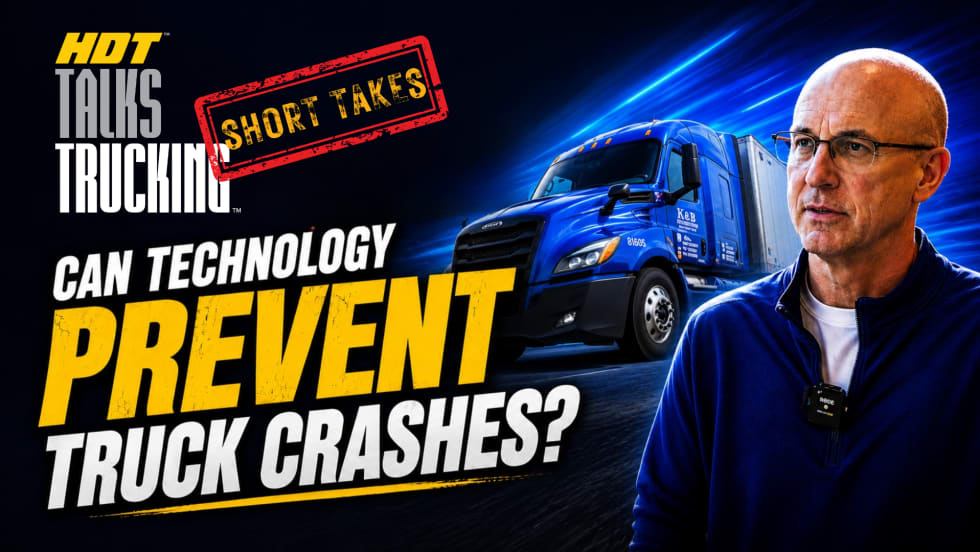
The Truck Safety Tech K&B Transportation Says Is Making a Difference [Watch]
Can technology help prevent truck crashes? In this HDT Talks Trucking Short Takes episode, K&B Transportation explains how it’s using cameras, speed management tools, cellphone-blocking technology, and other systems to improve safety and reduce risk across its fleet.
Read More →
Listen: Inside Modern Fleet Safety: AI, Cameras & Speed Control at K&B Transportation
Fleet safety is evolving fast—and technology is at the center of it. Learn how a former commercial vehicle enforcement officer turned director of safety at K&B Transportation is embracing real-world safety technology.
Read More →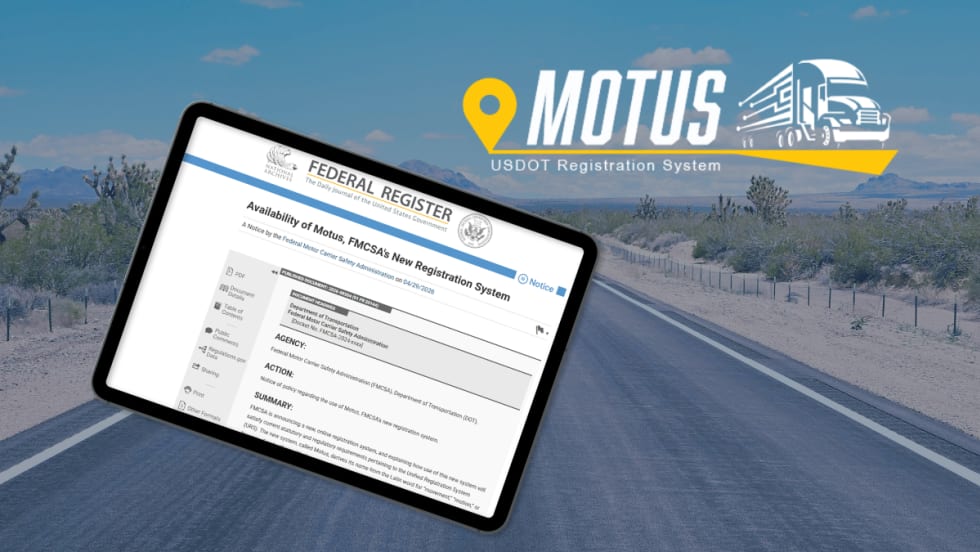
FMCSA’s Motus System Is Coming. What Fleets Need to Know Now
FMCSA's long-awaited registration system promises a single portal — and tighter fraud controls. And there are steps you need to take by May 14.
Read More →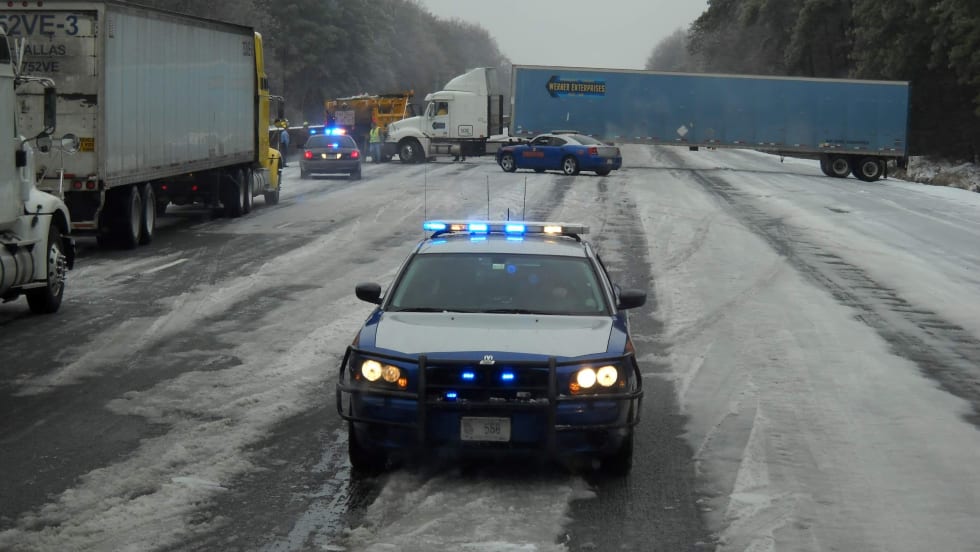
Avoiding Winter Pileups: Don’t Become the Next Link in the Crash-Chain
Winter roadway “pileups” aren’t one crash — they’re a chain reaction. Here’s what triggers them, how truck drivers can spot the danger early, and what to do if you're suddenly trapped in the mess.
Read More →
Nominations Open for HDT Truck Fleet Innovators 2026
Heavy Duty Trucking is searching for forward-looking leaders at trucking fleets as nominations for HDT’s Truck Fleet Innovators 2026. Deadline is May 15.
Read More →
Freightliner Expands Detroit Assurance with New Intersection and Turning Safety Tech
Detroit’s next-generation ABA6 safety system adds cross-traffic detection and enhanced side guard assist with left-turn protection, targeting high-risk urban scenarios.
Read More →
'Beyond Compliance,' Regulations, Driver Coaching on ATRI’s 2026 Research List
The American Transportation Research Institute will examine driver coaching, regulatory impacts — including the "Beyond Compliance" concept —and weather disruptions that shape trucking operations.
Read More →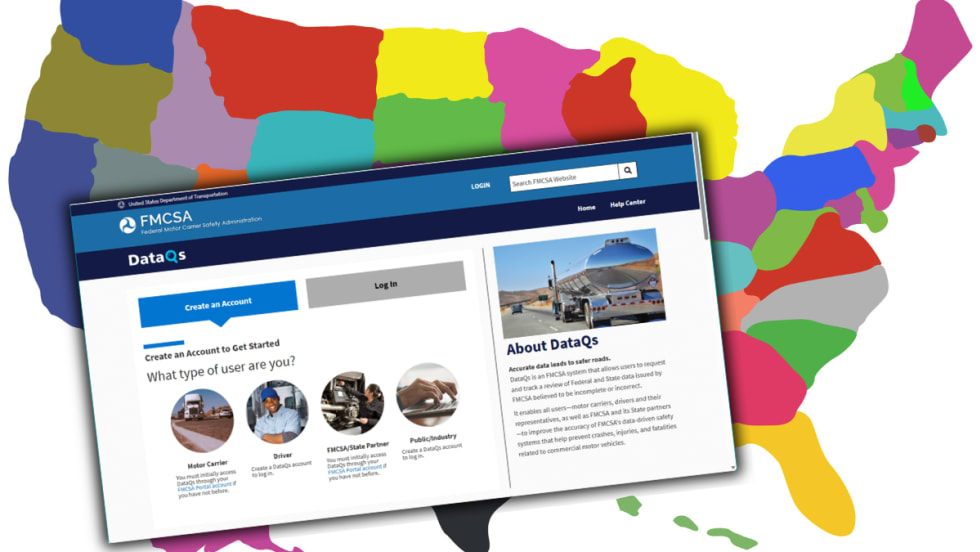
FMCSA Revamps DataQs to Improve Fairness, Speed of Reviews
New requirements add firm deadlines and independent review steps, addressing long-standing complaints about inconsistent rulings and slow response times.
Read More →
FMCSA Extends Paper Medical Card Exemption … Again
Five states still aren't ready to accept commercial driver medical exam information directly from the medical examiner's registry.
Read More →
HDT Honors the Best New Products of 2025 at TMC [Photos]
Heavy Duty Trucking's Top 20 Products awards recognize the best new products and technologies. Check out the award presentations at the 2026 Technology & Maintenance Council annual meeting.
Read More →