




Insurance Company Takes Sides in the Hazmat Rules Debate
Aon Corp. a provider of risk management and insurance services has jumped into the public debate on the value of new federal rules that require hazmat drivers to be fingerprinte
Aon Corp. a provider of risk management and insurance services has jumped into the public debate on the value of new federal rules that require hazmat drivers to be fingerprinted
and go through background checks.
The program went into effect Tuesday.
“While some in the industry squabble about the new requirements, David Mitchell, director of risk control, Aon Risk Service's trucking group, explains that the Department of Homeland Security and the Transportation Security Agency have simply raised the security bar,” AON said in a press release.
"It's like getting a good physical exam. Several years ago, the physician checked weight, blood pressure and sugar levels. Now, there are several more checks, not all of which are totally appreciated by the patient. Physicians have 'raised the bar.' The good news is that we are living longer and healthier lives – even if we don't appreciate the bar being raised," Mitchell said.
The new rules have been criticized by a number of trucking groups and individuals, most recently by Dan England, president of C.R. England Inc. testifying on behalf of the ATA at hearings of the U.S. House of Representatives Subcommittee on Highways, Transit and Pipelines.
“ATA believes the objective can be accomplished through means that do not unnecessarily discourage drivers from hauling hazardous materials by virtue of inconvenient processes and inflated costs,” England said before the House subcommittee on May 11.
Mitchell acknowledges that the application process may become more complex and costly, but notes most companies are helping drivers handle additional costs.
"The costs will rise, but most companies are helping drivers pay for at least some of the costs. A recent survey of a nationwide trucking association showed that almost 30% of fleets are paying for the licensing cost, and another 30% are paying part of the cost."
More Drivers
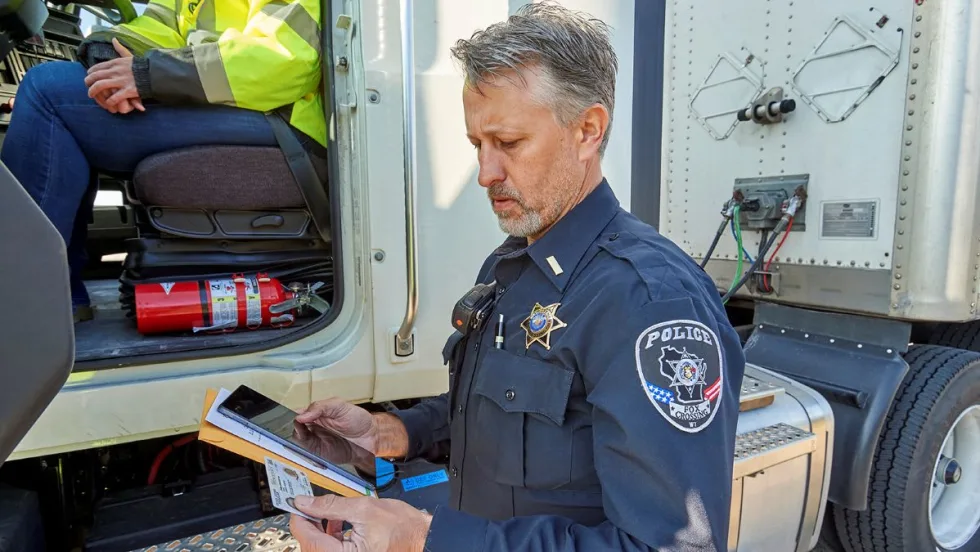
When Language Stops the Truck: The Return of ELP Out-of-Service Orders
English language proficiency rules for commercial drivers aren’t new, but renewed out-of-service enforcement has raised the stakes. Here’s what carriers need to know before a driver reaches a roadside inspection.
Read More →
Samsara Launches Custom AI Agent Builder
Agent Studio lets fleets create AI tools for hours-of-service monitoring, reporting and driver support, including agents that communicate by phone.
Read More →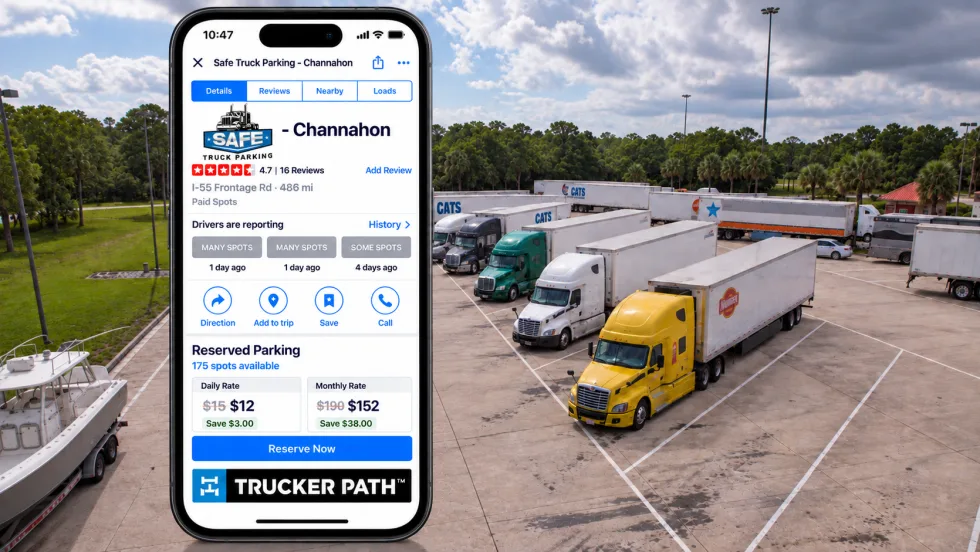
Trucker Path Expands Reserved Parking Network
Trucker Path has added close to 6,000 more truck parking spaces to its Trucker Path Reserved Parking Network with the addition of Safe Truck Parking.
Read More →
EEOC Sues Texas Trucking Company Over Driver Age Limits
The agency says Trancasa USA rejected applicants over 65 and applied tougher driving-record standards to those over 60.
Read More →
Nussbaum, Roehl Announce Second Driver Pay Increase This Year
This year has seen a swath of major truck driver pay increases as freight capacity has tightened.
Read More →
From One Generation to the Next: How Mentorship Builds Safer Truck Drivers
After three decades in trucking, Harold Perry shares what he's learned about driver safety, mentorship, and helping the next generation build confidence behind the wheel.
Read More →
Truck Drivers Need More Than Another Alert
Fleets have more visibility into truck health, safety events, and driver activity than ever. The next challenge is turning all that information into useful guidance for the person who has to decide what to do next.
Read More →
FMCSA Removes 110 Truck Driver Training Schools from Certified ELDT List
Federal regulators also are targeting more than 160 additional training providers and launching a nationwide audit of third-party CDL skills testers as part of a broader crackdown on trucking fraud.
Read More →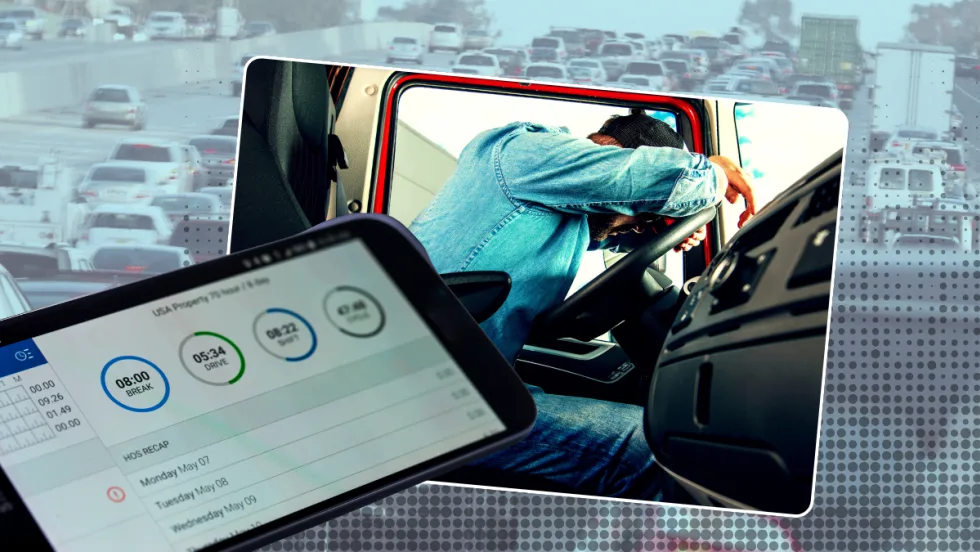
Hours of Service Pilot Programs: FMCSA Readies for 2027 Rollout
Two pilot programs could eventually reshape hours-of-service rules, giving truck drivers options to pause their 14-hour clock or use longer split sleeper rest periods.
Read More →
Medical Cards, English Proficiency Reshape Roadcheck Violations
Medical-card violations jumped to the top of the driver out-of-service list during CVSA’s 2026 International Roadcheck, while English-language proficiency violations appeared among the leading violations for the first time.
Read More →