




Initiative Launched to Speed Cargo Moves at the Ports of L.A. and Long Beach
PierPass Inc. announced an initiative to reduce the number of transaction problems when trucks pick up or deliver containers at the marine terminals at the Ports of Los Angeles and Long Beach. These problems, exceptions from normal processes that result in the issuance of "trouble tickets," lead to substantial delays in container movement through the terminals
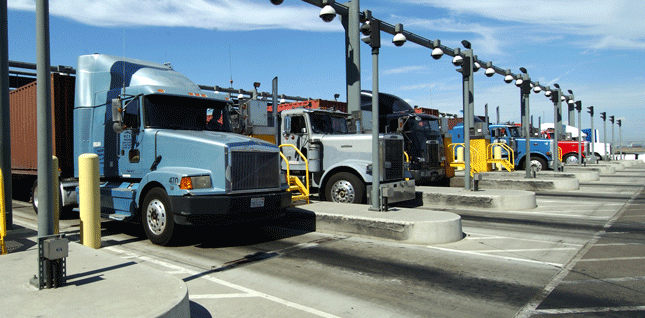
Trucks entering the terminal gates at the Port of Los Angeles. Photo Curtesy of the Port of Los Angeles.
PierPass Inc. announced an initiative to reduce the number of transaction problems when trucks pick up or deliver containers at the marine terminals at the Ports of Los Angeles and Long Beach.
These problems, exceptions from normal processes that result in the issuance of "trouble tickets," lead to substantial delays in container movement through the terminals.
About 5% of all transactions at terminals in the United States result in trouble tickets, which on average add about an hour to the "turn time," the amount of time a truck spends at a terminal, according to a 2011 report by the National Cooperative Freight Research Program.
The report found that "exceptions from normal processes [are] a major source of delay and cost. The long 'tails' on the turn time data, in particular, suggest that around 5% of the cases consume much more than the 'normal' time and expense." Most trouble tickets can be prevented through better communications before a truck arrives at the terminal gates, the NCFRP report said.
PierPass has surveyed terminal operators at the Long Beach and Los Angeles ports to determine the most common causes of trouble tickets, and found that the situation at the two adjacent ports matches what NCFRP found nationally.
While trouble tickets are caused by a range of issues, they usually are tied to inaccurate or incomplete information about an import container delivery or an export booking problem. When issued a trouble ticket, the driver typically has to go to a "trouble window" or office to get the issue resolved. This results in delays for customers and truckers and higher costs for terminal operators.
"Trucking companies can avoid most trouble tickets and reduce turn times by checking with the terminals' Web-based systems before coming to the terminal gates," said Bruce Wargo, president of PierPass. "These systems let dispatchers confirm the availability of import containers or the validity of export booking numbers before prematurely sending a truck to the terminal."
PierPass is distributing a fact sheet to trucking companies with tips on trouble-ticket prevention. PierPass today also released a video [www.youtube.com/watch?v=aqxtJGeKNb4&feature=youtu.be] in which stakeholders representing terminal operators, trucking companies and the ports discuss approaches to reducing trouble tickets.
The NCFRP report found that better procedures by trucking companies can reduce trouble tickets. It noted that less experienced drivers and trucking companies that don't regularly serve the ports generate exceptions and receive trouble tickets much more frequently than regular port visitors. Drivers making an average of at least one call per day had only a 3% trouble ticket rate, vs. 7.8% for those making less than one call per week, the report found.
At the APL Terminal in the Port of Los Angeles, the largest group of trouble tickets (34%) in July and August 2012 were issued when truckers arrived to pick up containers that were on hold. Containers can be put on hold for a variety of reasons including U.S. Customs release, agricultural inspection, and unpaid steamship charges or Traffic Mitigation Fees.
The second-largest group (20%) was due to the container number not matching the number on the bill of lading, which can also be checked online before delivering a container. In total, about 5% of all gate transactions - 2,500 in all - ended up at the trouble window. APL says 65% of all trouble tickets during that period could have been resolved before the truck came to the terminal.
In 2011, the Los Angeles and Long Beach ports, terminals and trucking community published the first comprehensive turn time study at the ports using GPS technology. It found that the median turn time inside the terminals during the period studied was 31 minutes per visit, and that 88% of trucks took less than 2 hours per visit. The study also found:
- The median time trucks spent in queue waiting to get into the gates was 20 minutes and the terminal time 31 minutes, for a total visit time.
- Some have implied that it is typical to wait three hours to get into a terminal. But the study showed that only 9% of queue waits were more than an hour.
- Only 3% of visits took three hours or more, including queue time and terminal time.
PierPass and its member terminal operators continue to offer night gate operations to address container demand and traffic mitigation.
Terminals are currently offering 55 OffPeak gates across 13 terminals, in addition to 65 daytime gates, for a total of 120 gates per week for cargo pickup and delivery.
More Fleet Management

American Trucking Associations Looks for a New Leader
ATA President and CEO Chris Spear abruptly left his job at the association on August 21, at a pivotal time for the trucking industry.
Read More →
Public Wi-Fi Cybersecurity Risks: How Truck Drivers and Fleets Can Protect Their Data
Public Wi-Fi can expose truck drivers and fleets to credential theft, malware, and other cyber threats. Here’s how to reduce the risk on the road.
Read More →
For Nicky Cupp, Fleet Innovation Starts With Frustration
HDT Truck Fleet Innovator Nicky Cupp turns everyday pain points at Fraley & Schilling into opportunities for better technology and smarter processes.
Read More →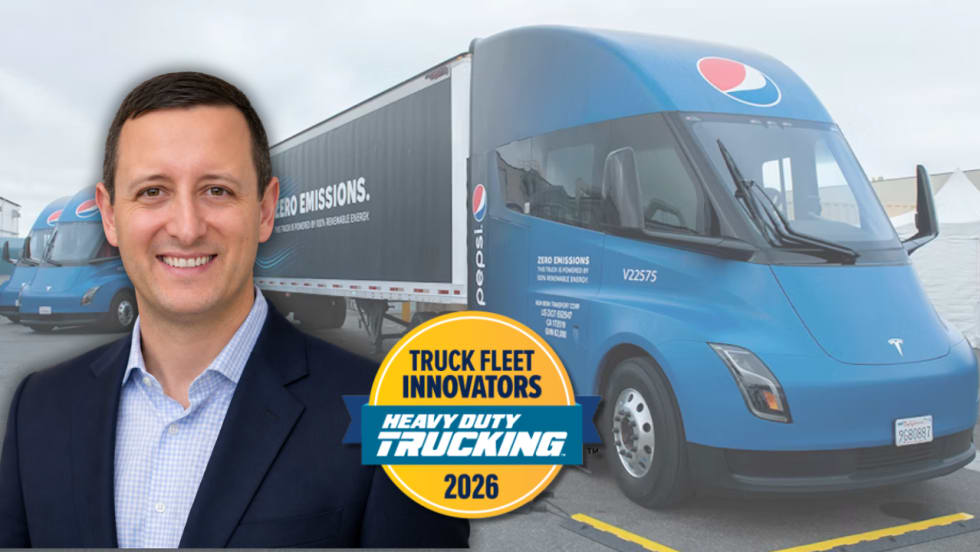
Adam Buttgenbach’s Approach to Electric Trucks: Start With Where They Fit
HDT Truck Fleet Innovator Adam Buttgenbach helped PepsiCo build one of North America’s largest EV fleets by focusing on where electric trucks make operational sense.
Read More →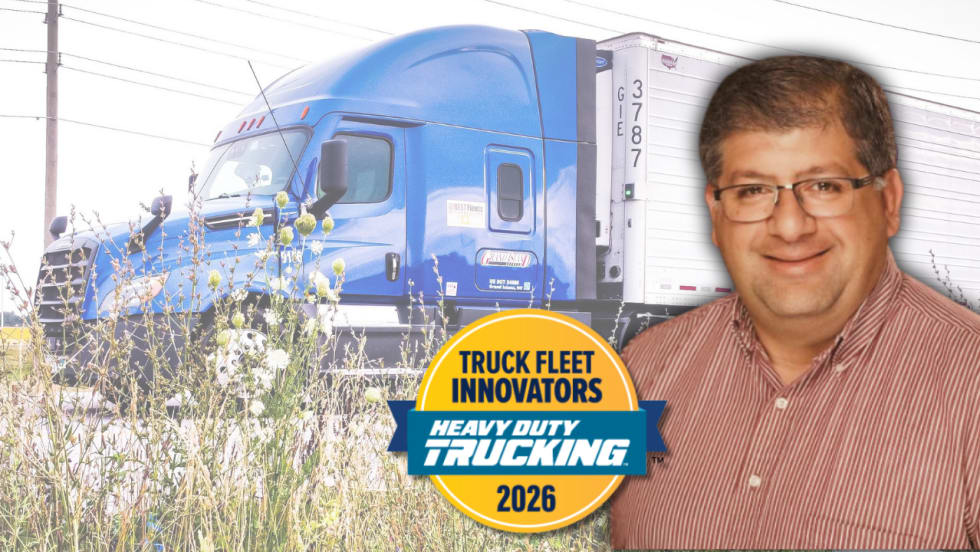
Deen Albert: Let Automation Do the Math, People Make the Decisions
HDT Truck Fleet Innovator Deen Albert makes sure people are still at the heart of operations at Grand Island Express, even while adopting artificial intelligence tools. AI-assisted dispatch helped boost revenue 25% with the same number of trucks.
Read More →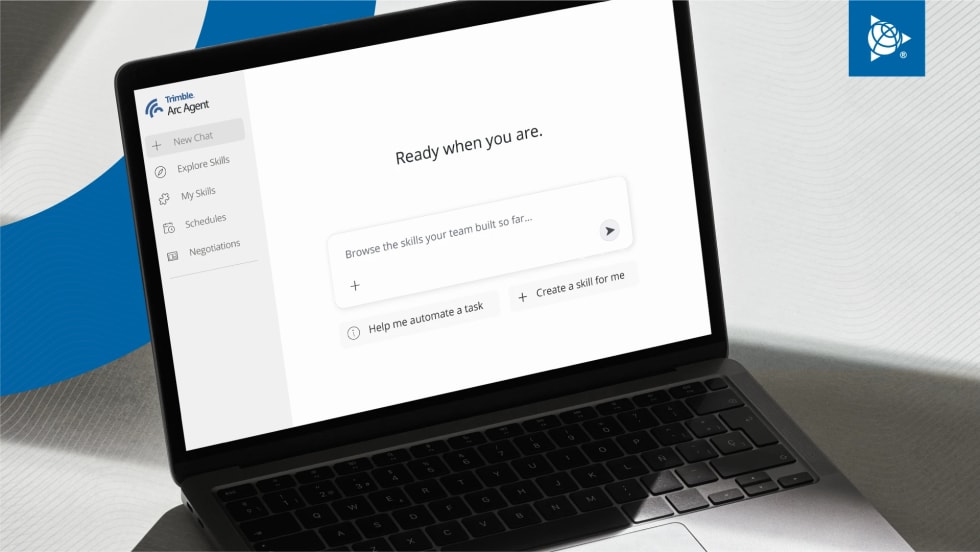
Trimble’s New AI Agent Takes Aim at Fleet Back-Office Busywork
Arc Agent works across Trimble TMS products to automate repetitive tasks such as freight orders, maintenance, invoices, fuel costs and more.
Read More →
How HDT’s 2026 Truck Fleet Innovators Are Rethinking Fleet Operations
Meet five trucking leaders who are challenging assumptions, solving operational problems, and putting innovative ideas to work.
Read More →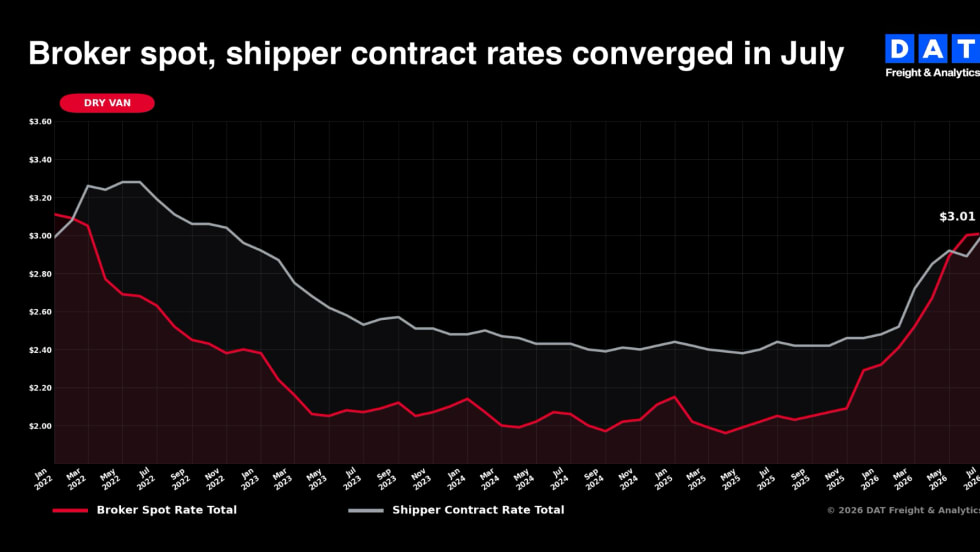
Tight Trucking Capacity Pushes Rates Higher Even as Freight Volumes Fall
“Spot rates moving ahead of contract rates have historically signaled a tightening market, but we haven’t seen a capacity-driven market quite like this one,” said DAT's Dean Croke.
Read More →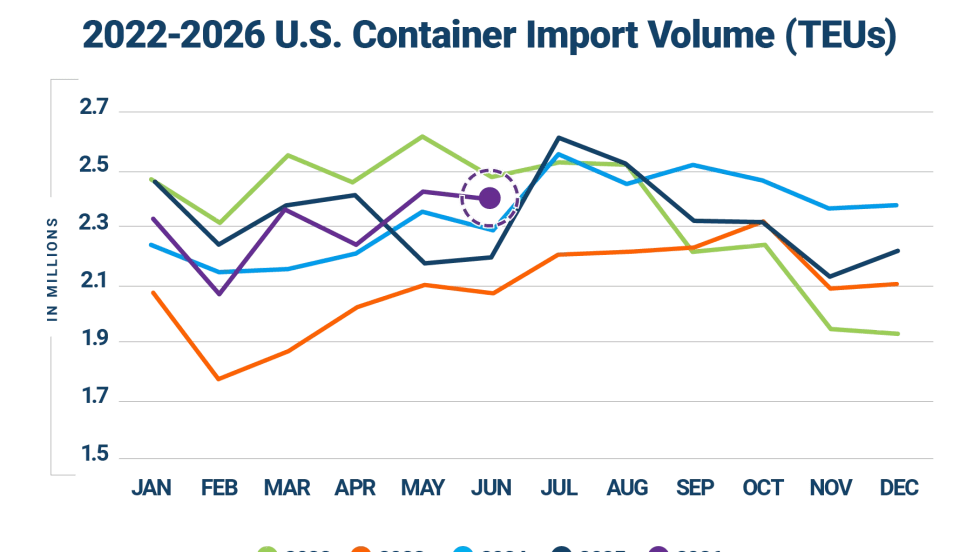
Import Cargo’s Early Peak Season is Winding Down
There was an early start to peak season this year at the nation's gateway ports, as retailers brought in merchandise ahead of tariff changes in late July and responded to other supply chain uncertainties,
Read More →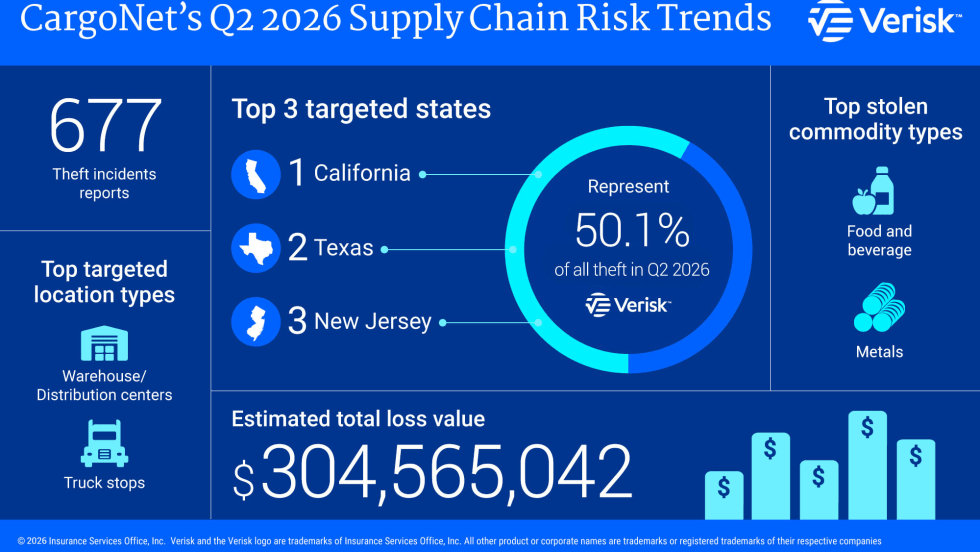
Fewer Cargo Thefts, Bigger Losses: Criminals Target Higher-Value Loads
CargoNet says organized theft rings are stealing fewer shipments but choosing more valuable freight, including metals and technology, resulting in record losses.
Read More →