




A shortage of parking spaces at Indiana rest stops is forcing many truckers to either park illegally along highway onramps or surpass the legal limit of 10 consecutive hours on the road, and according to Associated Press reports, it's creating problems between police and drivers.
"It's bad for us because we understand why they're doing it," Indiana State Police Sgt. Shana Kennedy told the AP. "Yes, it is against the law. But then there are a lot of accidents where the driver just zoned out. Then you start looking at the log book and it's obvious that the driver was overtired."
Drivers say the parking shortage exists nationwide, but is worse in northwest Indiana because it is between Indianapolis and Chicago. The Wolcott rest area sits about 40 miles northwest of Lafayette, and accommodates only 13 tractor-trailers on the northbound side and another 13 on the southbound side.
In 1999, the Indiana Department of Transportation opened rest areas that can park 430 commercial trucks in LaPorte County and more than 300 in Elkhart County. Indiana rest areas can currently accommodate a total of 1,100 parked trucks, but INDOT officials say there are no additional plans to expand rest areas in the northern part of the state.
Indiana Short on Truck Parking
A shortage of parking spaces at Indiana rest stops is forcing many truckers to either park illegally along highway onramps or surpass the legal limit of 10 consecutive hours on the road, and according to Associated Press reports, it's creating problems between police and drivers
More Drivers

Best Fleets to Drive For: Two Carriers Earn Overall Award for First Time
CarriersEdge announced the 2026 Best Fleets to Drive For overall winners, with Crawford Trucking, Fortigo Freight Services, and FTC Transportation receiving top awards.
Read More →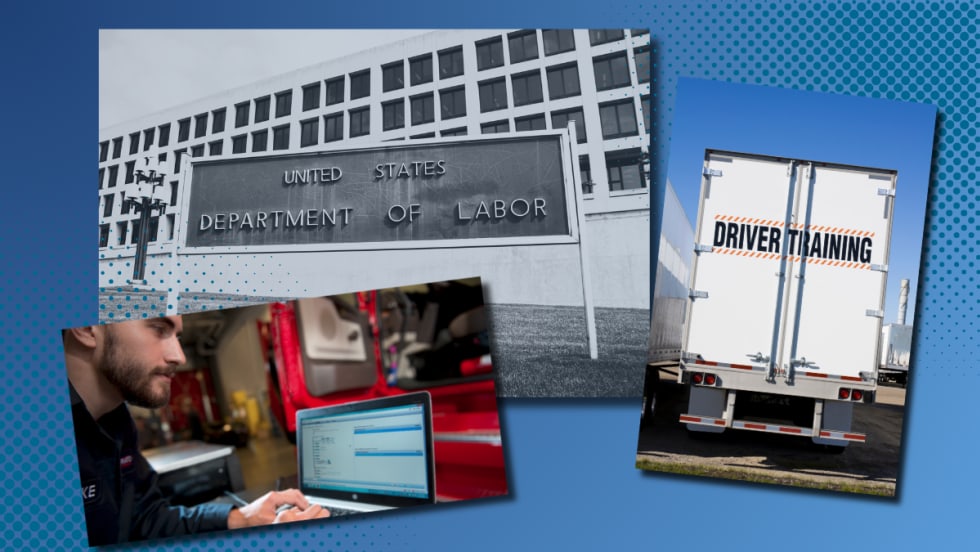
Federal Proposal Would Allow Pell Grants for Shorter-Term Job Training
The Department of Labor plans to expand Pell Grant eligibility to some shorter workforce training programs, a move the American Trucking Associations said will help strengthen commercial driver training schools and diesel technician training programs.
Read More →
Owner-Operator Model Gets Boost as DOL Proposes 2024 Independent Contractor Definition Reversal
For an industry that has watched this issue go back and forth for years, the independent contractor proposal marks the latest swing in the regulatory pendulum.
Read More →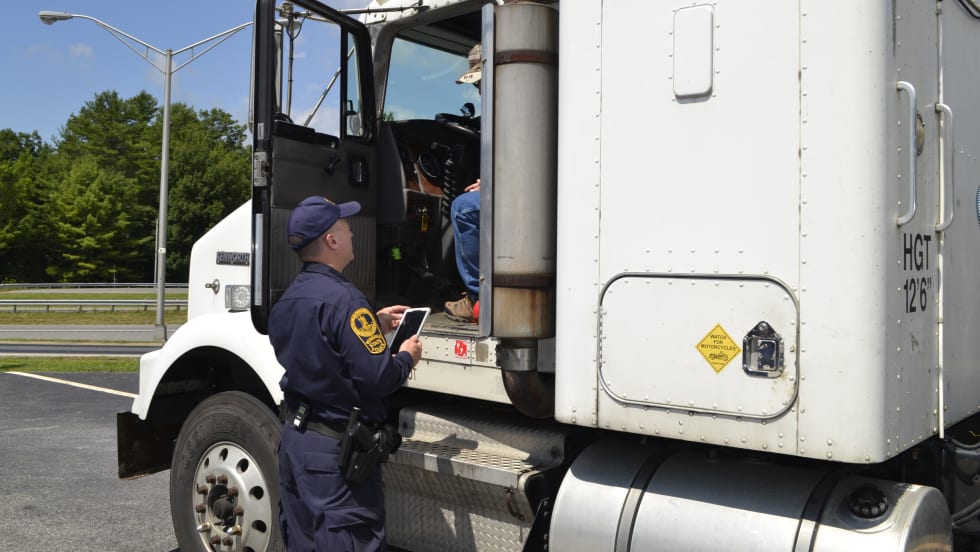
FMCSA Reinstates Field Warrior ELD to Registered Device List
One electronic logging device has been reinstated to the FMCSA's list of registered ELDs.
Read More →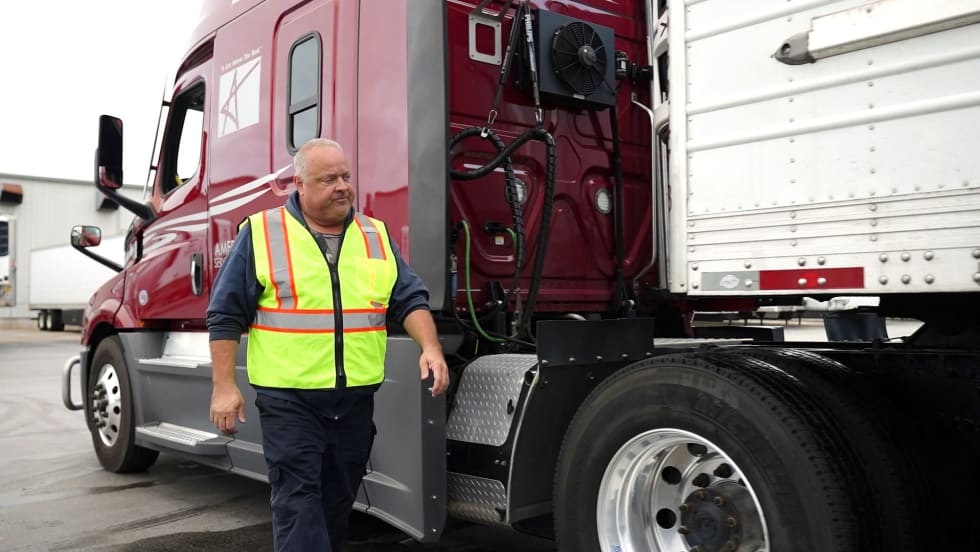
How One Company is Using Smart Suspension Technology to Reduce Driver Injuries and Improve Retention
America’s Service Line adopted Link’s SmartValve and ROI Cabmate systems to address whole-body vibration, repetitive strain, and driver turnover. The trucking fleet is already seeing measurable results.
Read More →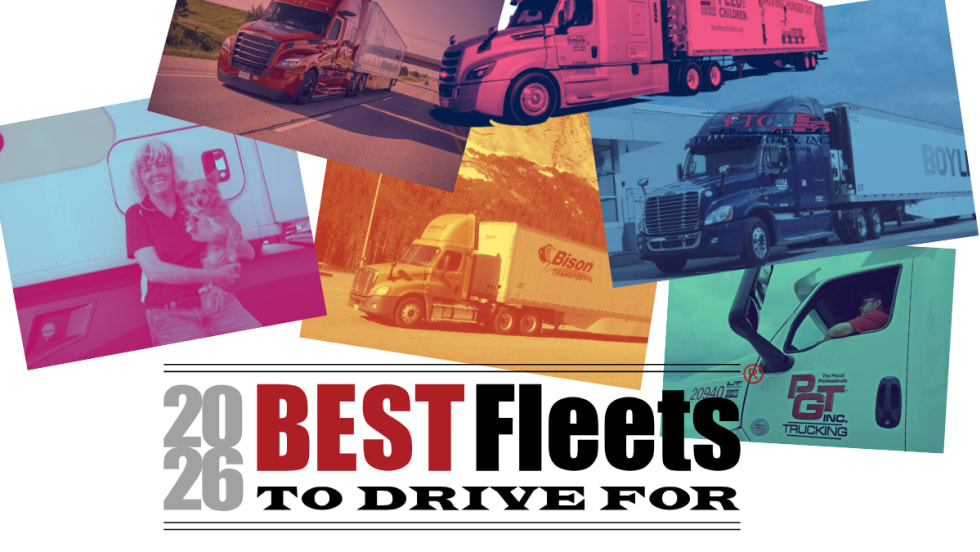
CarriersEdge Announces 2026 Best Fleets to Drive For
The 18th annual contest recognizing the best workplaces for truck drivers sees changes to Top 20, Hall of Fame
Read More →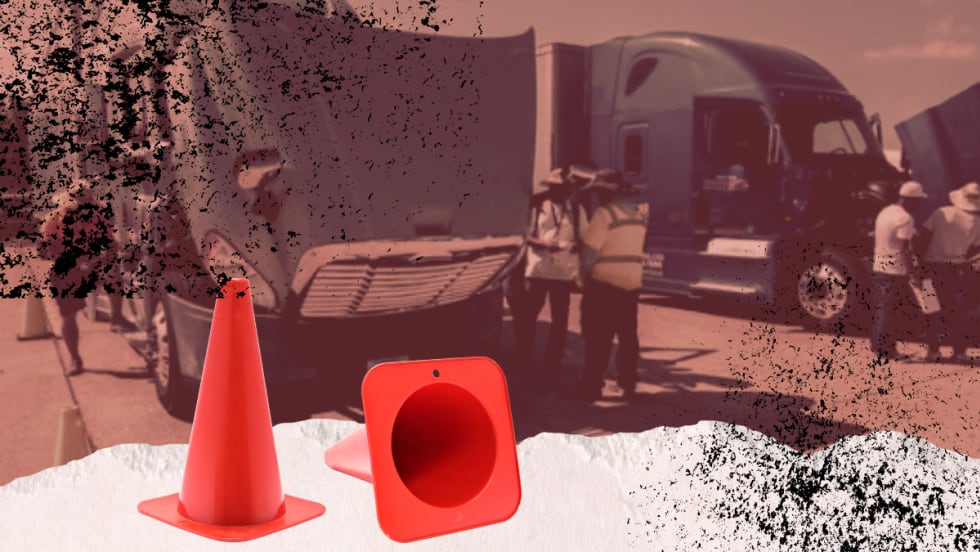
FMCSA Targets 550+ ‘Sham’ CDL Schools in Nationwide Sting Operation
The Federal Motor Carrier Safety Administration issued more than 550 notices of proposed removal to commercial driver training providers following a five-day nationwide enforcement sweep. Investigators cited unqualified instructors, improper training vehicles, and failure to meet federal and state requirements.
Read More →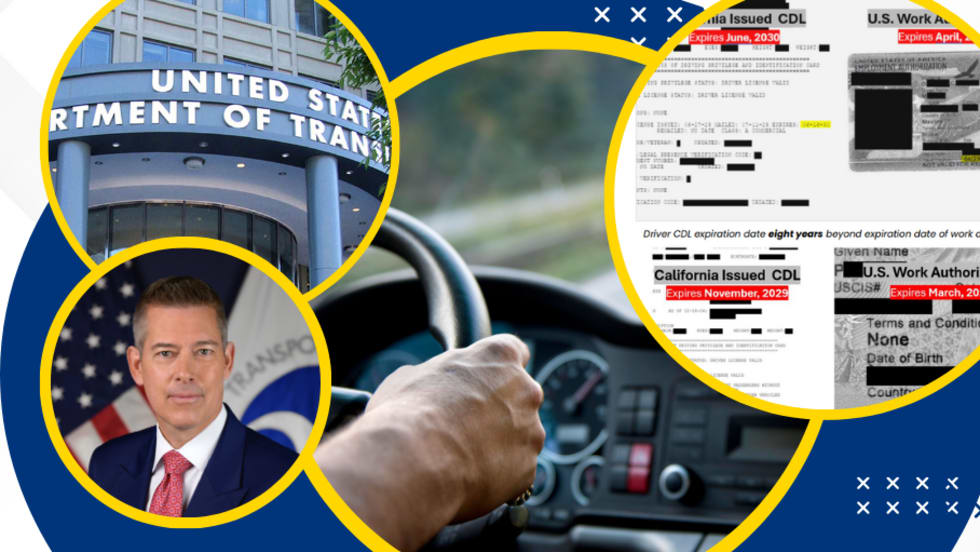
DOT Alleges Illinois Issued Illegal Non-Domiciled CDLs
Illinois is the latest state targeted and threatened with the loss of highway funding by the U.S. Department of Transportation in its review of states' non-domiciled CDL issuance procedures. The state is pushing back.
Read More →FMCSA Locks in Non-Domiciled CDL Restrictions
After a legal pause last fall, FMCSA has finalized its rule limiting non-domiciled commercial driver's licenses. The agency says the change closes a safety gap, and its revised economic analysis suggests workforce effects will be more gradual than first thought.
Read More →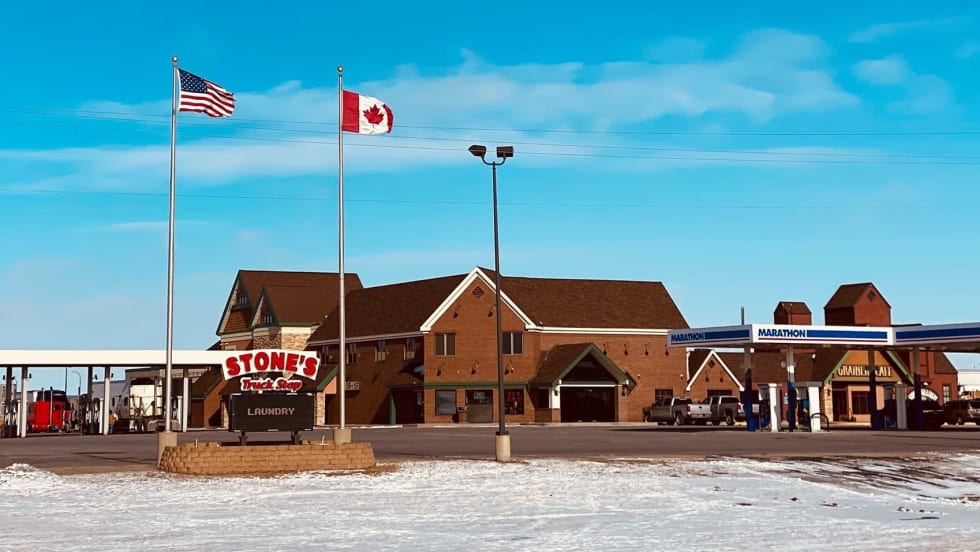
Trucker Path Names Top Truck Stops for 2026
Truck driver ratings reveal the best chain and independent truck stops in the country.
Read More →